The
Urbanization
within
United States
In geographic, economic, ecology
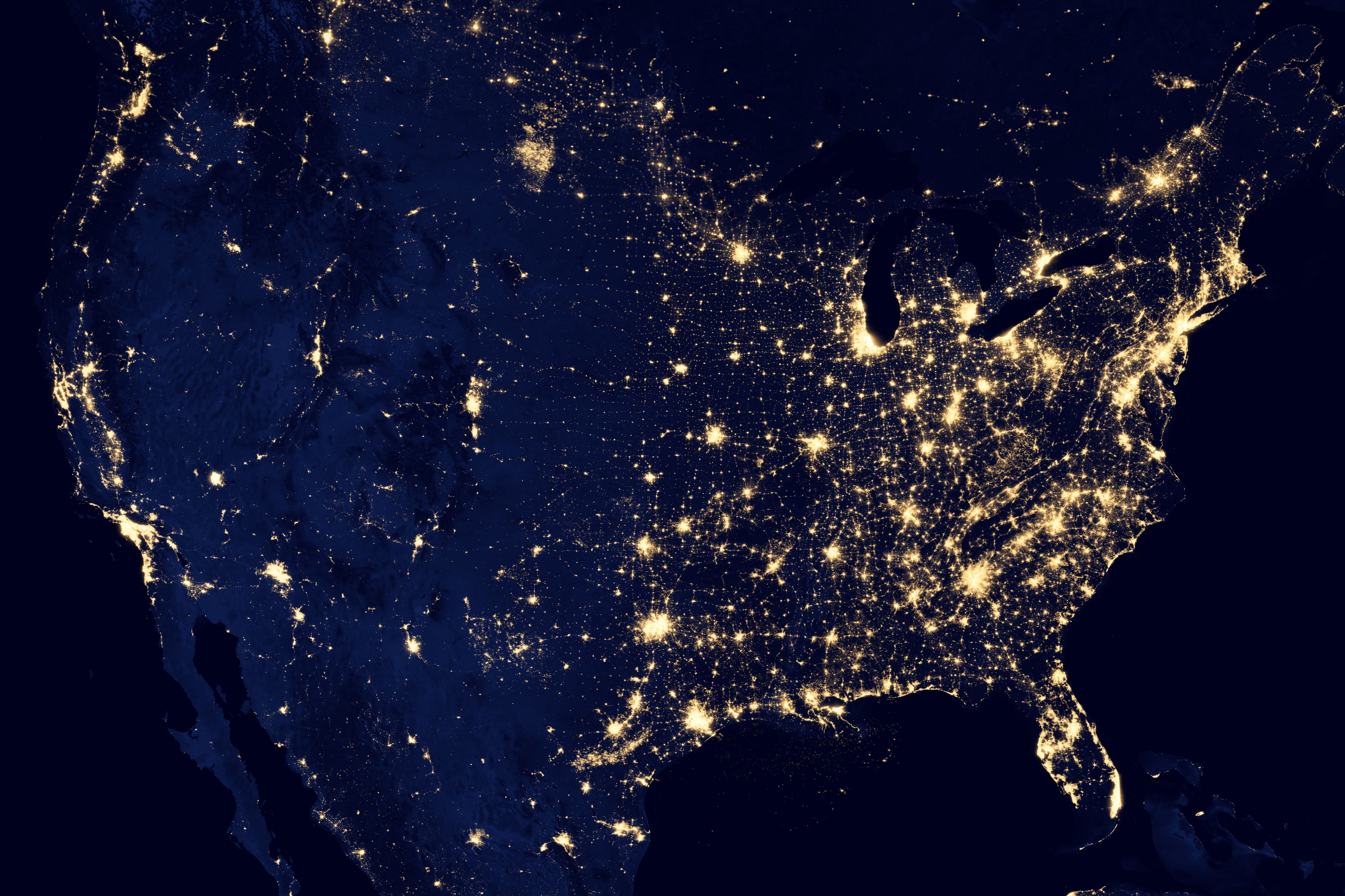
![NASA. (2012). City Lights of the United States 2012 [Photograph]. Retrieved from https://earthobservatory.nasa.gov/images/79800/city-lights-of-the-united-states-2012](./assets/ozYlrzudwY/dnb_united_states_lrg-4096x2730.jpg)

The Census Bureau’s urban-rural classification is a delineation of geographic areas, identifying both individual urban areas and the rural area of the nation. The Census Bureau’s urban areas represent densely developed territory, and encompass residential, commercial, and other non-residential urban land uses
To qualify as an urban area, the territory identified according to criteria must encompass at least 2,000 housing units or have a population of at least 5,000.
Bureau, U. C. (2023, September 26). Urban and rural. Census.gov. https://www.census.gov/programs-surveys/geography/guidance/geo-areas/urban-rural.html
The Change of Urban Population
from 2010
to 2020

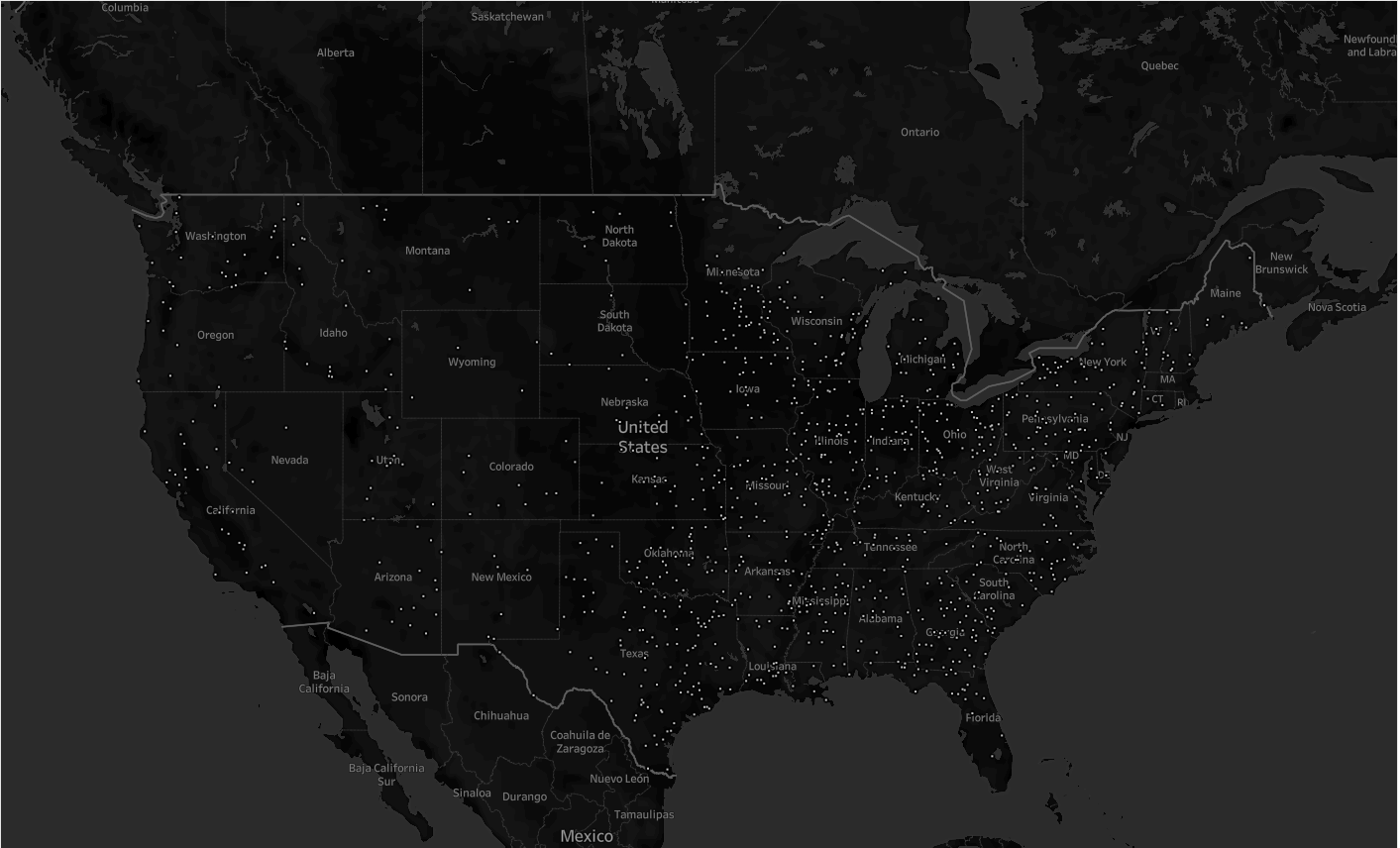

2010 Urban Area Housing
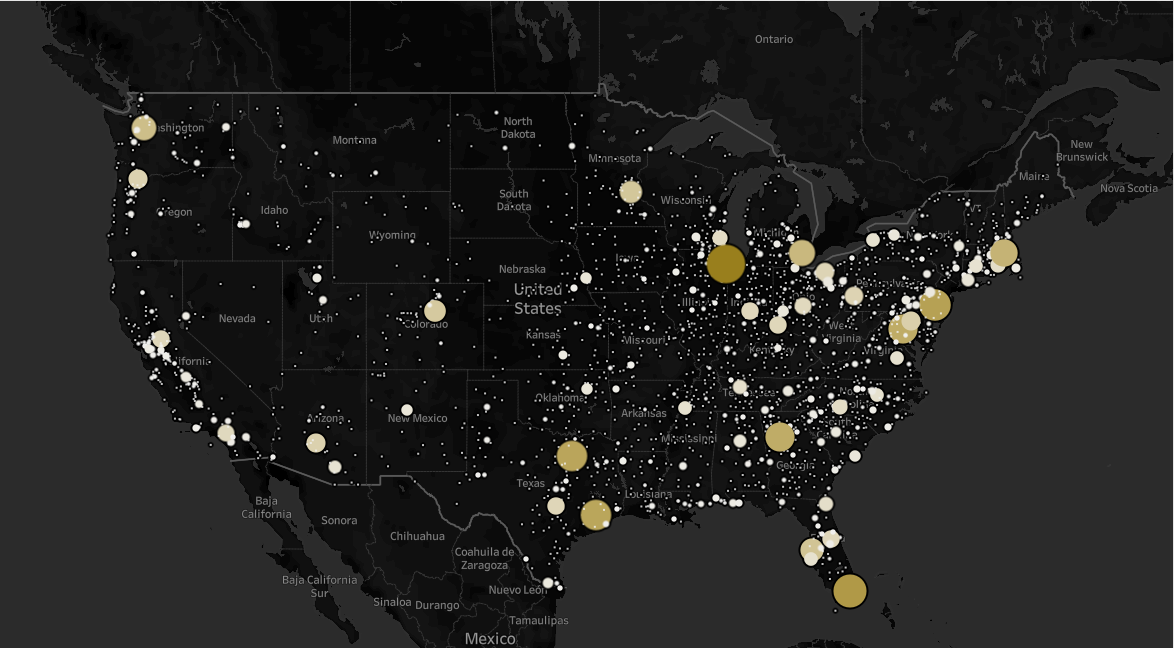
2020 Urban Area Housing
Between 2010 and 2020, the total urban population increased by 6.4% in the United States. However, the urban land area decreased by 2.4%. Resulting in a population density increase of 9%.
In 2020, the urbanization rate in the United States, Puerto Rico and Island Areas has reached a high level.
-
-
-
-
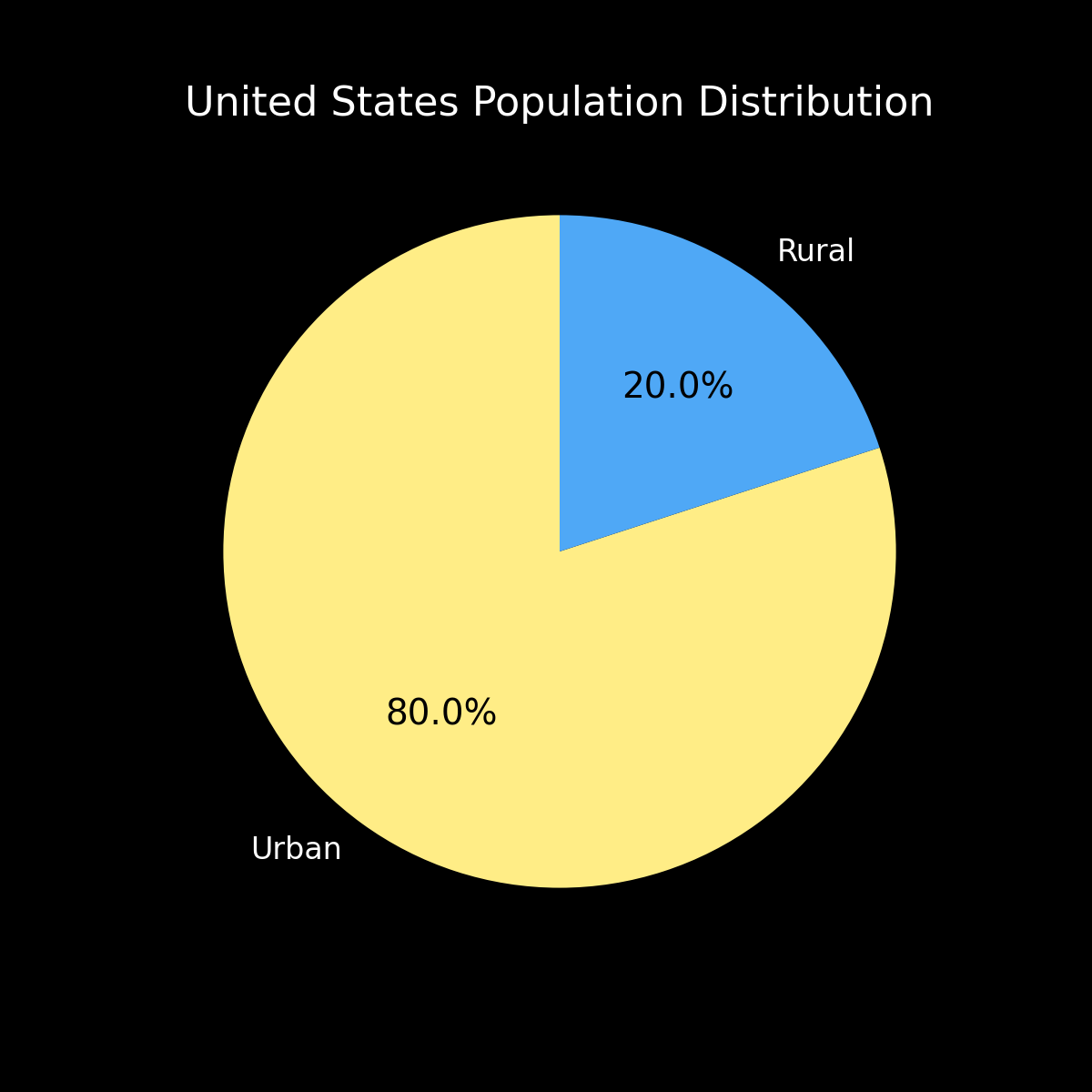
The total number of 2020 Census Urban Areas in the United States is 2,611. The total urban population has reached 265,149,207.
-
-
-
-
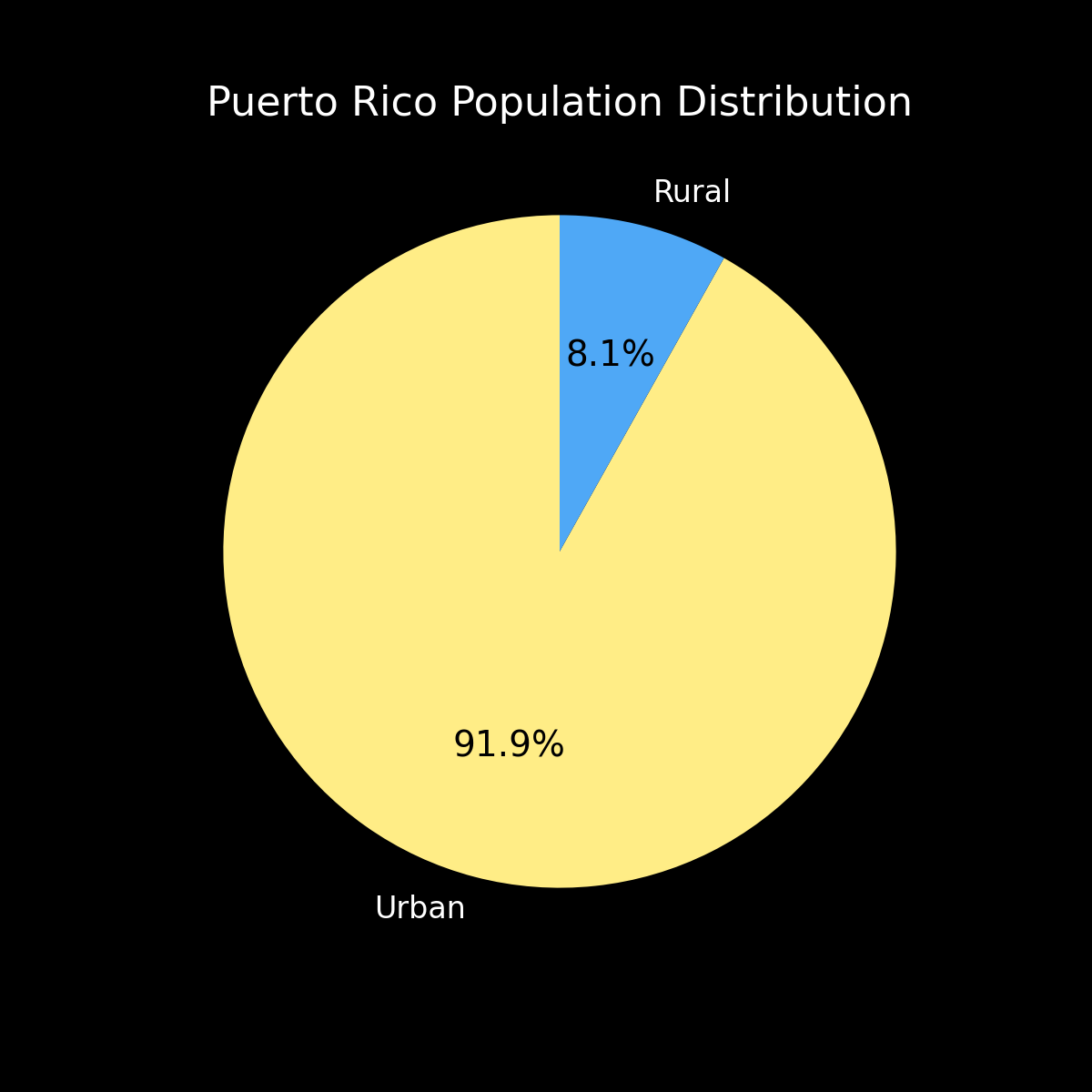
The total number of 2020 Census Urban Areas in Puerto Rico is 26. The total urban population percentage has reached 91.9%.
-
-
-
-
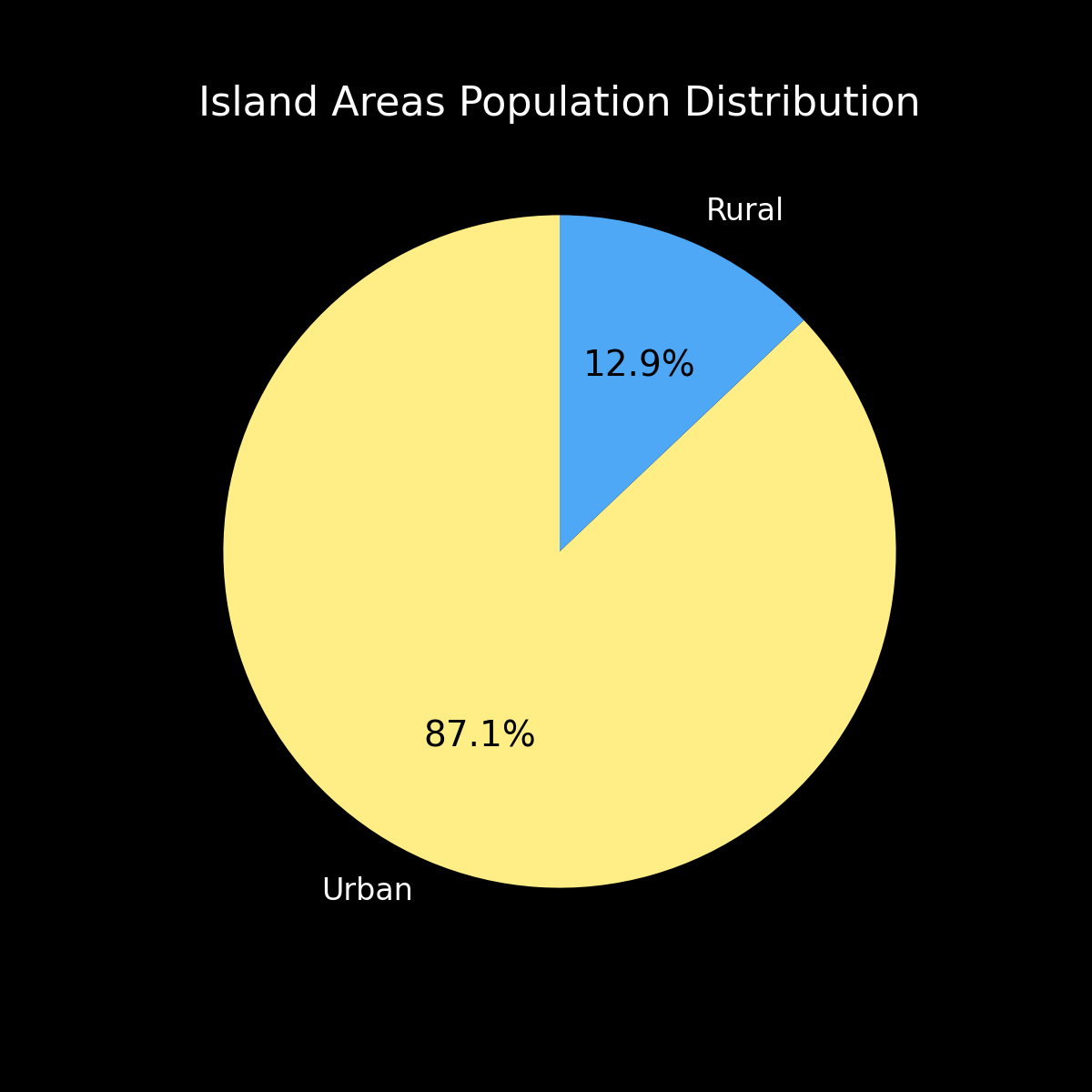
Even in the Island areas, the total number of 2020 Census Urban Areas has reached 7. The total urban population percentage has reached 87.1%.
-
-
Data from Bureau, U. C. (2023, June). 2020 Census Urban Areas Facts. Census.gov. https://www.census.gov/programs-surveys/geography/guidance/geo-areas/urban-rural/2020-ua-facts.html

Impact of Urbanization

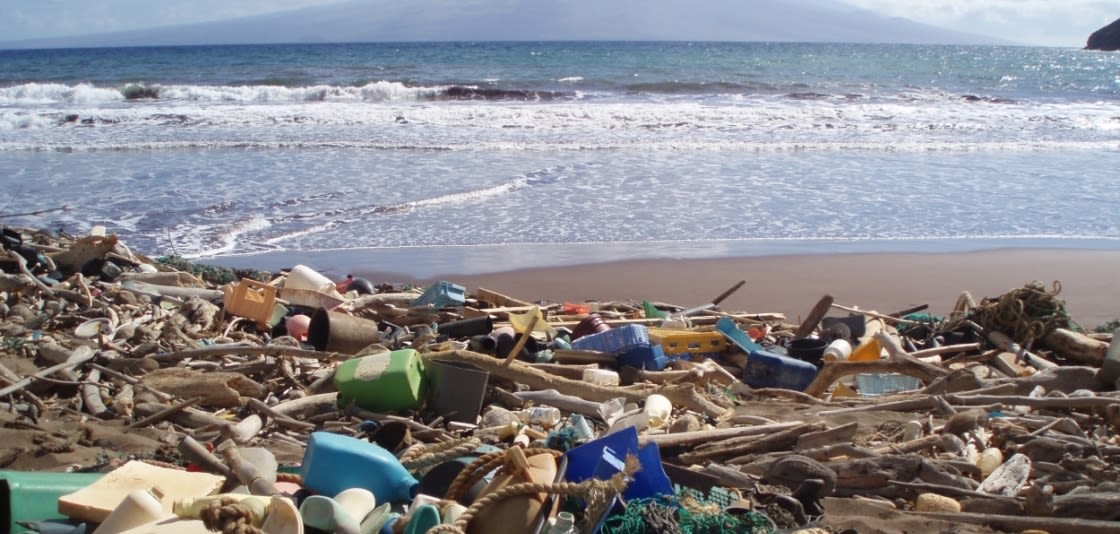
On a national scale, urbanization affects relatively little land cover, but it has a significant ecological footprint. Even small amounts of urban development can have large effects on stream ecosystems.
One example is the research about stream fish diversity conducted by Scott MC in 2006.

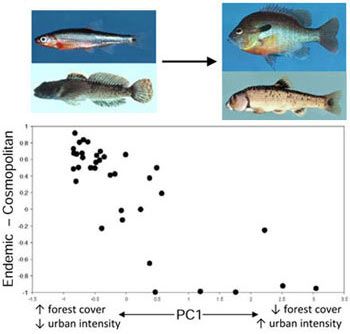
A graphical representation of urban intensity impact on species diversity. Scott MC. 2006. Winners and losers among stream fishes in relation to land use legacies and urban development in the southeastern US. Biological Conservation 127:301-309.
A graphical representation of urban intensity impact on species diversity. Scott MC. 2006. Winners and losers among stream fishes in relation to land use legacies and urban development in the southeastern US. Biological Conservation 127:301-309.
Sites with higher forest cover and lower urban intensity had more endemic taxa (e.g., fishes such as the Tennessee shiner and the mottled sculpin, above left), while sites with lower forest cover and higher urban intensity had more broadly distributed, generalist taxa (e.g., fishes such as the redbreast sunfish and central stoneroller, above right).
How to balance development & environment
From the picture, we can see that There's no distinct correlation between population and carbon footprint. Large cities like New York and Los Angeles only have a median carbon footprint. We can learn from those cities.
Los Angeles, through its Green New Deal, is taking a bold step towards a sustainable future. The city's plan focuses on leading the world toward a low-carbon, green-energy future. Key targets include achieving 100% renewable energy by 2045, recycling all wastewater, sourcing a significant portion of water locally, making all buildings net-zero carbon by 2050, electrifying all city buses, planting thousands of trees, creating numerous green jobs, and diverting all waste from landfills by 2050. Additionally, the plan involves innovative partnerships and initiatives, such as the Los Angeles Cooling Collaborative and bringing electric vehicles to all communities, which aim to improve public health and promote sustainable transportation.
In the case of New York City, the focus is on creating a sustainable urban environment that does not compromise the ability of future generations to meet their needs. The city's sustainability initiatives are grounded in the recognition of the interconnectedness of people, economic development, and the environment. Efforts include reducing air pollution and greenhouse gas emissions, ensuring drinkable water and breathable air, increasing the efficiency and reliability of the power system, and promoting healthy environments in buildings. New York City has also been making progress towards its sustainability goals, including having the cleanest air in the last 50 years, a significant reduction in greenhouse gas emissions, the near completion of a goal to plant a million new trees, and the cleanup of numerous brownfield properties for new development
Data acquired from GGMCF https://www.citycarbonfootprints.info/Moran,018) Carbon footprints of 13,000 cities. Environmental Research Letters DOI: 10.1088/1748-9326/aac72a.

Proposal

-
-
Q&A
-
-
-
-
Thank you :)
-
-
 Built with Shorthand