
We can't live without
technology today.
Social media has its role in our lives. It connects us to our loved ones, helps us build communities of people with similar interests, and allows us make new friends. But it has also created new problems for society.
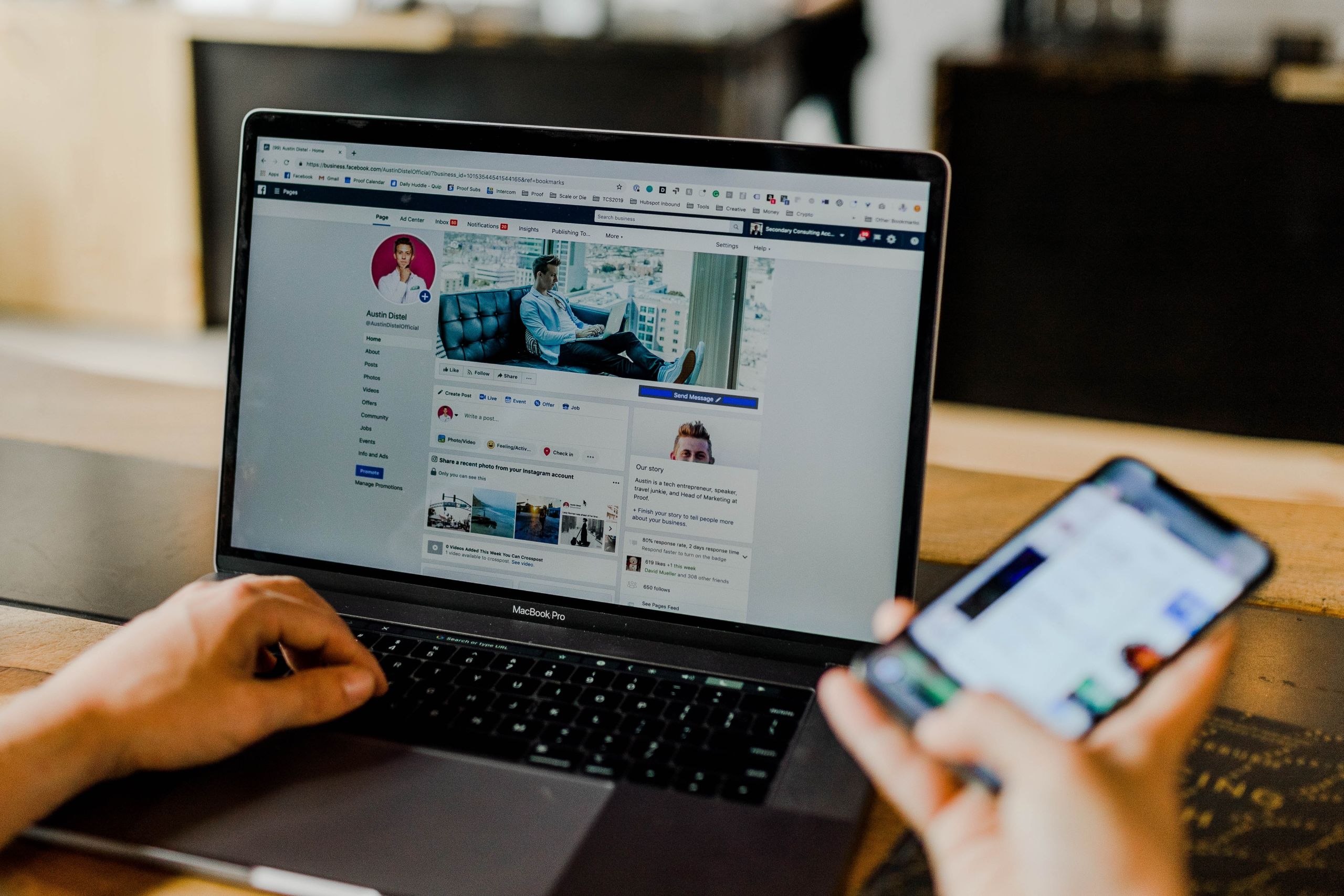

More than half of the world population
now use social media.
With the coronavirus pandemic, social distancing has led to many forming digital habits during the lockdown. We turn to social media platforms to stay connected and interact with friends and family.

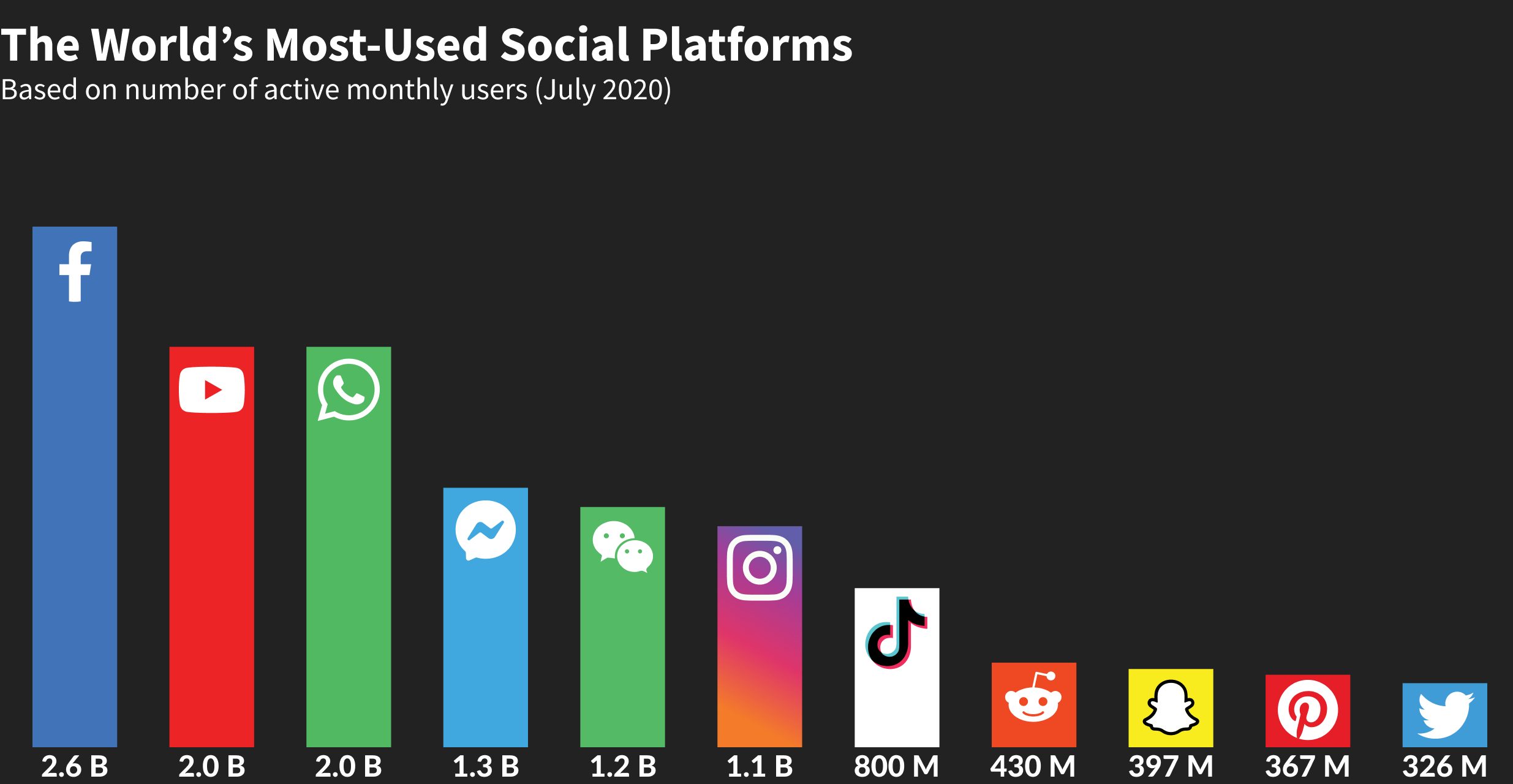
1 in 3 people on Earth use Facebook.
Facebook remains the world's most popular Social Media platform, with over 2.6 billion monthly active users today. Founded in 2004, it reached more than 800 million users in 2012, 8 years later.
On the other hand, TikTok has become the top grossing app globally on the iOS App Store for the second quarter of 2020, reaching that 800m user milestone in just 2 years after being released worldwide in 2018.
Social Media is required in today's world.
Living through the pandemic would have been much tougher. As gatherings are called off and people stay at home, these platforms allow us to breach physical distances and remain virtually connected with the world, through messages, calls and video conferencing.
Some are finding new ways to connect with others, hosting virtual parties to watch movies together, or attending live-streamed concerts.
In fact, roughly half of U.S adults say the Internet has been a necessity during the pandemic, with a further 34% describing it as important. Without it, connecting with others would be much harder, even hindering everyday tasks or schoolwork.
What would your lockdown have been like without Social Media?

Posting a tweet takes merely seconds.
In one minute on the internet...

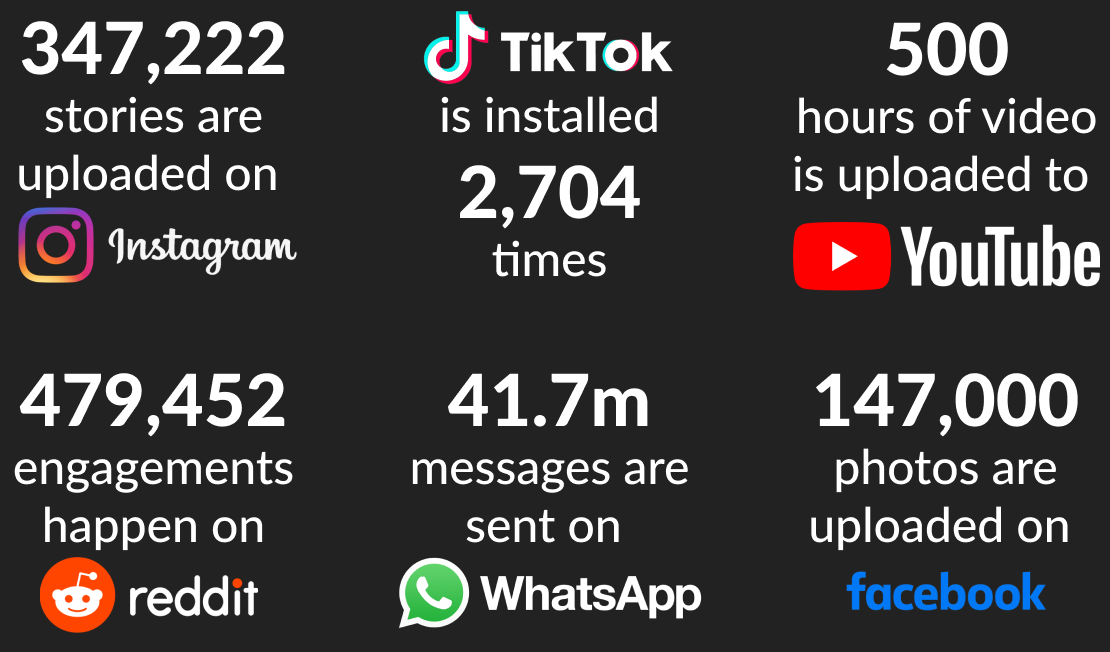
That's a lot of data on the Internet.
Facebook itself generates 4 petabytes of data per day.
How much is 4 petabytes of data?
That's 4,000 times an average computer's hard drive.
Facebook's data warehouse storage contains about 300 petabytes of data.
That's 300,000 times an average computer's hard drive.
Storing approximately 40 billion photos
Or 6.6 million hours of 4K movie footage.
How Safe Is That Data?

Facebook has faced its fair share of data breaches and hacks.
And it is not just Facebook. Over the years, many platforms have faced issues, plaguing millions of users around the world.
Just in the past 2 years, some data breaches and hacks include

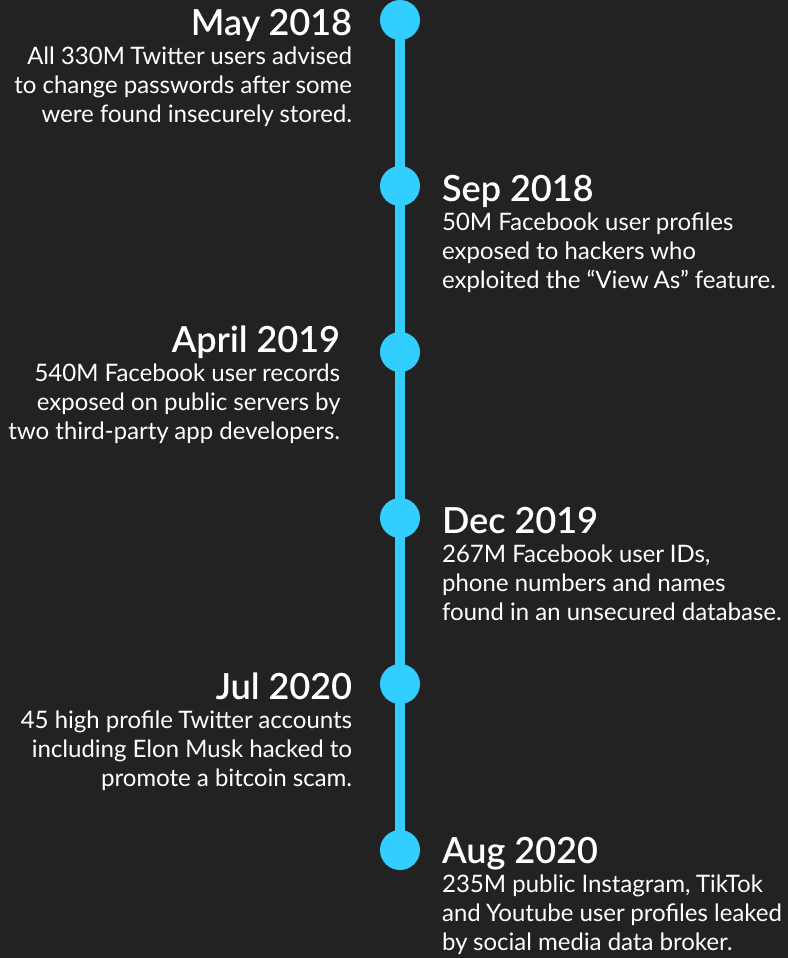
In 2018, it was disclosed that as many as 87 million user profiles were harvested without consent by Cambridge Analytica, allowing them to profile users and target them with political messaging in advertising.
Some believe this contributed to Trump’s 2016 campaign success.
Do you think Social Media platforms have a duty to protect its users?

It's not just users' data, but their well-being needs to be considered too.
According to a study of 5,208 subjects published on the American Journal of Epidemiology, users' mean self-reported mental health score have been falling slightly.
Calculated based on a user's Facebook usage, there is a likelihood that increased number of status updates is correlated with reduced overall mental health wellbeing.
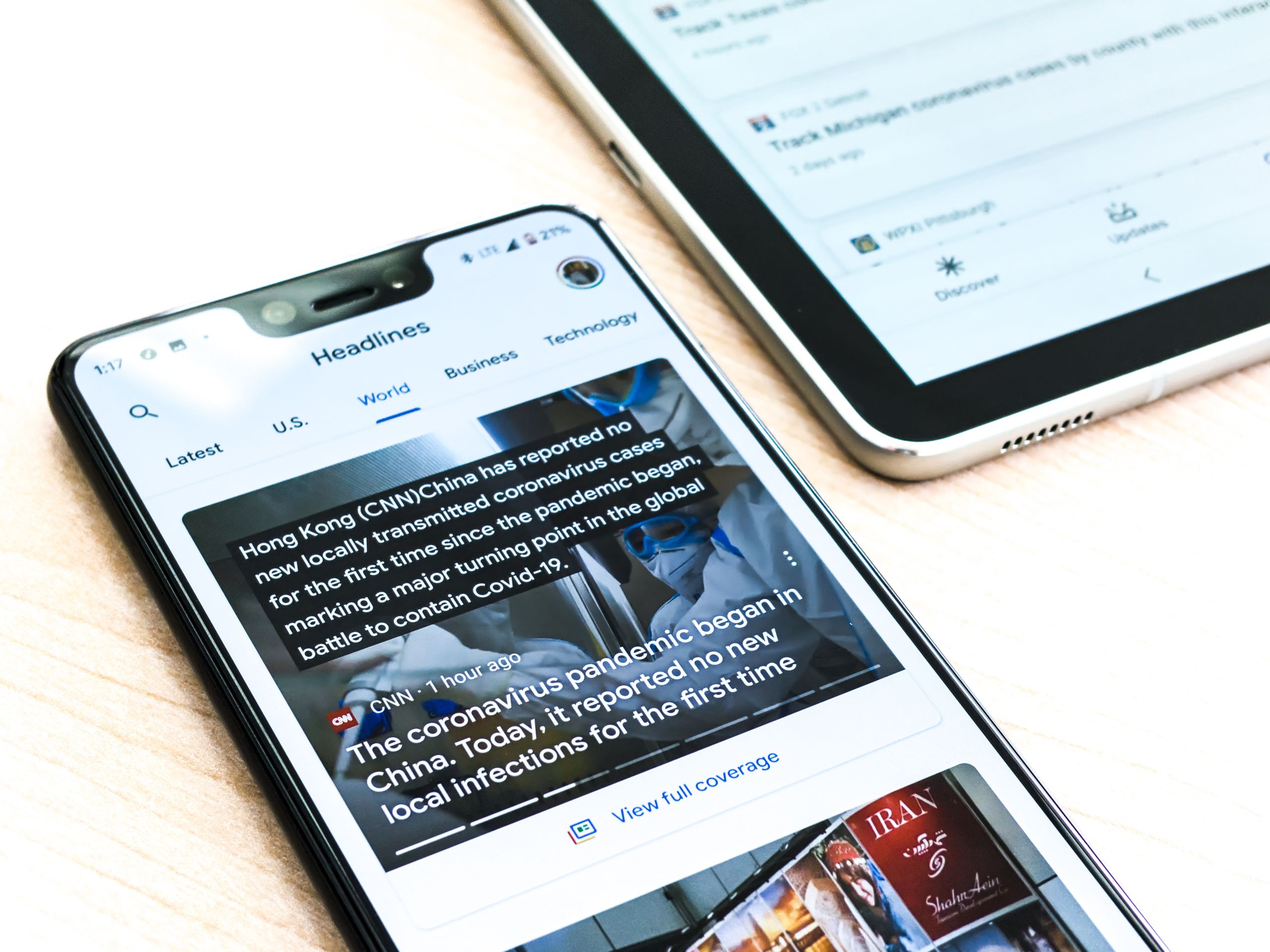
More recently, the COVID-19 coverage on social media showed that platforms are still affected by misinformation about the virus.
And when 1 in 5 Americans consume their news from social media platforms, the more time they spend on such platforms, the more likely they are to report worse mental health.
However, of those who say they set time limits on the amount of COVID-19 news they consume, they were more likely to report improved mental health.

Social media use can have
positive mental health effects too.
A study co-authored by research scientists at Harvard T.H. Chan School of Public Health found that while negative health outcomes are associated with users who form deep emotional connections to social media sites such as the fear of missing out on their friends' posts, users who simply use social media as part of a daily routine do see positive mental health and social well-being benefits.
It's good to use social media,
if you're not getting attached to it.
How much time do you spend on Social Media?

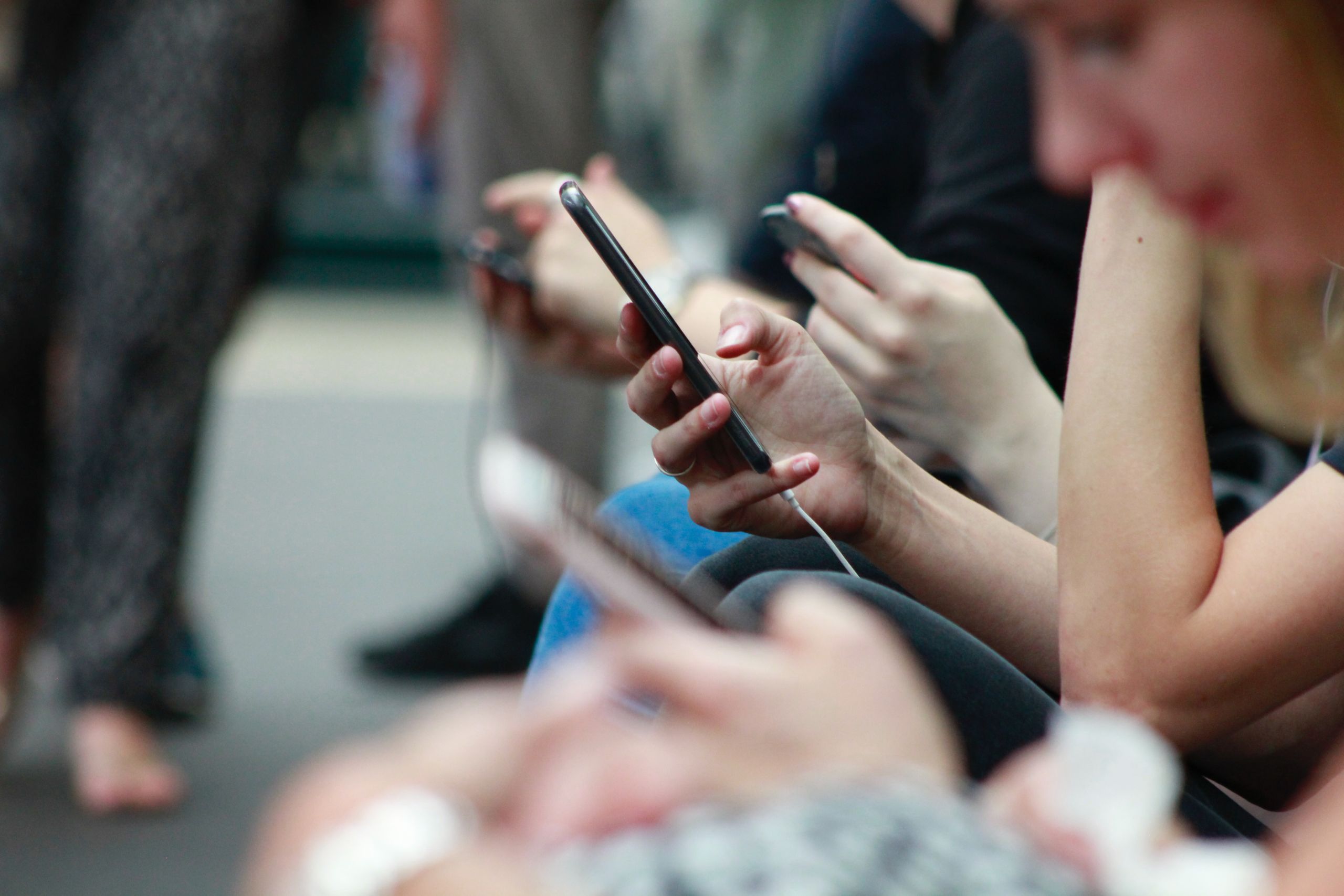
In a single day,
The average amount of time spent per day using Social Media is approximately 2 hours and 22 minutes. That varies between age groups.
That's approximately 15% of our waking hours spent scrolling and posting on Social Media.
Time that could be spent doing something else - Swimming, Hiking, Painting, or just having a coffee with friends.
As with life, it is about balance.
We need to protect ourselves by using social media healthily and effectively, balancing our need for connectivity with our right to privacy.

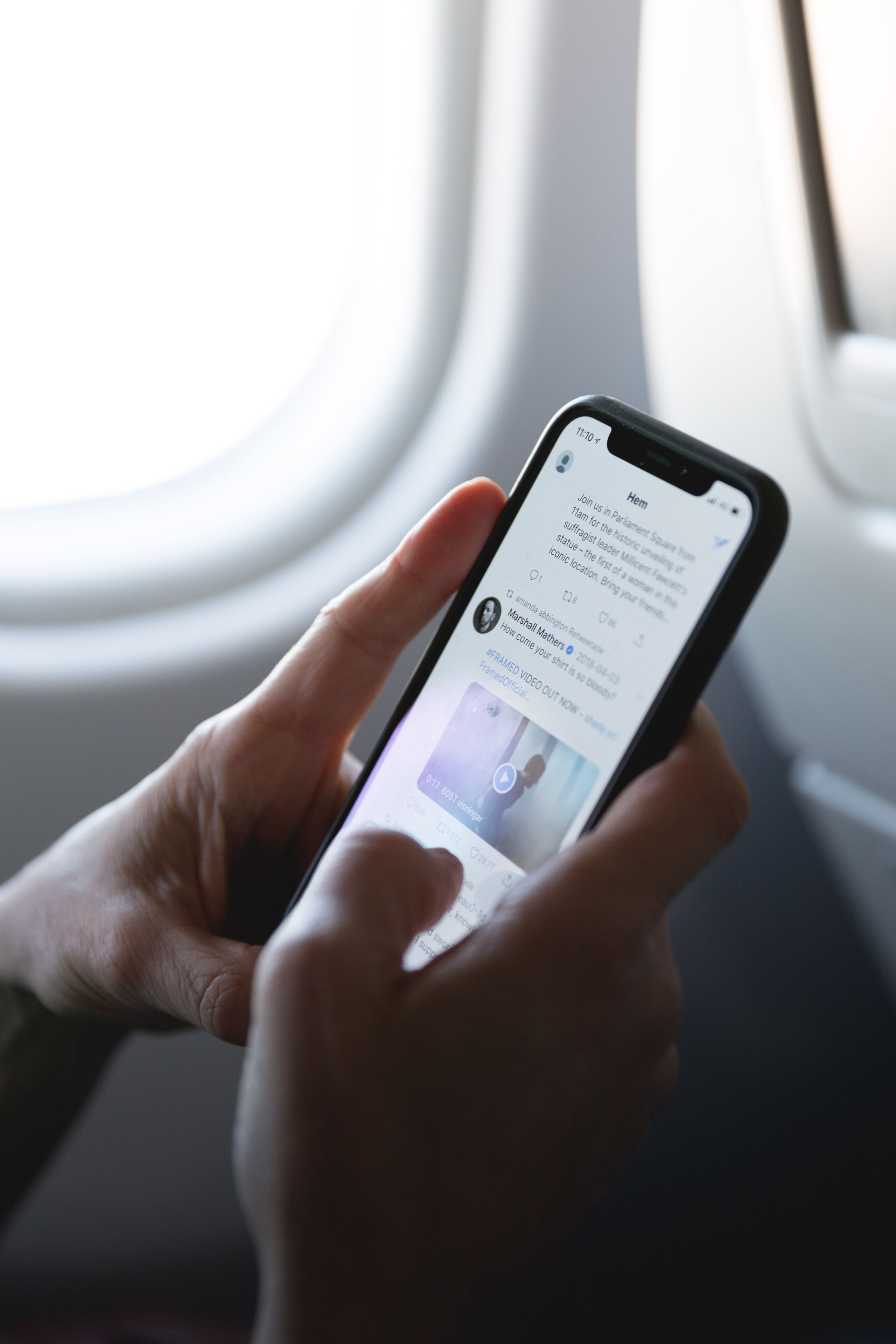
Controlling Your Screen Time
Your phone can help monitor your usage and set limits. Find out more:
Screen Time on iOS: https://support.apple.com/en-us/HT208982
Digital Wellbeing on Android: https://wellbeing.google

Free Yourself.
Sources
- https://www.cbsnews.com/news/millions-facebook-user-records-exposed-amazon-cloud-server/
- https://www.comparitech.com/blog/information-security/social-data-leak/
- https://www.cnn.com/2020/07/15/tech/twitter-hack-elon-musk-bill-gates/index.html
- https://datareportal.com/reports/more-than-half-the-world-now-uses-social-media
- https://flixed.io/insights/covid19mediadiet/
- https://hbr.org/2017/04/a-new-more-rigorous-study-confirms-the-more-you-use-facebook-the-worse-you-feel
- https://journals.sagepub.com/doi/full/10.1177/1090198119863768
- https://www.journalism.org/2020/03/25/americans-who-primarily-get-news-through-social-media-are-least-likely-to-follow-covid-19-coverage-most-likely-to-report-seeing-made-up-news/
- https://www.pewresearch.org/internet/fact-sheet/social-media/
- https://www.pewresearch.org/fact-tank/2020/04/30/from-virtual-parties-to-ordering-food-how-americans-are-using-the-internet-during-covid-19/
- https://www.pewresearch.org/fact-tank/2020/03/31/americans-turn-to-technology-during-covid-19-outbreak-say-an-outage-would-be-a-problem/
- https://www.pewresearch.org/internet/2020/04/30/53-of-americans-say-the-internet-has-been-essential-during-the-covid-19-outbreak/
- https://research.fb.com/blog/2014/10/facebook-s-top-open-data-problems/
- https://techcrunch.com/2018/09/28/everything-you-need-to-know-about-facebooks-data-breach-affecting-50m-users/?guccounter=1
- https://www.theverge.com/2018/5/3/17316684/twitter-password-bug-security-flaw-exposed-change-now
- https://www.visualcapitalist.com/every-minute-internet-2020/
 Built with Shorthand