Rethinking South Korea's Birthrate Crisis
Beyond Cash Incentives, Policy Lessons from Sweden


Would you consider having a pet instead of a child?
This is the current reality in South Korea. In 2023, the sales of dog strollers officially outpaced baby strollers in the Republic of Korea (also known as South Korea), the country with world's lowest birthrate at the moment (Berger, 2024).
In South Korea, the young generation has shown a vivid preference of pets over babies. Some commenters tie this trend with South Korea's feminist movement, and women seeking to break the gender norms and gender inequality in workplaces (Kreimer, 2024). As shown in figure 1, 73.9% of South Korean households own a dog, and 32.4% own a cat. Many view their pets as their children - cheaper, no barrier to professional growth, and lower financial stress level.

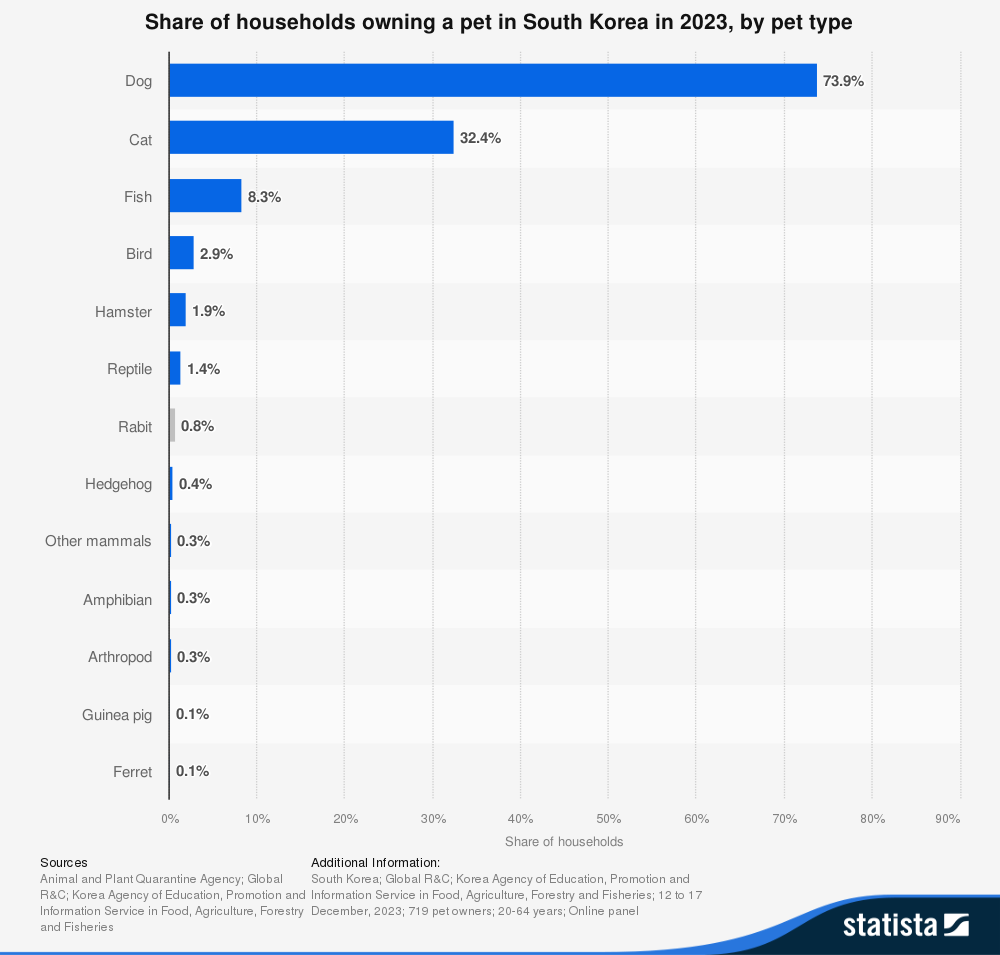
Figure 1: Share of households owning a pet in South Korea in 2024 (Statista, 2023)
Figure 1: Share of households owning a pet in South Korea in 2024 (Statista, 2023)


Image 3: President Yoon and First Lady Kim Keon Hee, and their newly adopted dog Saeromi (Photo by SBS on the Korea Herald)
Image 3: President Yoon and First Lady Kim Keon Hee, and their newly adopted dog Saeromi (Photo by SBS on the Korea Herald)


Image 1: Dogs riding on strollers (Photo by Chloe Berger on Fortune)
Image 1: Dogs riding on strollers (Photo by Chloe Berger on Fortune)
The South Korean government, however, is beyond concerned to see the population shrink. President Yoon Suk Yeol declared in May 2024 that the notoriously low birth rate to be a "growing national emergency" (Kreimer, 2024).

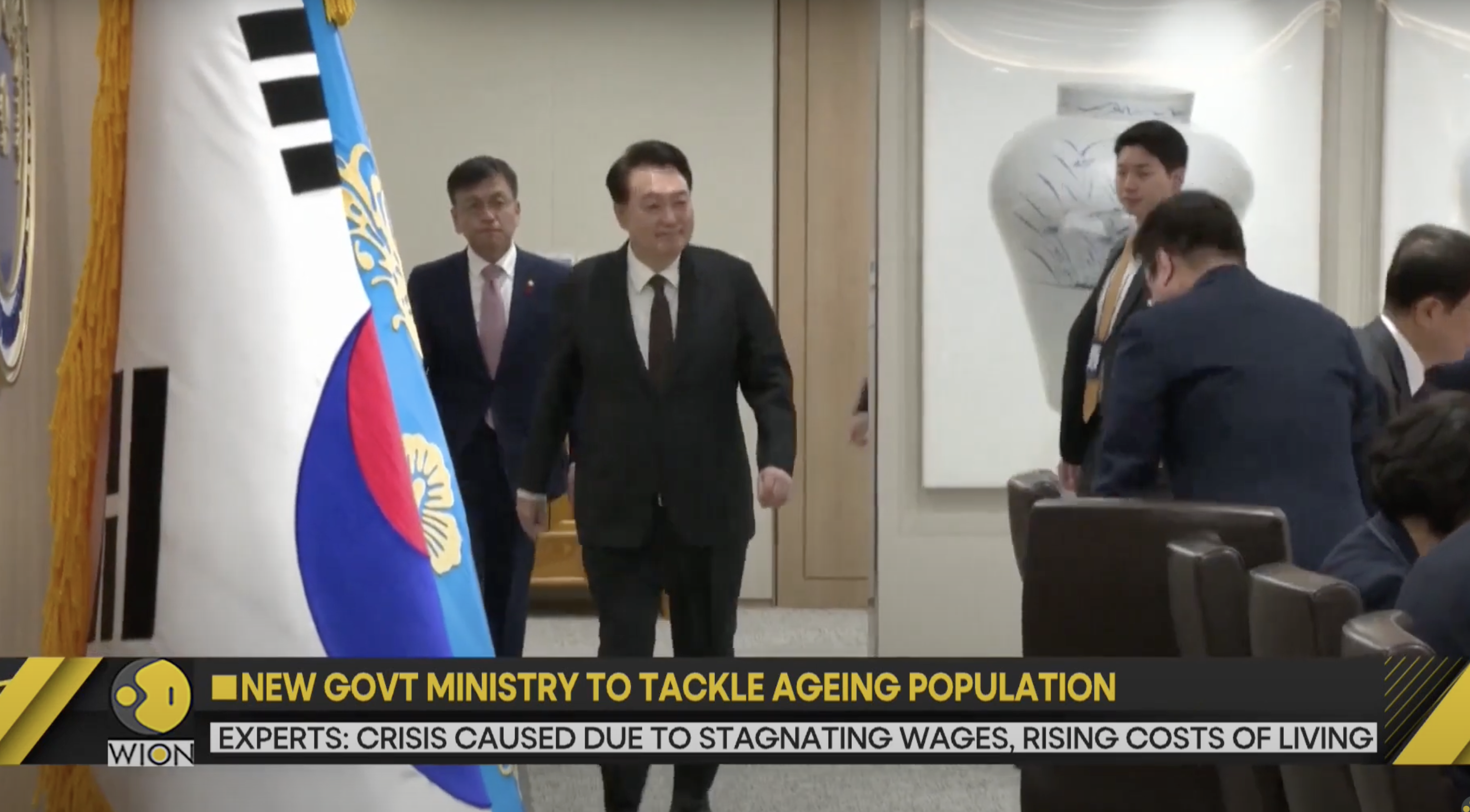
However, President Yoon and First Lady Kim Keon Hee are childless dog lovers too. In 2023, they adopted a retired service dog, Saeromi, and President Yoon introduced himself as the father to Saeromi.
This research focuses on why South Korea's several pro-natalist policies, especially the Baby Bonus Program, did not achieve its effects, and what policymakers could consider from Sweden's worldwide famously successful policy model.
I. Fertility Rate Trends Overview
Definition of Fertility Rate: within a country, average births per woman gives in the particular year.

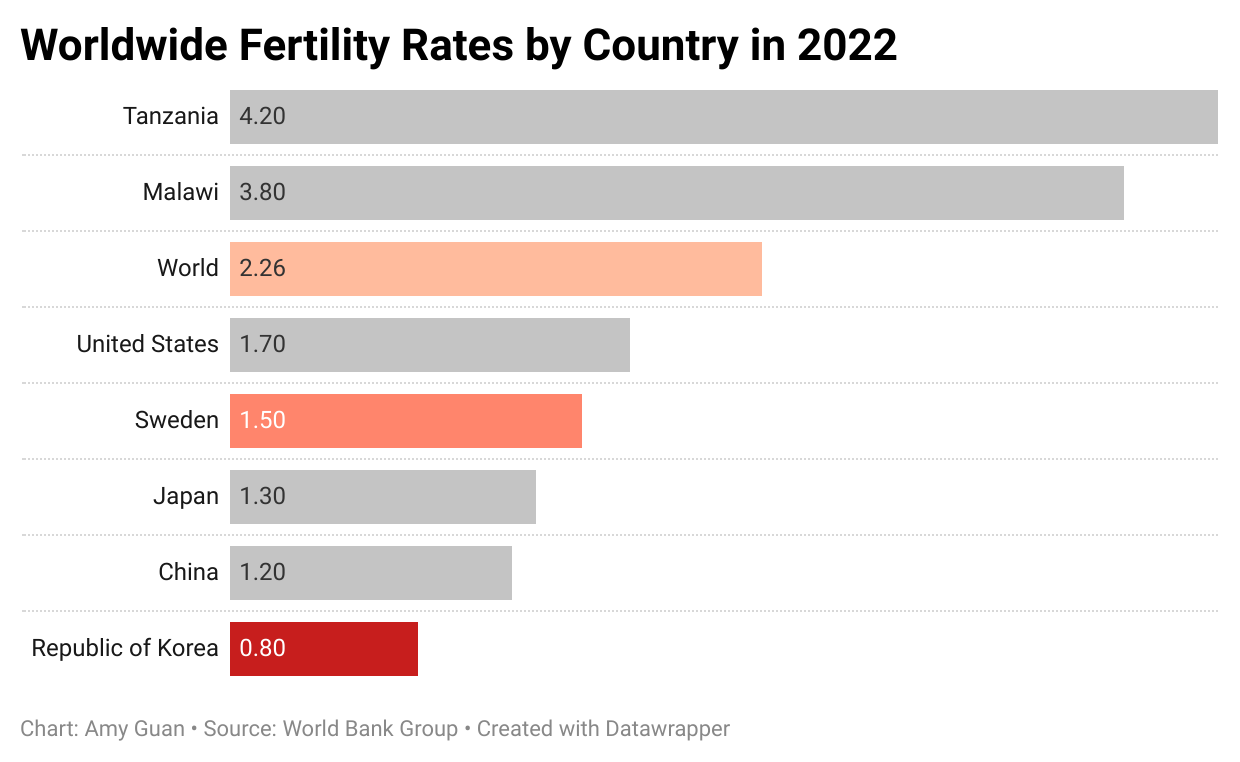
Figure 2: Worldwide fertility rate by country in 2022 (Data from The World Bank Group, 2023)
Figure 2: Worldwide fertility rate by country in 2022 (Data from The World Bank Group, 2023)
In 2022, the world average fertility rate was 2.26 births per woman. South Korea's fertility rate dropped to approximately 0.80. This number, which is currently the lowest in the world, did not happen over night.

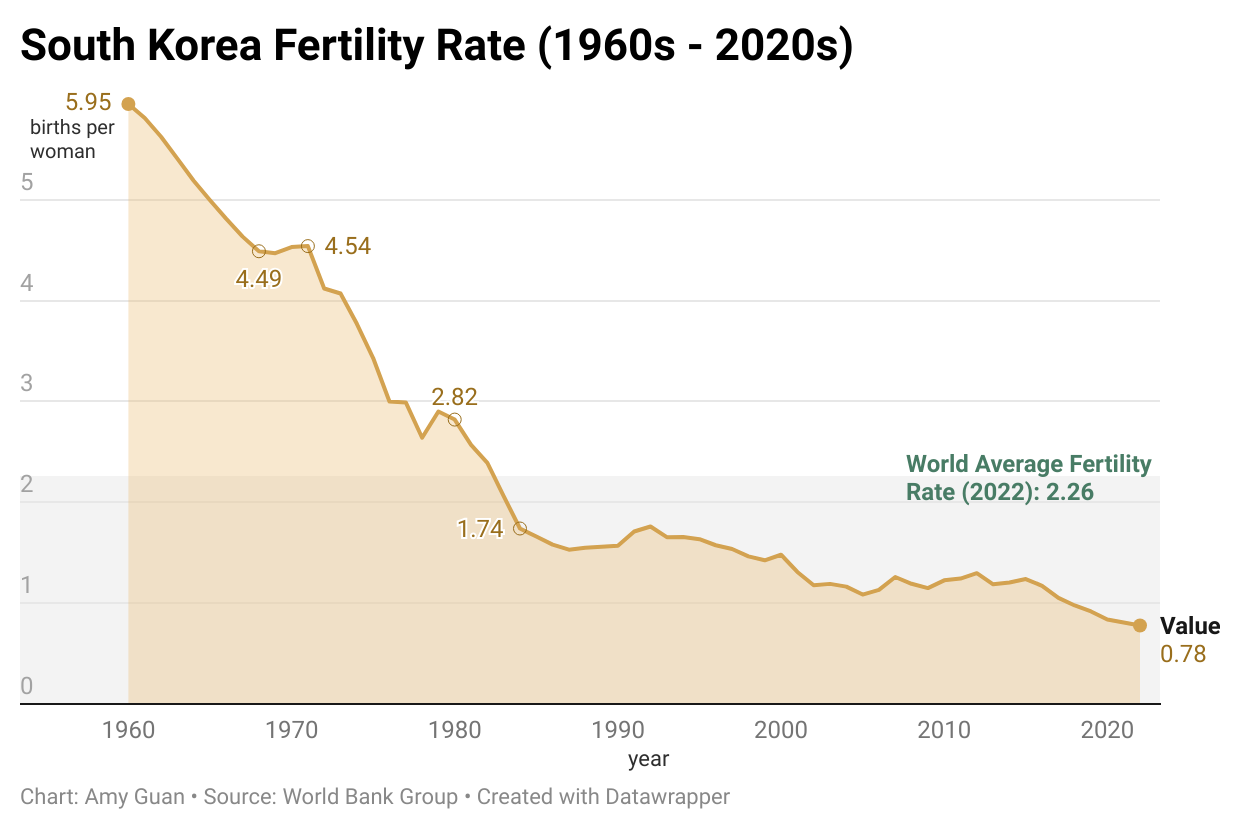
Figure 3: South Korea fertility rate from 1960s to 2020s (Data from The World Bank Group, 2023)
Figure 3: South Korea fertility rate from 1960s to 2020s (Data from The World Bank Group, 2023)
Observably, South Korea has had a constant drop in their birthrate. In early 1980s, the Korean birth rate has dropped below the current world average.


II. Current Efforts
Since the 1980s, the South Korean government has introduced several policies to tackle the fast-declining birthrate. Many of them offer monetary transfer to new parents, providing financial support as they welcome newborns.

Photo by Markus Spiske on Unsplash
Photo by Markus Spiske on Unsplash
2005
Childcare Subsidies
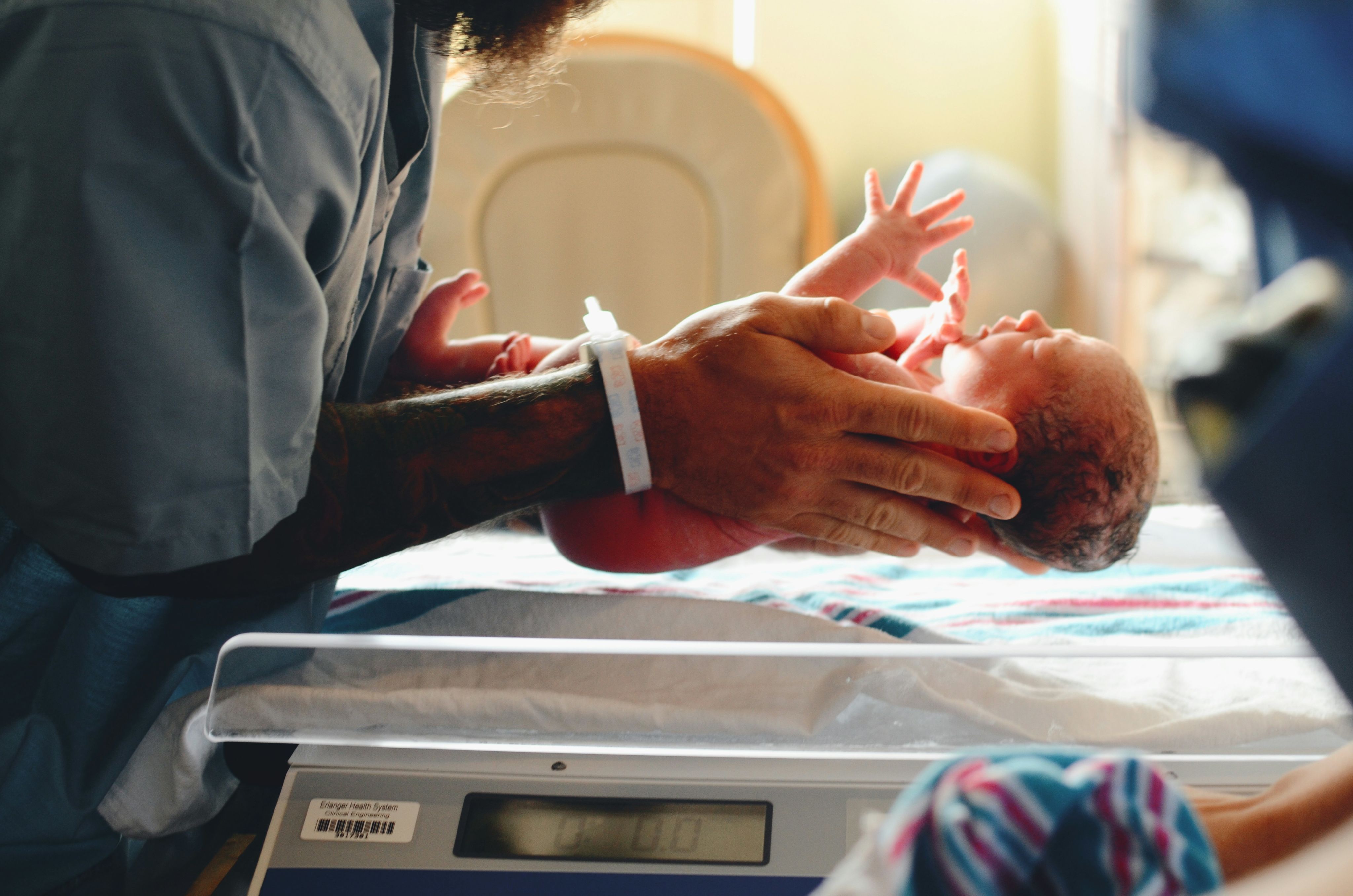
Photo by Christian Bowen on Unsplash
Photo by Christian Bowen on Unsplash
2006
The Baby Bonus Program
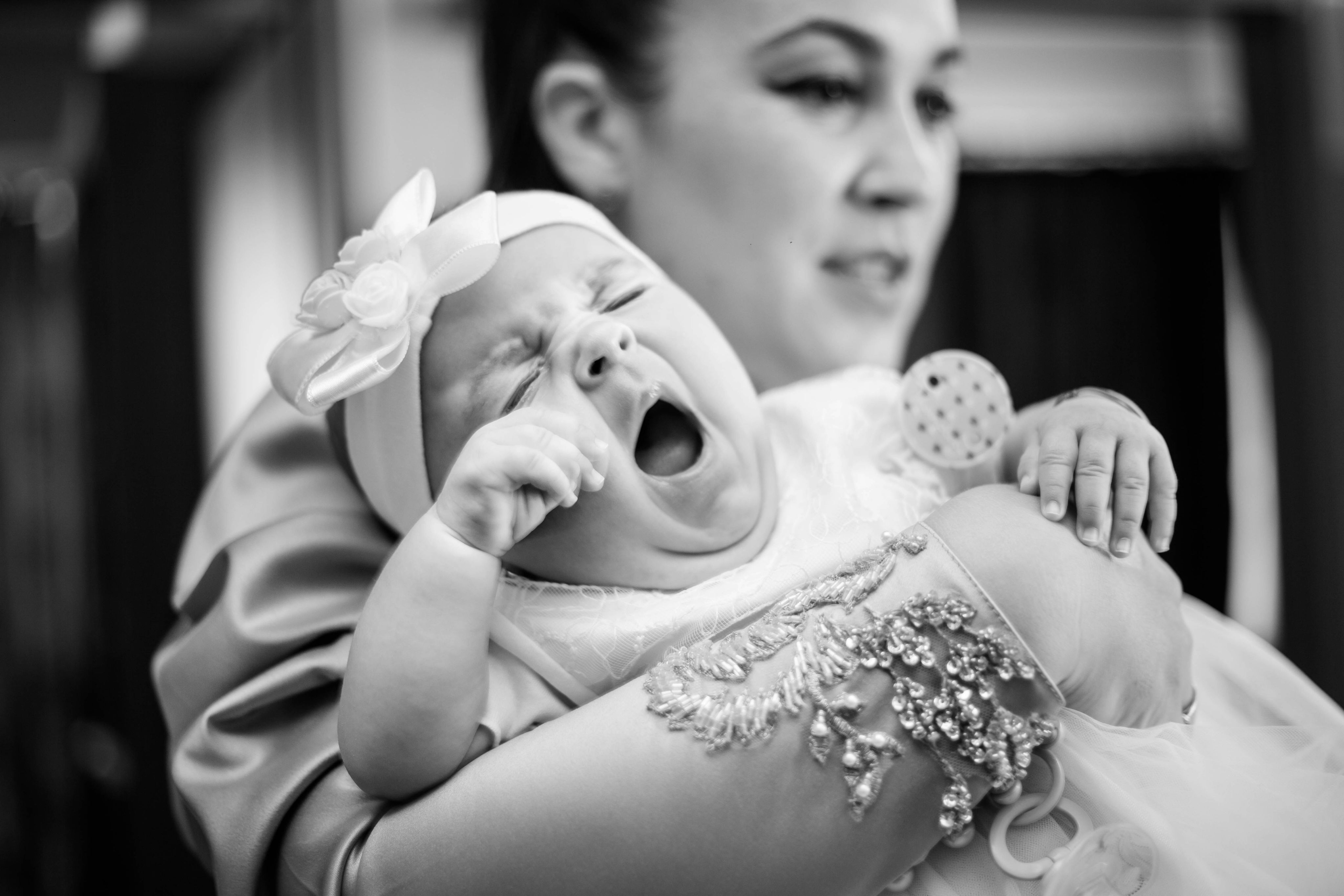
Photo by Bia Octavia on Unsplash
Photo by Bia Octavia on Unsplash
2008
Extended Maternity Leave



III. Case Study:
the Korean Baby Bonus Program
As much as there are sufficient amount of policies implemented, the birth rate did not seem to climb as government make public investment on the subject.
The baby bonus program started in 2006, initially operated by local governments, which later achieved 99% participation rate on a national level (Choo and Hugo, 2021). Figure 4 and figure 5 demonstrates the amount of bonus average new parents receive for their first, second or third child. In general, the bonus for the first child is approximately $700 USD, which is equivalent to a month of minimum wage.

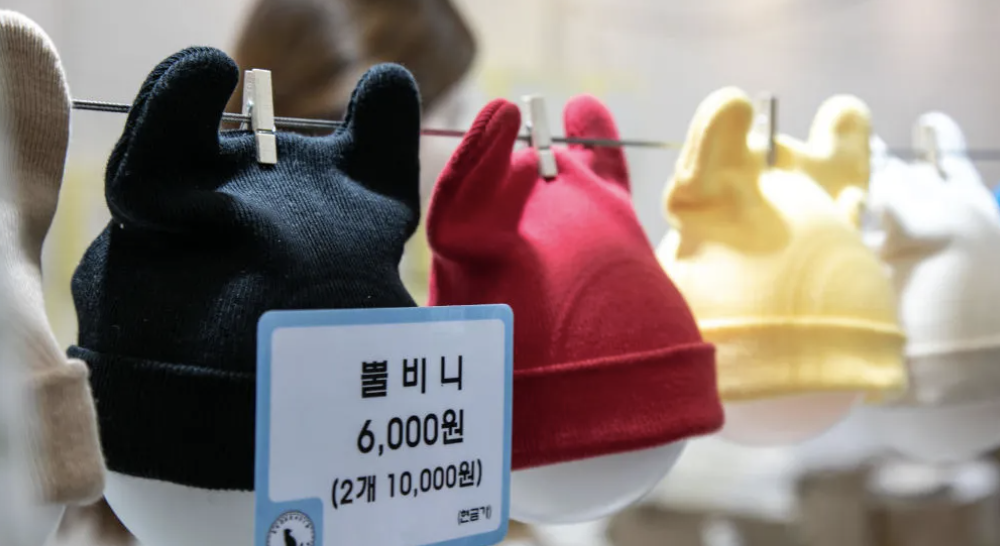
Image 4: Child products (Photo By Tyler Cowen on Bloomberg)
Image 4: Child products (Photo By Tyler Cowen on Bloomberg)

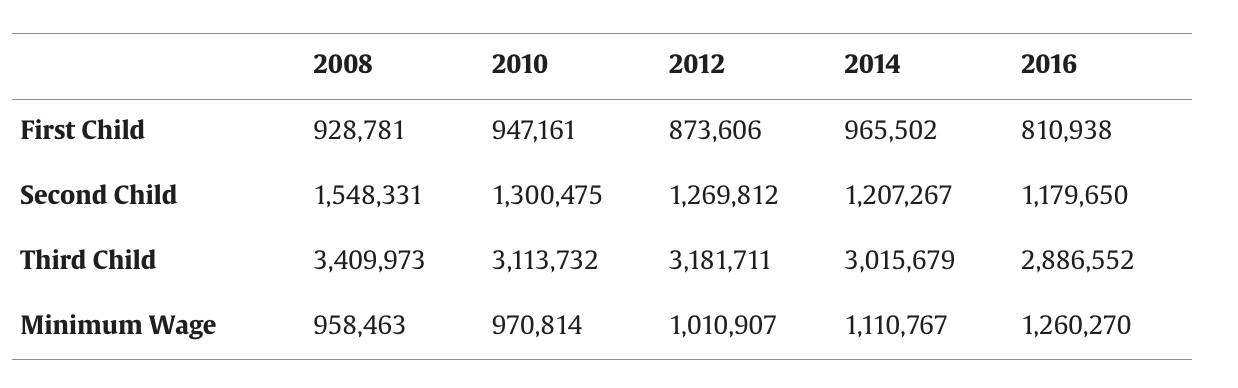
Figure 4: Average baby bonus amount in Korean Won (Choo and Hugo, 2021)
Figure 4: Average baby bonus amount in Korean Won (Choo and Hugo, 2021)

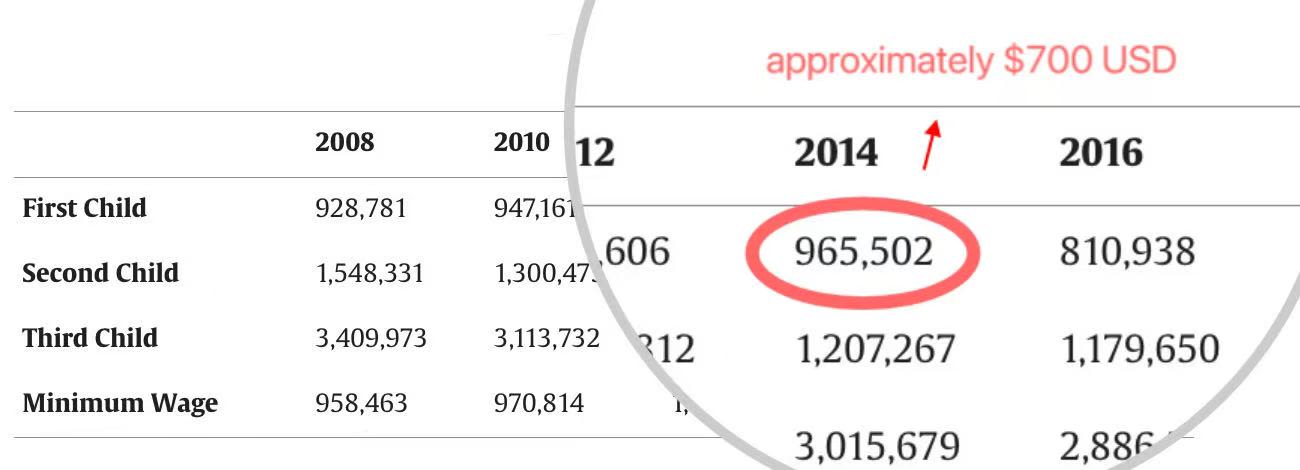
Figure 5: Average baby bonus USD Conversion (Choo and Hugo, 2021)
Figure 5: Average baby bonus USD Conversion (Choo and Hugo, 2021)
As a result, even the local governments make considerable public spending on the baby bonus program, the limited amount of financial support combined with constraints to apply for bonuses did not seem to help increase the birth rate.
74%
the fraction of the Korean baby bonus program’s budget that is spent on infra-marginal births - births that would have happened without the program
(Choo and Jales, 2022)


IV. Policy Recommendation Based on Sweden's Model
Generous Parental Leave (1974)
Researches have shown that in heterosexual parenthood, normative gender roles in care responsibilities and social expectations are great barriers for women to get to or return to workplaces, and consequently barrier to professional females to choose motherhood (Haas, 2008).
Swedish policymakers took a lead in structuring their welfare policies in gender-aware contexts, addressing gender friendly workplace policies for mothers-to-be. In Sweden, paid parental leaves are generous for two reasons.
1. Length. Under the 1974 Generous Parental Leave Policy, Swedish parents get a total of 480 days of paid leave, with fully-paid 90 days and 390 days being paid at 80% of their salaries. This almost year-and-half time window allow new parents to spend time with the new born, take care of chores, while being paid and maintaining their job with easy return.
2. Shared Parenthood. Paid leave days are transferrable between the parents. However, Swedish policy makers amended the "Use it Or Lose it" approach. 90 Days are reserved for each parent exclusively, and will be lost if the parent does not use it. This detailed approach greatly encouraged shared parenthood that combat gender expectations. It also shaped the population to be more gender neutral when it comes to care-giving responsibilities.
As a result, the ratio of female to male labor force participation rate is maintained at almost 90% in Sweden. As shown in figure 6, female participation rate in the labor market has been increasing in South Korea since 1990s, but has just reached 75% in 2020s.

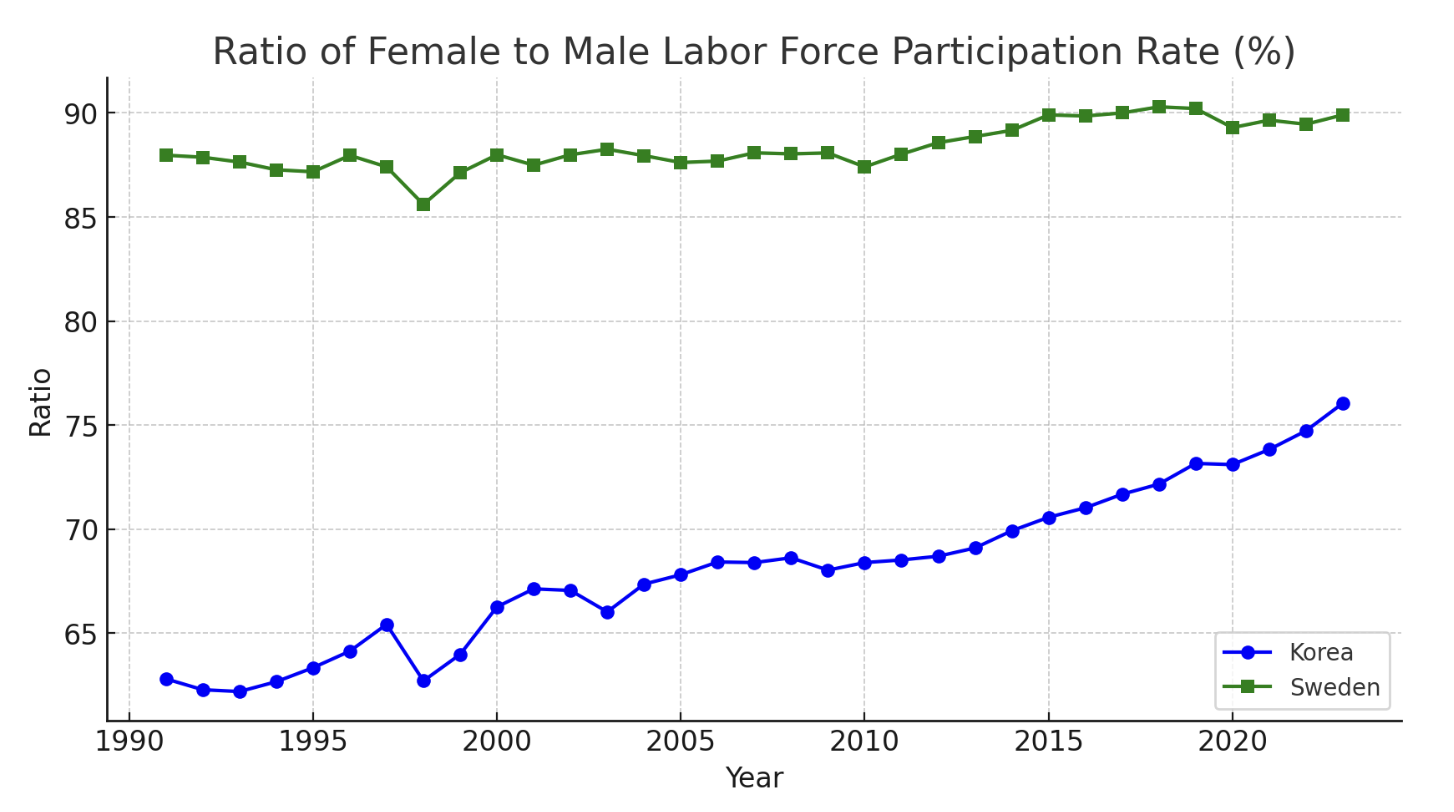
Figure 6. Data visualization created using ChatGPT (4o) from the prompt generate two-line graph based on the given data. Open data from the World Bank Group.
Figure 6. Data visualization created using ChatGPT (4o) from the prompt generate two-line graph based on the given data. Open data from the World Bank Group.
Having the shared parenthood model in South Korea from corporate level with public subsidy could help increase this ratio, and would expect to see a boost birth rate as the public support to parents and moms increase.
Affordable Child Care (1990)
Sweden government funds highly subsidized, high quality childcare for children from the age 1 to 5, before their kindergarten and elementary school education.
While also being a monetary approach, child care affordability is quantified by family income in Sweden. Childcare charges income based fees monthly that are capped at 3% of the family income. This number is on average approximately 1382 SEK (135 USD) (Center for Public Impact, 2018). By providing accessible and affordable childcare, the family-friendly policy encourages parents, especially mothers, to return to work.
V. How Can We Help?
Holistic Approach: While making and advocating reproductive policies, consider beyond financial barriers and reach to address cultural and structural challenges such as workforce gender inequality.
Shared Parenthood: Consider implementing policies, such as the "Use it Or Lose it" approach, that would practically encourage shared parenthood especially in heterosexual parenthoods.
Long Term Public Investment: In the long term, consider advocating for a broader social welfare system that are family friendly, this includes quantified affordable childcare and comprehensive public education.
For more information and public data:
Presidential Committee on Ageing Society and Population Policy
Website: http://18precap.pa.go.kr/english_link.lo?path=/content/english/role_en
Ministry of Health and Welfare
Website: https://www.mohw.go.kr/eng/index.jsp
Bibliography:
Berger, C. (n.d.). Sales of dog strollers outpace baby strollers. Fortune. Retrieved February 24, 2025, from https://fortune.com/2024/09/09/sales-of-dog-strollers-outpace-baby-strollers-in-the-country-with-the-worlds-lowest-birth-rate/
Choo, D., & Jales, H. (2021). Childbearing and the distribution of the reservation price of fertility: The case of the Korean baby bonus program. Journal of Asian Economics, 77, 101395. https://doi.org/10.1016/j.asieco.2021.101395
Duvander, A.-Z., & Ferrarini, T. (n.d.). Sweden’s Family Policy under Change: Past, Present, Future.
Fertility rate, total (births per woman). (n.d.). World Bank Gender Data Portal. Retrieved February 24, 2025, from https://genderdata.worldbank.org/en/indicator/sp-dyn-tfrt-in
Figure 6: Figure 6. Data visualization created using ChatGPT (4o) from the prompt generate two-line graph based on the given data. Open data from the World Bank Group. February 23, 2025.
Haas, L. (2003). Parental Leave and Gender Equality: Lessons from the European Union. Review of Policy Research, 20(1), 89–114. https://doi.org/10.1111/1541-1338.d01-6
Hagqvist, E., Nordenmark, M., Pérez, G., Trujillo Alemán, S., & Gillander Gådin, K. (2017). Parental leave policies and time use for mothers and fathers: A case study of Spain and Sweden. Society, Health & Vulnerability, 8(1), 1374103. https://doi.org/10.1080/20021518.2017.1374103
Kim, D. Y. and S. (2024, September 9). Nation With Lowest Birthrate Is Rocked by Soaring Sales of Dog Strollers. WSJ. https://www.wsj.com/world/asia/nation-low-birthrate-childlessness-dog-strollers-south-korea-e9778517
policies, T. M. of H. and W. (MOHW) coordinates and oversees health and welfare related affairs and. (n.d.). 보건복지부 영문홈페이지. 보건복지부 영문홈페이지. Retrieved February 26, 2025, from https://www.mohw.go.kr/eng?
Ratio of female to male labor force participation rate (%). (n.d.). World Bank Gender Data Portal. Retrieved February 4, 2025, from https://genderdata.worldbank.org/en/indicator/sl-tlf-cact-fm-zs
Seo, J. Y., Alex Stambaugh, Yoonjung. (2024, May 9). South Korea’s birth rate is so low, the president wants to create a ministry to tackle it. CNN. https://www.cnn.com/2024/05/09/asia/south-korea-government-population-birth-rate-intl-hnk/index.html
South Korea Fertility Crisis: Could Public Subsidies Solve It? - Bloomberg. (n.d.). Retrieved February 25, 2025, from https://www.bloomberg.com/opinion/articles/2024-05-15/south-korea-fertility-crisis-could-public-subsidies-solve-it
South Korea: Households owning a pet by pet type 2023. (n.d.). Statista. Retrieved February 24, 2025, from https://www.statista.com/statistics/1187114/south-korea-households-with-a-pet-by-pet-type/
Sweden’s 1975 National Preschool Reform. (2018, June 7). Centre for Public Impact. https://centreforpublicimpact.org/public-impact-fundamentals/swedens-1975-national-preschool-reform/
Unsplash. (2017, October 1). Photo by Leo Rivas on Unsplash. https://unsplash.com/photos/girl-wearing-black-top-while-standing-and-holding-flower-on-green-grass-2iqKxsN659U
Unsplash. (2018a, January 21). Photo by Mathieu Turle on Unsplash. https://unsplash.com/photos/photo-of-dollar-coins-and-banknotes-uJm-hfuCHm4
Unsplash. (2018b, October 17). Photo by Markus Spiske on Unsplash. https://unsplash.com/photos/assorted-color-color-pencils-IFCloi6PYOA
Unsplash. (2019, February 24). Photo by Christian Bowen on Unsplash. https://unsplash.com/photos/person-wearing-gray-shirt-putting-baby-on-scale-I0ItPtIsVEE
Unsplash. (2021a, January 10). Photo by Kind and Curious on Unsplash. https://unsplash.com/photos/red-and-white-stop-sign-_8gzs9HYYhM
Unsplash. (2021b, April 23). Photo by Daniel Bernard on Unsplash. https://unsplash.com/photos/white-red-and-blue-basketball-hoop-qjsmpf0aO48
Unsplash. (2021c, July 21). Photo by Bia Octavia on Unsplash. https://unsplash.com/photos/man-in-gray-shirt-carrying-baby-in-grayscale-photography-y_70_Uhsgg4
WION (Director). (2024, May 10). South Korea President wants to create Ministry to tackle low birth rates | WION Dispatch [Video recording]. https://www.youtube.com/watch?v=lyosBr4nge0
Yonhap. (2023, May 28). Yoon, first lady star on TV show with adopted dog. The Korea Herald. https://www.koreaherald.com/article/3135953
 Built with Shorthand