
From Novels to Nine-Second Reels:
The Attention Swap We Didn’t Notice


It all started with a simple realisation: I don’t read nearly as much as I used to.
When I was younger, books were my constant companions, stacked on my desk, tucked into my bag, always within reach. Somewhere between late-night study sessions, deadlines, and the general chaos of adulthood, that habit slipped quietly out of focus.
Of course, life looks different now. I’m finishing graduate school, juggling responsibilities that didn’t exist a few years ago. If someone asked me why I don’t read anymore, I could easily say, “I just don’t have the time.” And on the surface, that’s true.
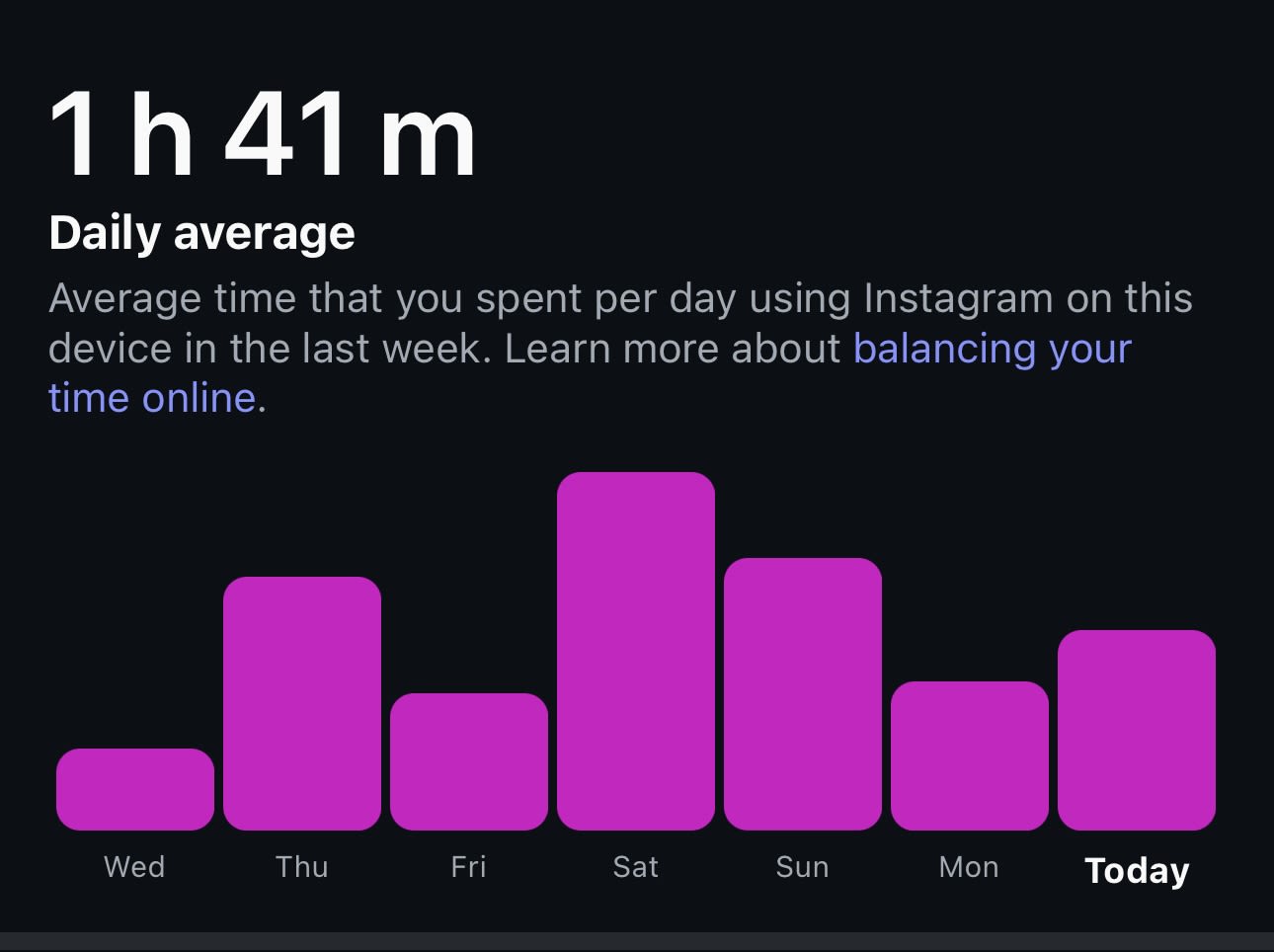
But as I thought about it more, I realised there’s another culprit in this story, one that crept in slowly, almost invisibly. Social media. More specifically, in my case, Instagram. The app that has mastered the art of capturing my attention in 15-second intervals.
When I checked my weekly average usage, the number stared back at me like a plot twist I should have seen coming…




My Key Data Points
(For the past 12 months)


ANNUAL INSTAGRAM USAGE
608 hrs ~ 25 Days!

EQUIVALENT READING POTENTIAL
60 Books

REALISTIC ESTIMATE
15 Books

ACTUALLY READ
3 Books


I NEED MORE DATA!!
Do the numbers look the same for people my age? Does it get better in your 30s?




People between the ages of 25 and 30 have read 5 books in the past 12 months...very close to my personal data



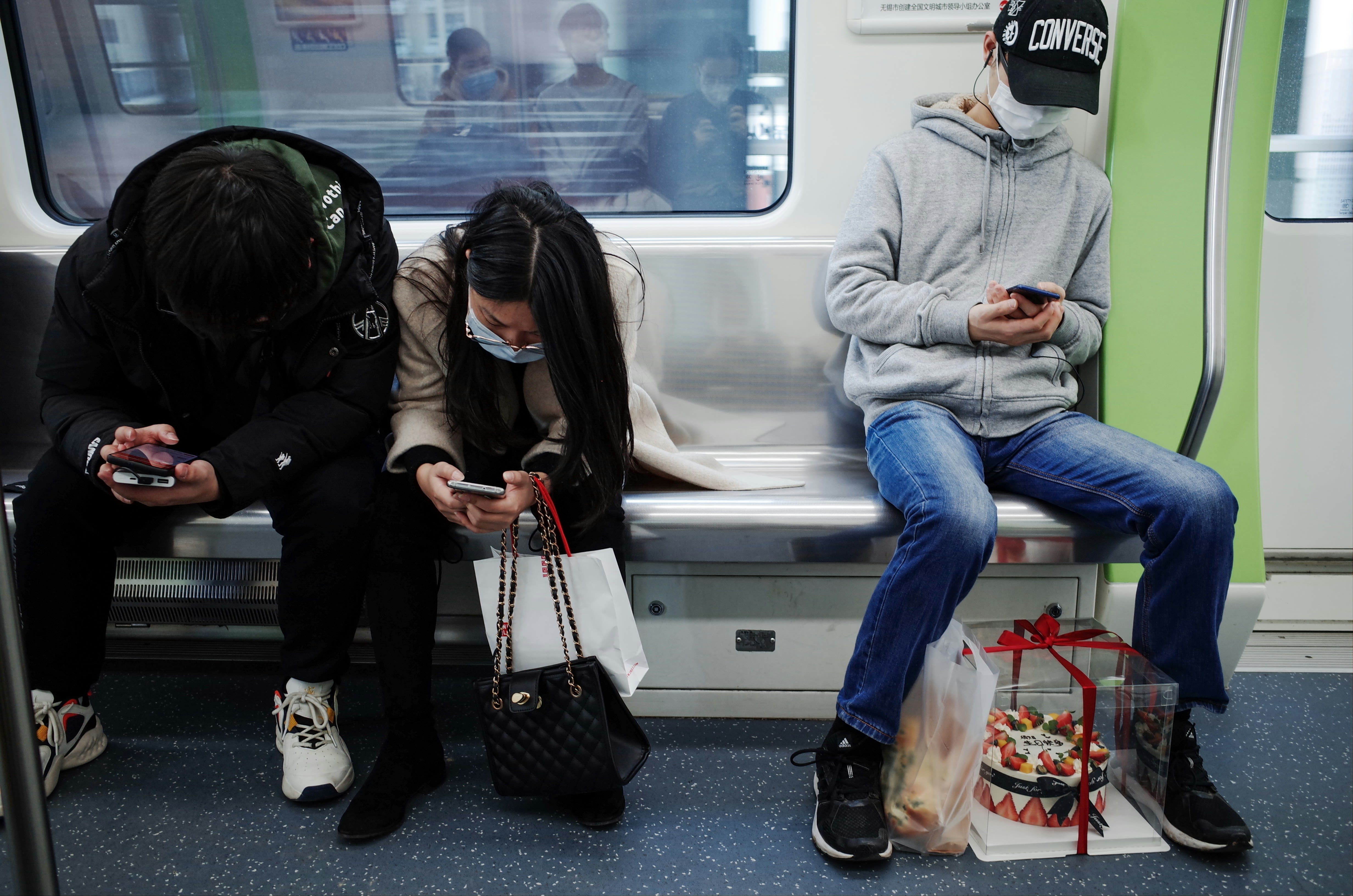
People between the ages of 25 and 30 are spending around 90 minutes ...very close to my personal data
The data highlights a meaningful pattern in how different age groups spend their time. Individuals aged 25 to 30 show the highest daily engagement with social media, while reporting the lowest amount of time spent reading books. This combination suggests that during this stage of life, often marked by career pressure, social activity, and digital connectivity. Reading habits may be deprioritized in favor of quicker, more accessible forms of content.
As people move into the 30 to 35 age range, a subtle but encouraging shift appears. Social media usage begins to decline, and reading frequency shows a slight increase. This may reflect evolving priorities, greater work-life stability, or a growing intentionality around how personal time is spent.
That said, it is important not to assume a direct cause-and-effect relationship between social media use and reading. These activities are influenced by a wide range of factors such as occupation, lifestyle, family responsibilities, and personal interests, which vary widely across individuals. The two behaviors may move in opposite directions for some age groups, but this does not necessarily mean one directly reduces the other.
Overall, the data suggests that habits around digital consumption and reading evolve with age, offering a nuanced picture of how people balance screen-based engagement and more traditional forms of learning and leisure.
Now that we understand how much time different age groups spend on social media, the next logical question becomes:
Where is that time actually going?



From a platform-level view, it's clear that most of the social media time for the 25- to 30-year-old age group is concentrated in just a few apps, particularly Instagram and Snapchat. These platforms tend to be fast-paced, algorithm-driven, and designed for high engagement.
Why do these platforms draw us in so effectively?
The answer is they draw "Emotions" out of us that keep us hooked to them

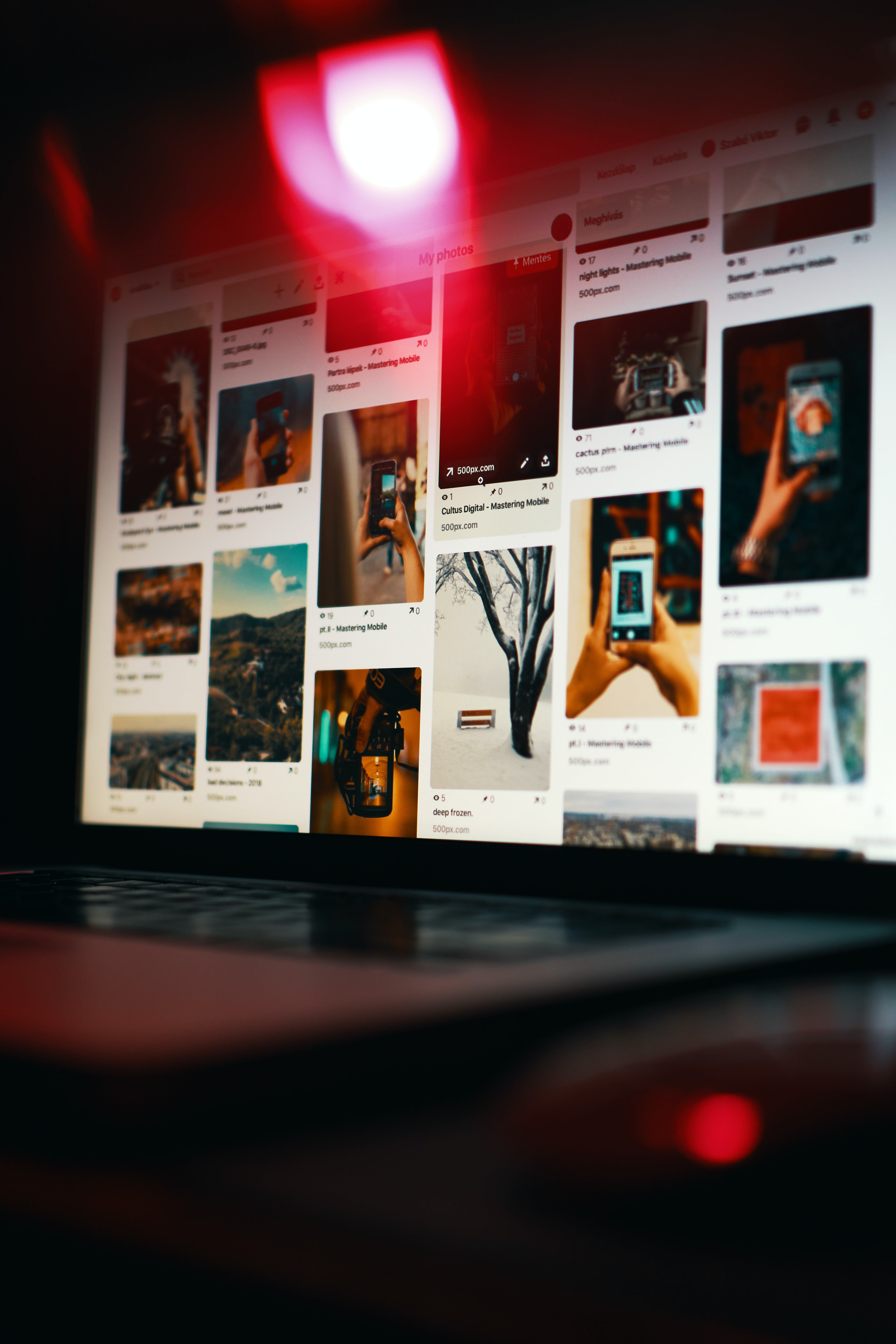
The emotional landscape of each platform reveals a deeper layer of why usage patterns differ. For example, Instagram often evokes feelings of happiness and anxiety. This mix explains why people keep returning to it: the platform offers quick emotional rewards, but also creates pressure and comparison loops that reinforce habitual engagement.
Meanwhile, platforms like LinkedIn tend to evoke more neutral, steady emotions, making them more functional and less emotionally taxing. In contrast, Twitter leans toward anger and anxiety, which can keep users engaged through emotionally intense content even if the experience isn’t always positive.
This emotional dimension helps explain not just how much time people spend on social media, but why the time feels so consuming. It sheds light on why certain platforms become more addictive, why specific age groups gravitate toward emotional “high-reward” apps, and why social media use often ends up replacing slower, calmer activities like reading. The emotions tied to each platform shape the quality of our engagement, not just the quantity, and that has real implications for attention, habits, and well-being.


Once I mapped emotions to platforms, I realized the real competition isn’t between reading and scrolling but it’s between calm focus and quick emotional hits.
Reading offers depth, stillness, and delayed reward. Social media offers speed, stimulation, and instant validation. And when these two modes of attention are placed side by side, the brain will almost always choose the path of least resistance. The one that gives more emotional payoffs faster.
This reframed my entire question. It wasn’t “Why am I not reading more?” but “What emotional needs am I unconsciously outsourcing to social media?”
Because every scroll is solving something: boredom, loneliness, curiosity, stress, the need to feel connected, the need to feel something right now. Books solve the same needs but they solve them slowly. That slowness is the point, but it's also the barrier.
This makes the challenge less about discipline and more about environment, habit loops, and emotional triggers.
If scrolling is the “quick hit” option, then reading doesn’t just need more time, it needs better conditions. It needs friction removed, rituals added, and emotional substitution made intentional.


My data shows something important...
A large share of people already use ebooks and audiobooks.
That means the desire to read is there. People are reaching for the formats with the least friction that can be incorporated into their daily busy lives.

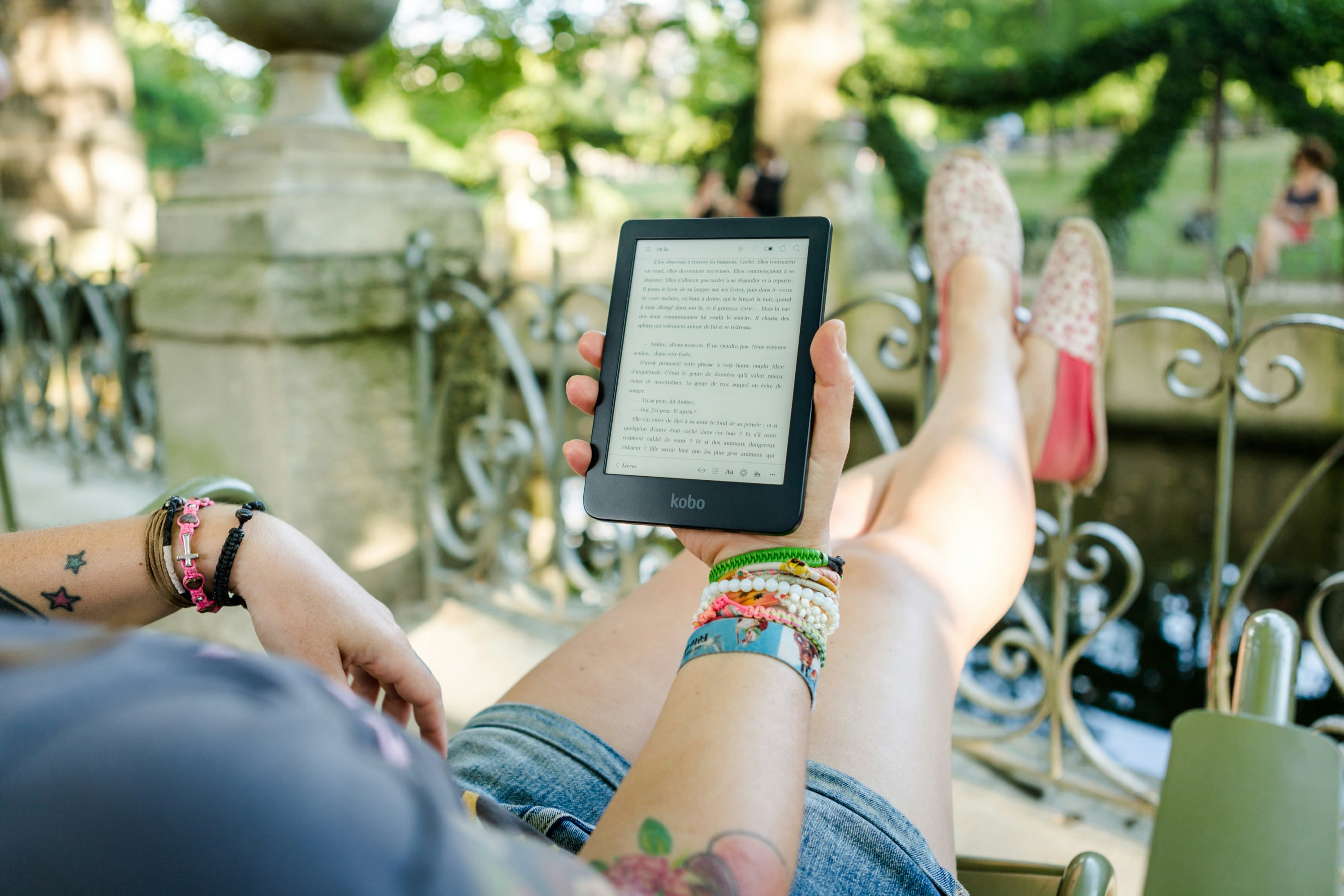
kokkok
ijojokj
wwww
The real battle isn’t between books and apps, it’s between calm focus and instant hits.
By lowering the friction to read through ebooks and audiobooks, we can make focus feel just as easy as scrolling.


Photo by ameenfahmy on Unsplash
Photo by ameenfahmy on Unsplash
How do we lower this friction?

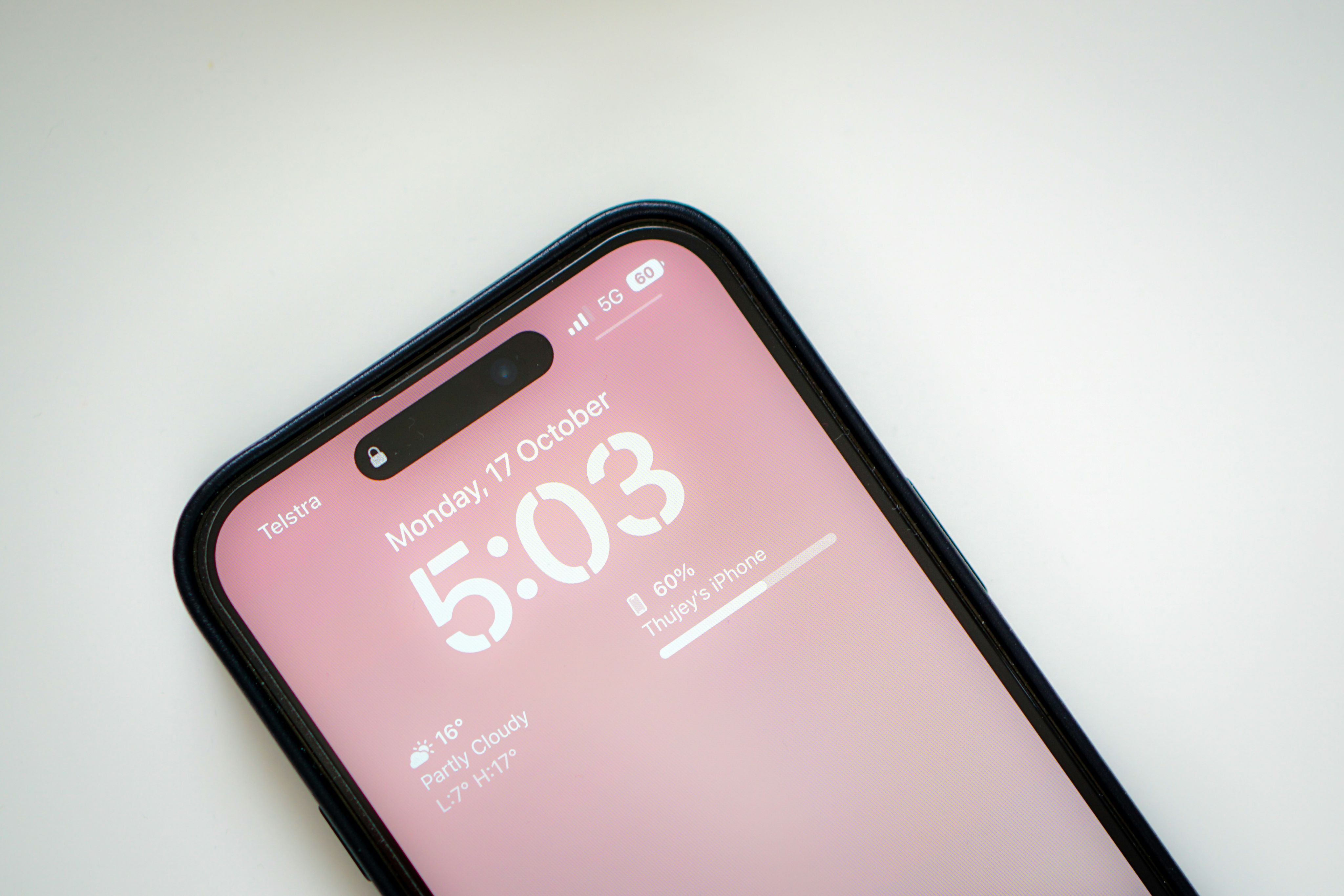
Photo by Thujey Ngetup on Unsplash
Photo by Thujey Ngetup on Unsplash
Make Reading One Tap Easy
- Add a widget that shows your current book constantly
- Put your ebook/audiobook app on your phone’s home screen
- Remove social apps from the first page (or hide them in folders)
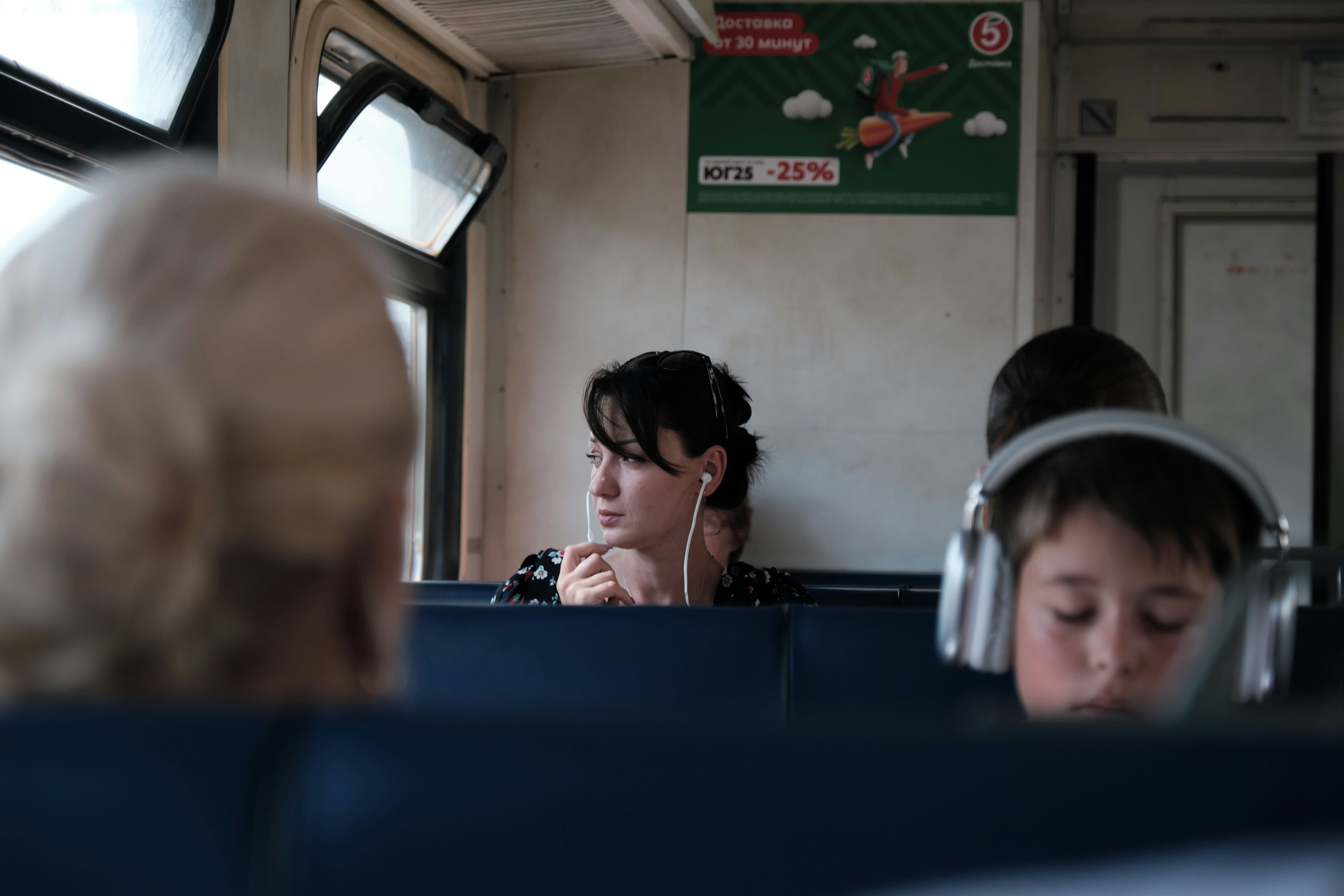
Photo by Pavel Boltov on Unsplash
Photo by Pavel Boltov on Unsplash
Pair Reading with Existing Habits
- Listen to audiobooks during commutes, chores, or workouts
- Read 2–3 pages whenever you sit down with your coffee or tea

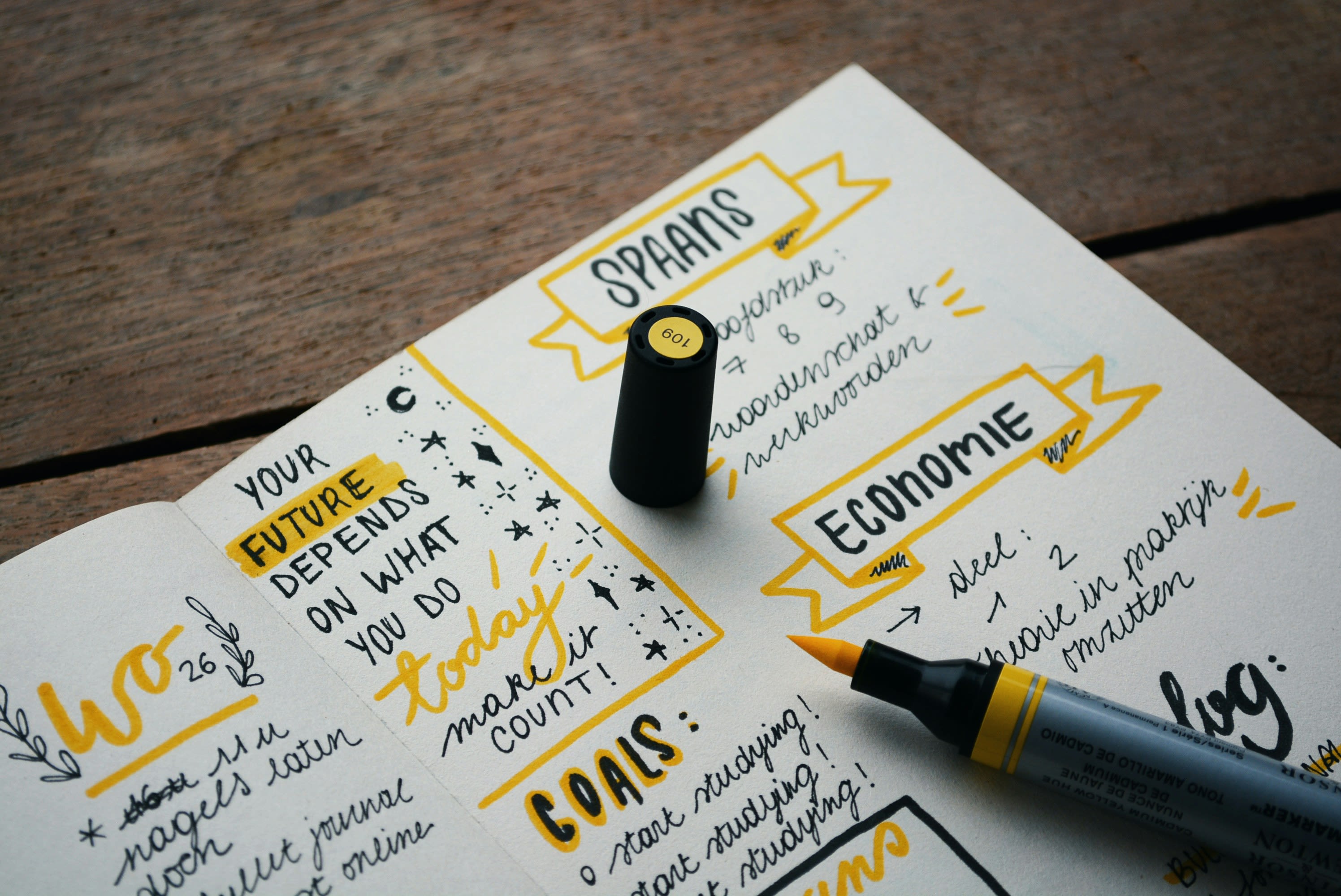
Photo by Estée Janssens on Unsplash
Photo by Estée Janssens on Unsplash
Using Micro Goals is the Key
- “Read 20 minutes a day.”
- “Two chapters a week.”
- “One audiobook a month.”


And yes, distractions will still happen. But if reading becomes the easiest “next option” instead of the hardest one, then even a distracted mind has somewhere meaningful to land.


References
- Emirhan BULUT. (2024). Social Media Usage and Emotional Well-Being [Data set]. Kaggle. https://doi.org/10.34740/KAGGLE/DSV/8460631
Gote, V. (2020). - Reading Habit Dataset [Data set]. Kaggle. https://www.kaggle.com/datasets/vipulgote4/reading-habit-dataset
Perrin, A., & Faverio, M. (2022, January 6). - Three-in-ten Americans now read e-books. Pew Research Center. https://www.pewresearch.org/short-reads/2022/01/06/three-in-ten-americans-now-read-e-books/
- Berens, K. I., & Noorda, R. (2023, November). Gen Z and Millennials: How they use public libraries and identify through media use (Report). Portland State University / American Library Association
 Built with Shorthand