
IP Laws & the Information Economy
How IP laws help, and sometimes hurt, developing economies (and what universities can do to help)


What is the Information Economy?
We live in a new economic era governed by new rules.
In the modern information economy, knowledge, rather than physical resources, is the primary raw material and source of value. [1]
The goods of the information economy include such things as digital copy media, scientific research, and life-saving medicines.
...And of course, data – “the oil of the 21st century.”


Source: Tomorrow Today Global
Source: Tomorrow Today Global


Source: The Economist
Source: The Economist

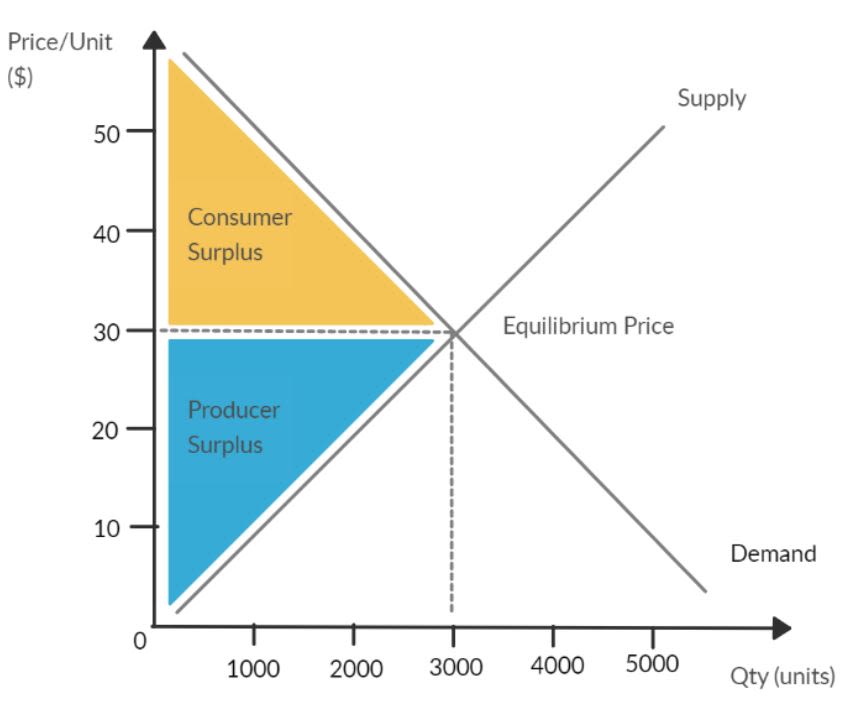


The Economics of Information
The economics of information-based goods is strange, presenting both opportunities and challenges.
With traditional goods like apples and refrigerators, the forces of supply and demand coerce producers to set prices equal to the marginal cost.
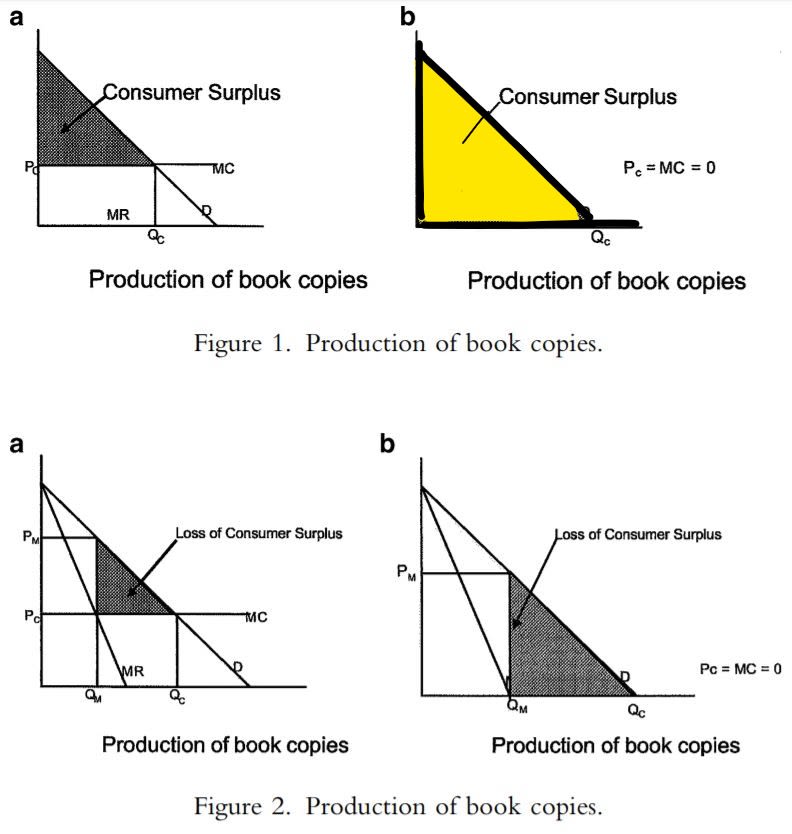
In an information-based economy, however, there are many valuable goods that cost nothing to reproduce, and thus have a marginal cost of $0.
Opportunities
The fact that so many goods can be reproduced and distributed at effectively no marginal cost means that there is a lot of room for increasing consumer surplus through sharing.
A prime example is open data.
McKinsey and Company estimates that open data could unlock between $3.2-5.4 billion annually across just 7 sectors of the economy.
Challenges
However, this situation creates a dilemma for the producers of these goods.
Many economists believe that pricing information-based goods equal to their marginal cost (as is typical in a competitive market) will remove any incentive companies have to create those goods in the first place.
Intellectual Property Laws
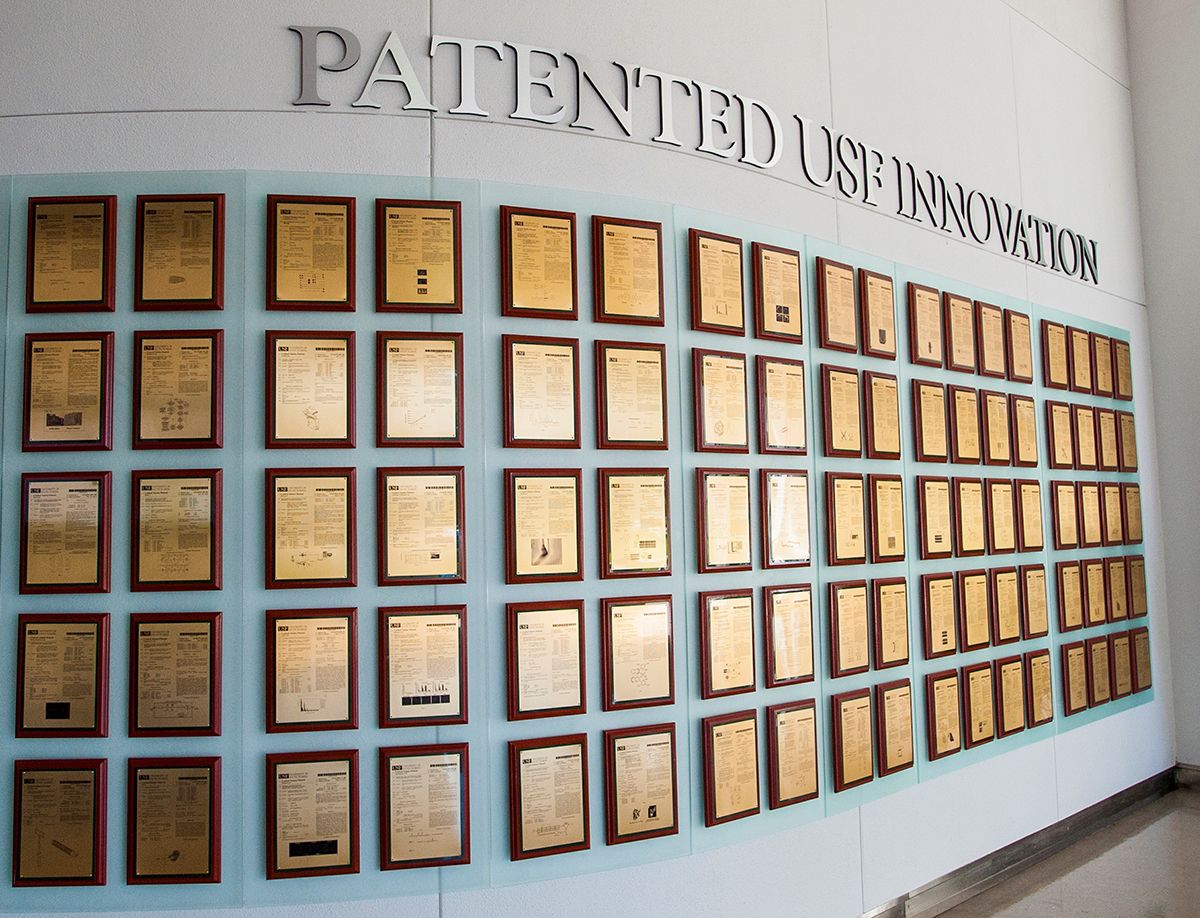
The answer to this problem has been intellectual property laws – patents, copyrights, and other protections that limit the extent to which others can use, reproduce, or otherwise benefit from the innovations of others.
Studies find that IP protections can help boost economic growth in developing countries by encouraging foreign investment and technology transfer.


IP Laws and the Economics of Information
When IP protections are strong, surplus concentrates on the producer side of the equation, simulating a monopoly.
In contrast, when IP protections are weak, surplus concentrates on the consumer side of the equation (Figure 1b).
Anywhere in between these two extremes creates inefficiencies in the market.


The Solution
Universities can help reconcile this divide by adopting open data policies.


Source: The Hamilton Project, Brookings Institute
Source: The Hamilton Project, Brookings Institute
A study by the Brookings Institution's Hamilton Project found that patenting is highly concentrated in metropolitan areas and near research universities.
Since the passage of the Bayh-Dole Act in 1980, an increasing number of these patents are owned by universities themselves.
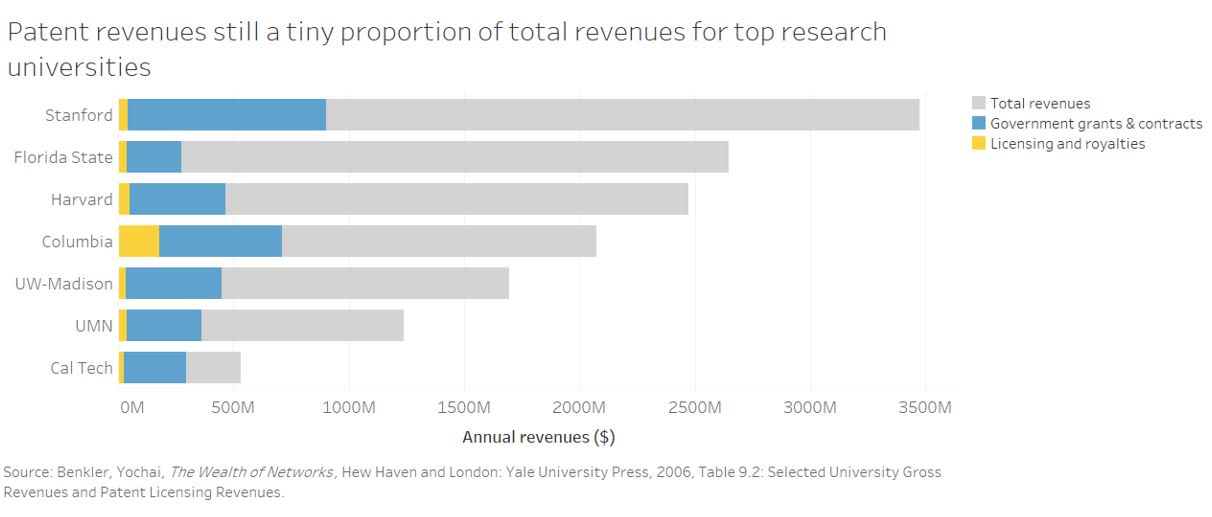
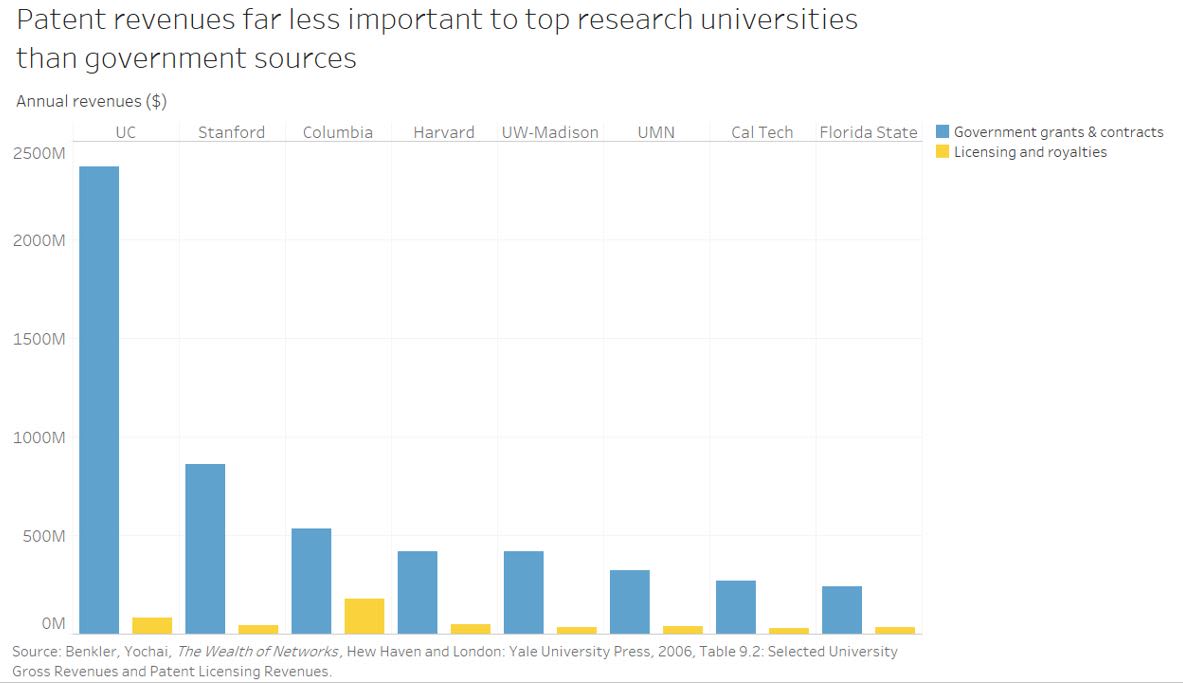
Despite this fact, however, patents continue to represent a relatively insignificant proportion of total revenues for even top research universities.
At the same time, more and more big public and private donors are conditioning their funding to universities on them making the resulting research and data open to the public.
This means that while universities may be legally entitled to profit from its innovations, it may not always be in the universities' best interest to exercise that right.



Call to Action
As Yochai Benkler notes in The Wealth of Networks, "Universities are not generally profit seeking enterprises and university scientists are not primarily driven by a profit motive."[2]
To best fulfill their mission of public service, universities should lower the protections surrounding the data and other information-based goods they produce.


Photo Credits
(In order of appearance)
1) Stages of economic development. Source: Bangkok University
2) Competitive Advantage through the Economic Eras. Source: Tomorrow Today Global
3) Oil of the 21st century. Source: The Economist
4) Wall of patents. Source: University of South Florida
5) Economic analysis of 0$ MC goods. Source: Lewin, Peter, "Creativity or Coorecion: Perspectives on Rights to Intellectual Property," University of Texas at Dallas, 2007.
6) Patenting is Concentrated in Cities and Near Universities. Source: The Hamilton Project, Brookings Institution
7) University closing photo. Source: University of Maryland School of Public Policy
Works Cited
[1] "Information Economy." Business Dictionary. http://www.businessdictionary.com/definition/information-economy.html
[2] Benkler, Yochai. The Wealth of Networks. London and New Haven: Yale University Press. 2006.
Telling Stories With Data
Fall 2019