How to Turn the Tables on Food Waste
A Global Feast for Thought


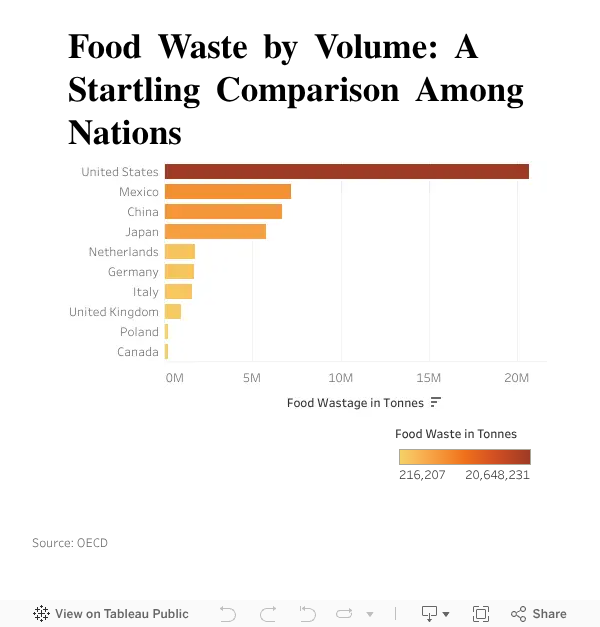
Food wastage is a worldwide problem that impacts industrialized and developing countries regardless of borders, cultures, or economic disparities. Although there have been notable improvements in agricultural technology and distribution systems, a substantial quantity of food produced globally goes to waste, resulting in serious social, environmental, and economic consequences.
Approximately 1.3 billion metric tons of food produced for human use is lost or wasted globally each year, which accounts for around one-third of all food produced, according to the Food and Agriculture Organization (FAO) of the United Nations.
This excess could support more than 2 billion people, exceeding the total number of undernourished individuals globally.
Abundance in Food Production

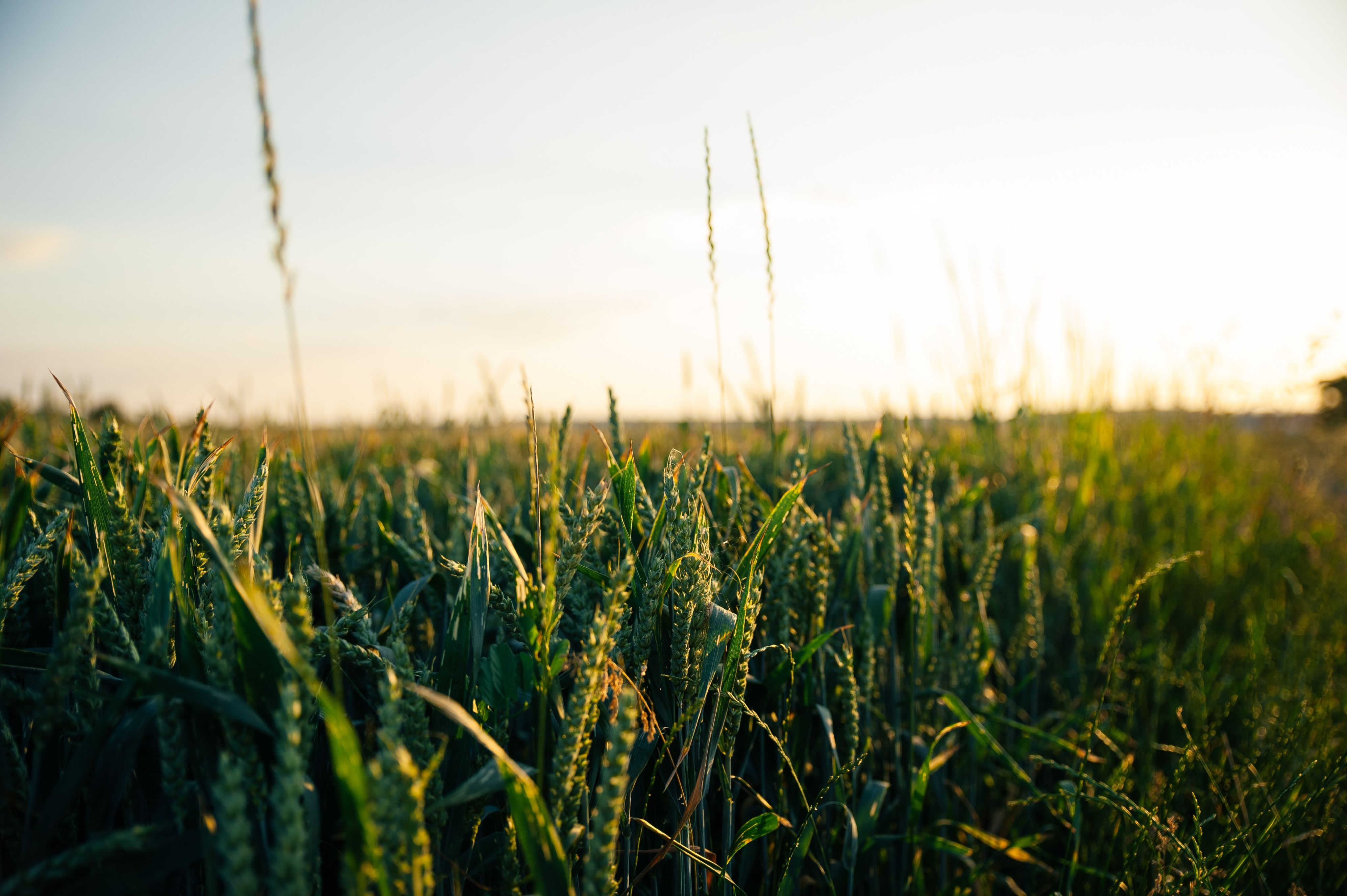

The global food production system demonstrates human ingenuity and originality, ensuring a sufficient food supply to support the world's population. Food production takes place on a large scale, encompassing extensive agricultural fields and advanced indoor farms, to meet the varied nutritional requirements and preferences of billions of people globally.
Contemporary agriculture has the ability to grow a wide range of crops and livestock in many climates and environments. Farmers have been able to increase crop yields and grow crops in formerly inhospitable places due to advancements in plant breeding, crop rotation, and irrigation. Advancements in animal care and veterinary medicine have improved productivity and efficiency in livestock farming.


Photo by Tim Mossholder on Unsplash
Photo by Tim Mossholder on Unsplash
The Paradox of Plenty
Tackling the Challenge of Food Waste Along the Supply Chain

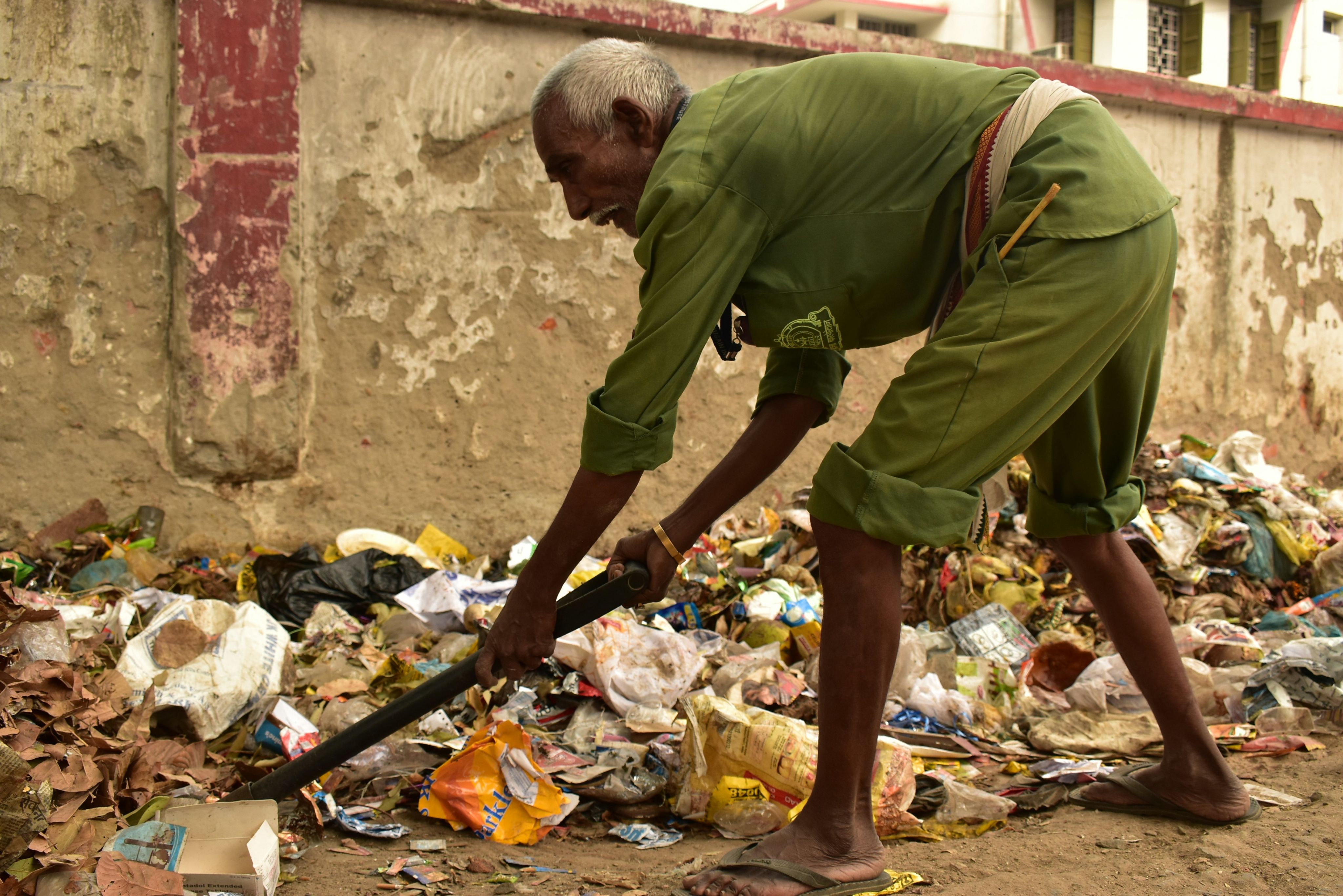


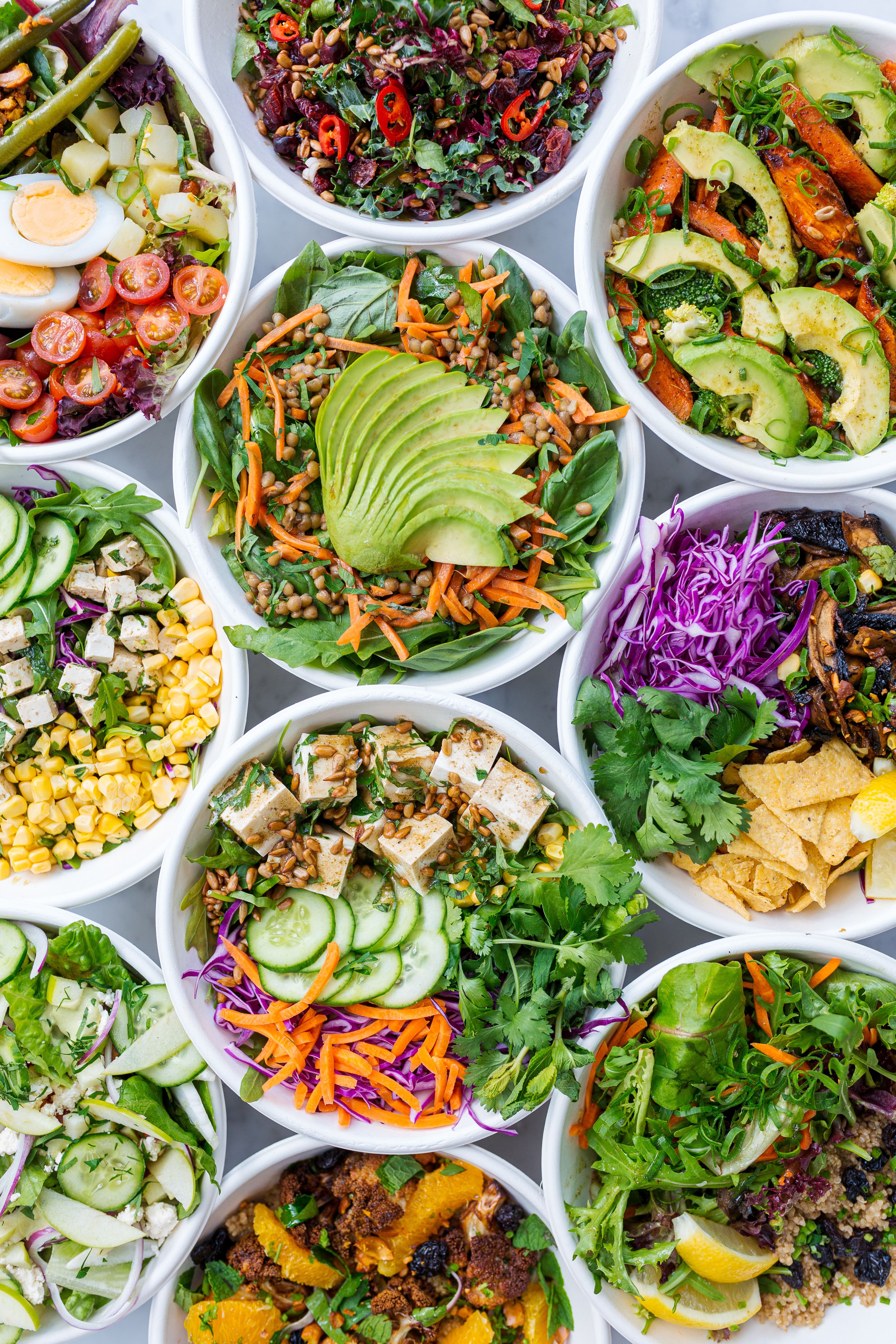
Photo by Luisa Brimble on Unsplash
Photo by Luisa Brimble on Unsplash

Although there is abundant worldwide food production, a significant amount is wasted at several stages of the food supply chain, including cultivation, harvest, distribution, retail, and consumption.
Comprehending the root reasons is crucial for enacting effective strategies to reduce food waste and advance sustainability.
The primary reasons leading to food waste are inefficiencies in farming operations and harvest procedures. Crops are often left unused or thrown away in many areas because of factors like overproduction, unstable market prices, and lack of manpower. Poor infrastructure and storage facilities result in post-harvest losses, causing perishable products such as fruits, vegetables, and cereals to decay before reaching markets.
The distribution and retail sectors make a substantial contribution to food waste. Supermarkets often refuse substandard produce, resulting in the unnecessary destruction of edible things. Food service establishments may prepare or order too many ingredients, leading to excess food that is uneaten and ultimately squandered. Additionally, customer preference for cosmetically perfect produce leads to wastage, since things that do not match cosmetic criteria are frequently thrown away.
Consumer-level food waste is influenced by variables such as inadequate storage, overbuying, and misunderstanding of food labels. Many people lack an understanding of correct perishable item storage, resulting in early spoiling. Moreover, purchasing items in large quantities and making impulsive buys can lead to surplus food that remains unused. Misinterpretations of food labeling words like "best before" and "use by" dates lead to more wasteful disposal of perfectly edible foods.
The Ripple Effect
Environmental, Economic, and Social Costs of Food Waste

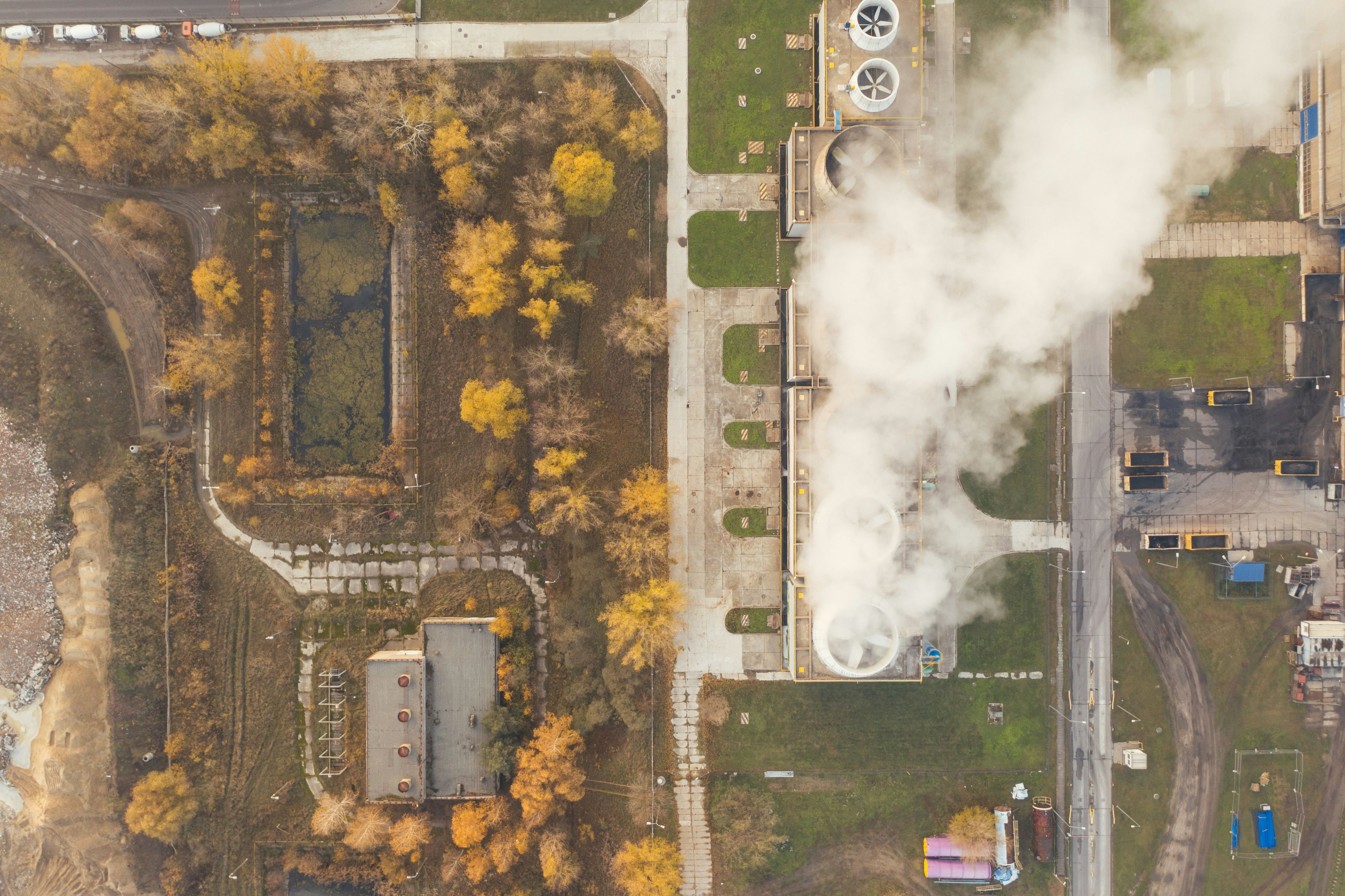
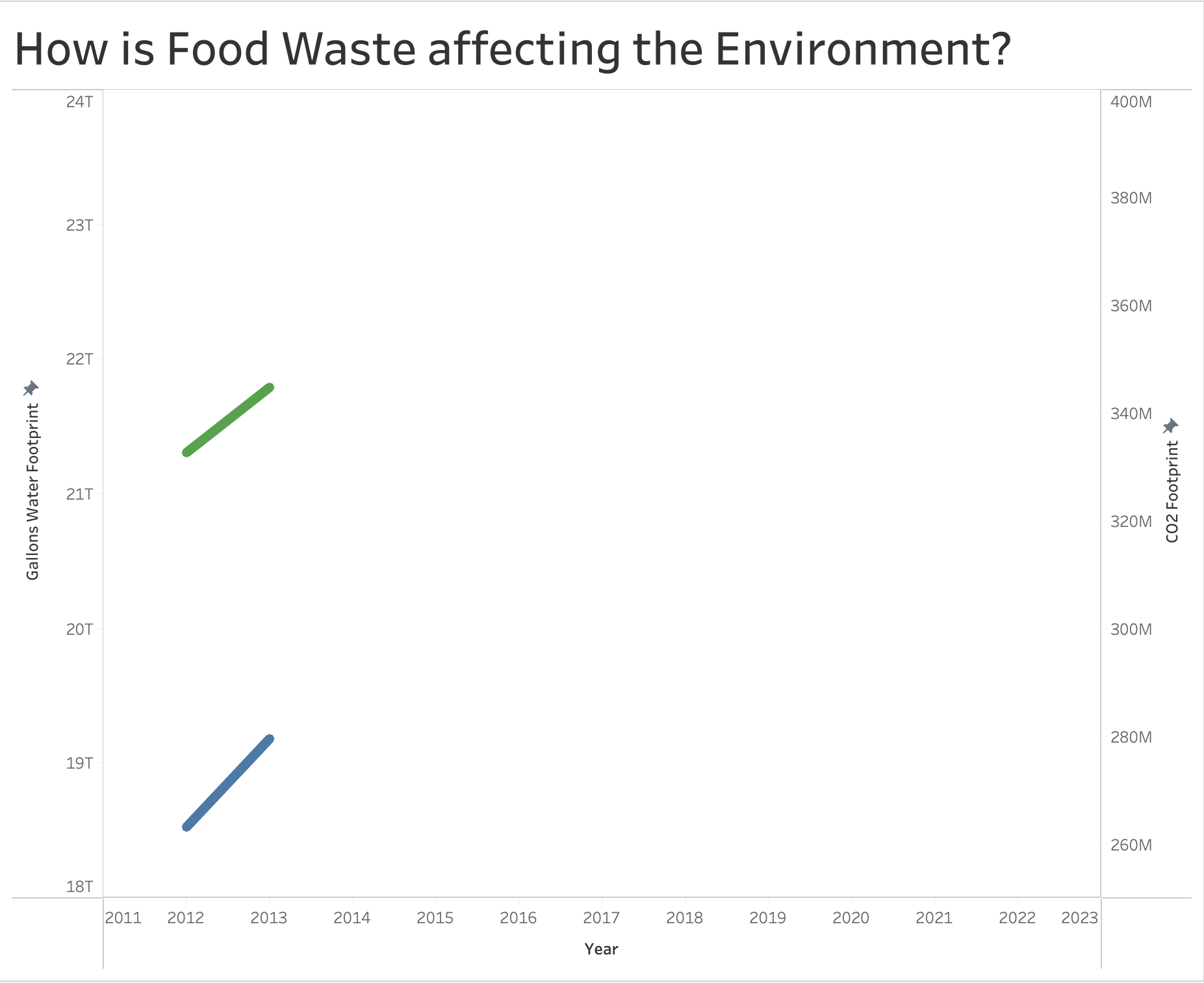
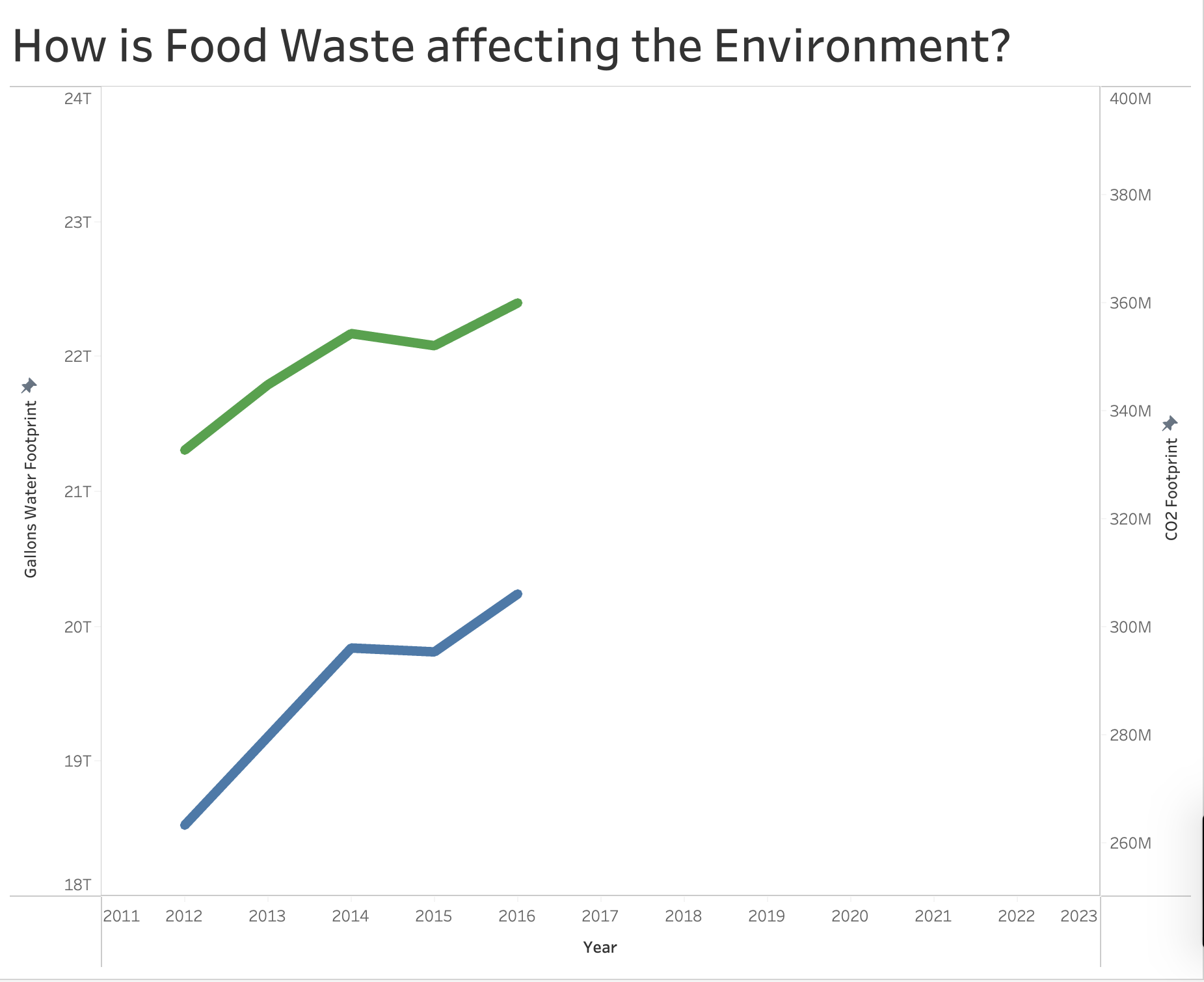
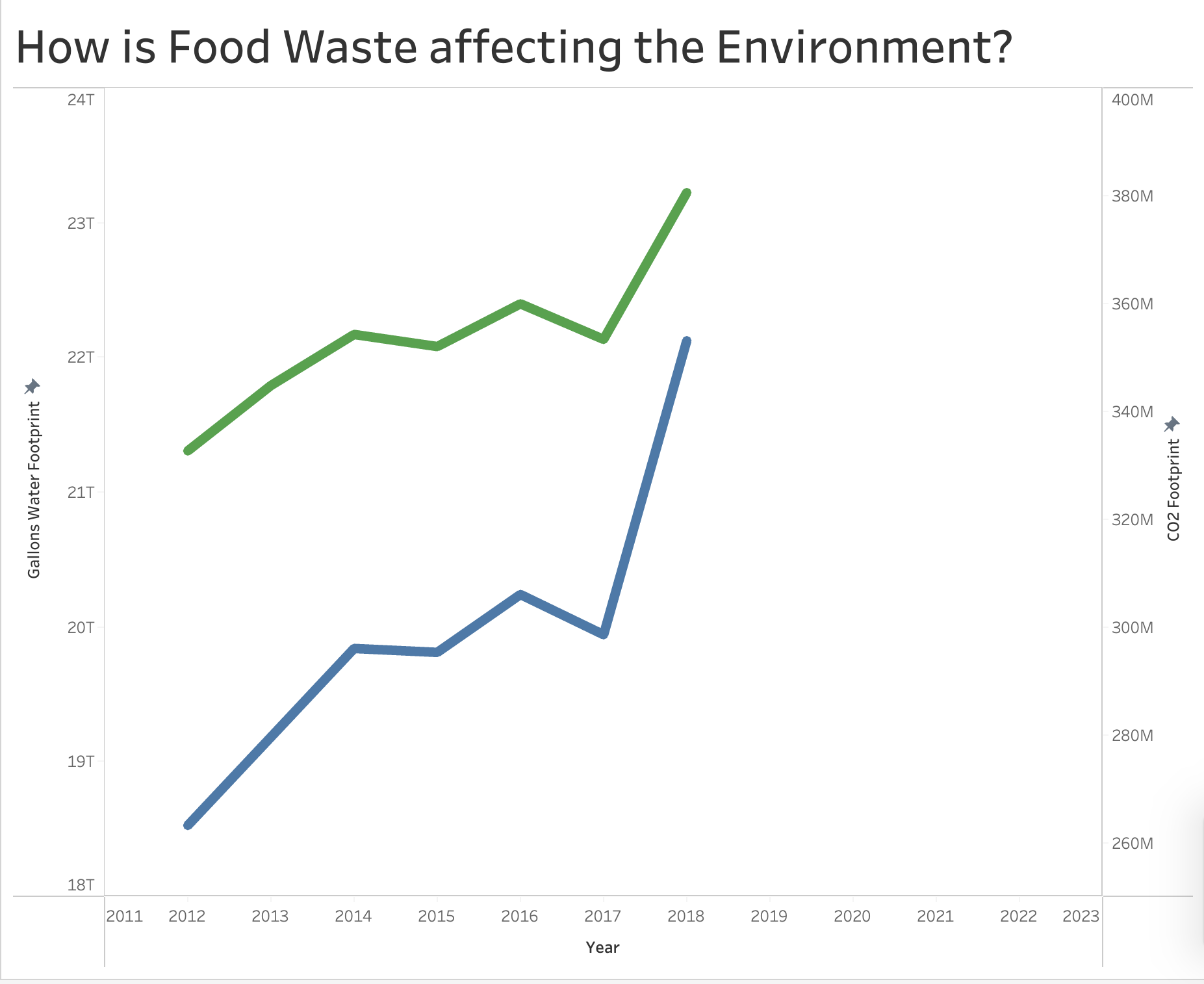
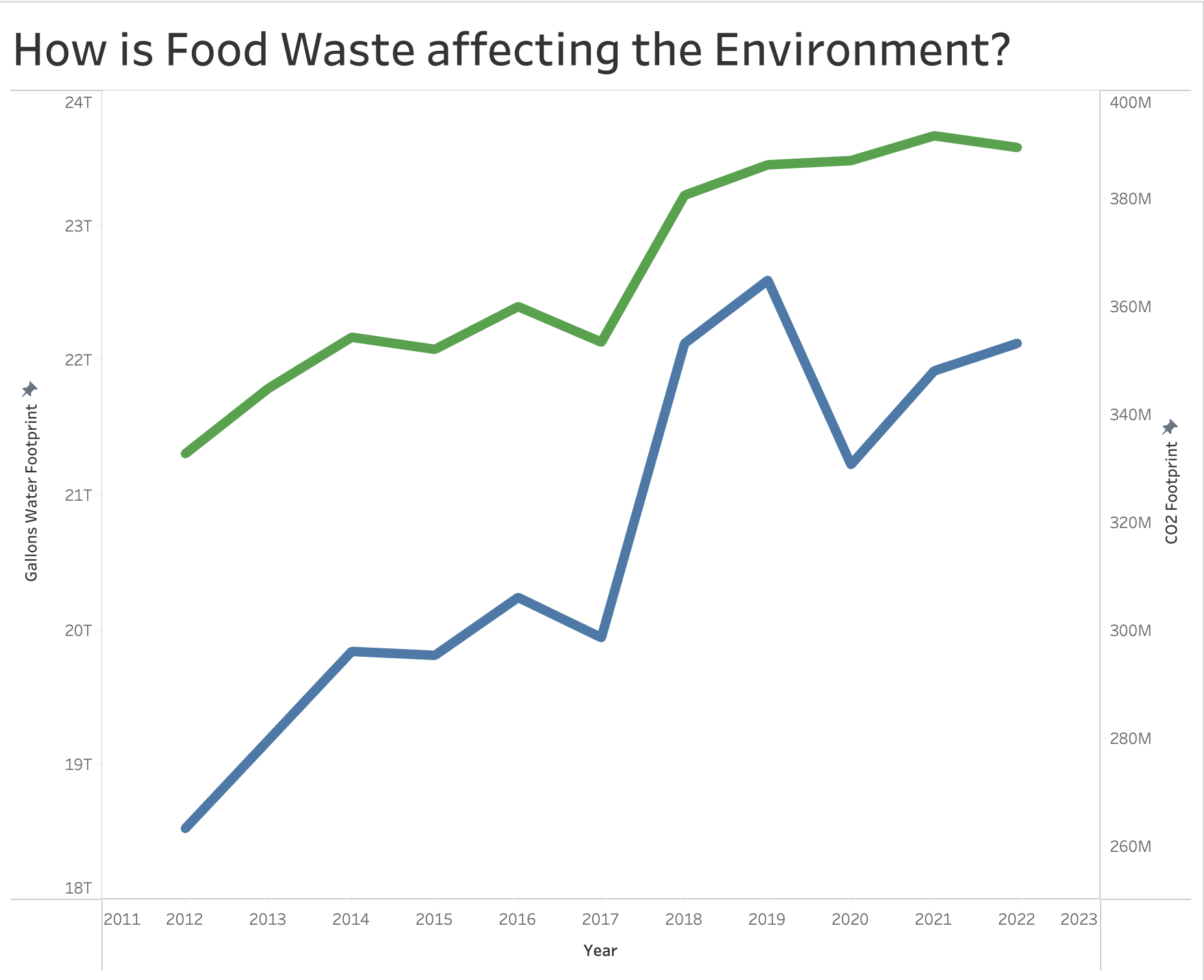
Food wastage has a significant environmental impact by wasting important resources such as water, energy, land, and labor, and increasing strain on the planet's limited resources.
Moreover, the breakdown of food waste in landfills produces methane, a powerful greenhouse gas that contributes to climate change. Food wastage is the third-largest source of greenhouse gas emissions worldwide, after the United States and China.
Food wastage exacerbates social and economic inequalities, in addition to its environmental impact.
Wasting edible food is morally wrong in a world where millions suffer from hunger and malnutrition.
It signifies missed chances to reduce hunger and hinders progress toward attaining food security and reducing poverty.
Moreover, the economic impact of food waste is substantial, resulting in billions of dollars lost each year in production, shipping, and disposal costs.
All images via Unsplash




Crafting Solutions
Pathways to Reducing Food Waste


Food waste is a complex issue that needs prompt attention. By recognizing the magnitude of the issue, comprehending its underlying reasons and outcomes, and dedicating it to cooperative resolutions, we may establish a more sustainable and fair food system for future generations.
Although addressing food waste may seem daunting, individuals have the ability to make significant changes via their daily decisions. People may help reduce food waste and promote a sustainable food system by practicing conscious consumption, supporting food recovery initiatives, and pushing for systemic changes.
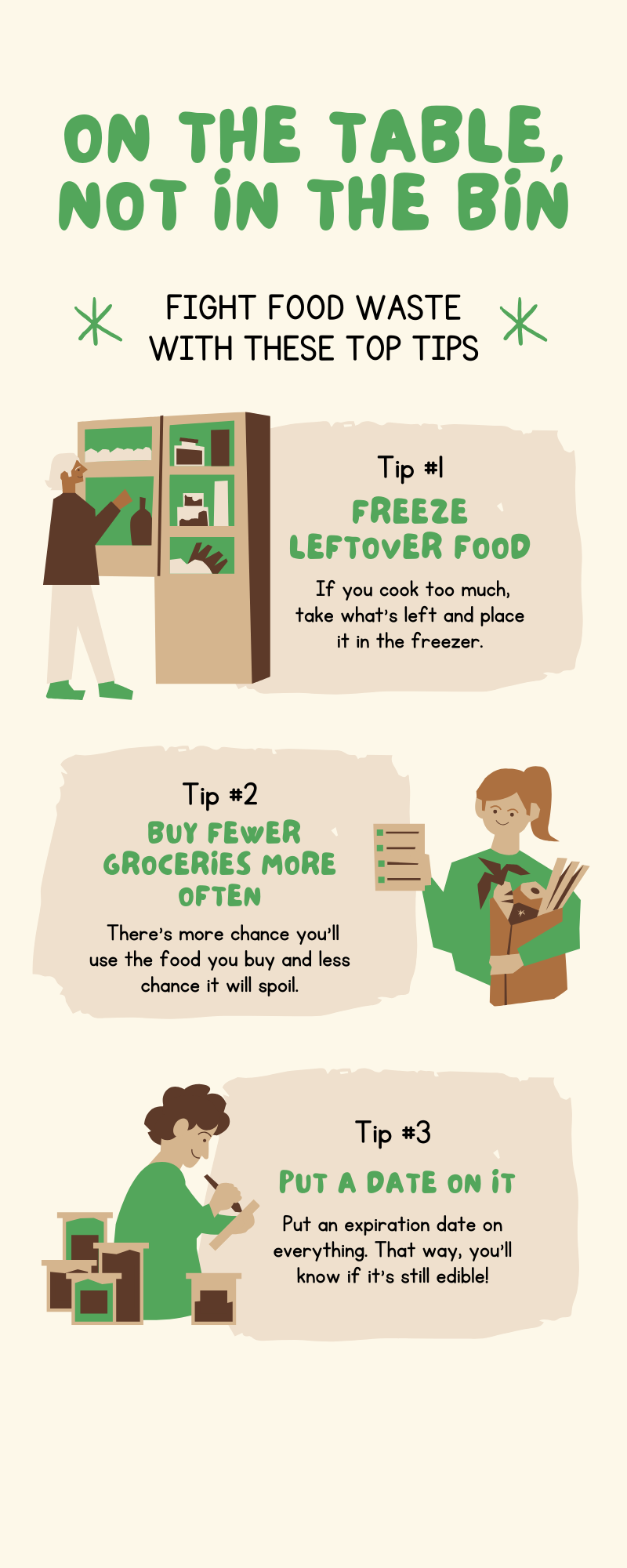
Mindful Consumption: Individuals can greatly decrease food waste by practicing mindful consumption behaviors, such as:
Meal Planning: Allocate time to premeditate meals to prevent excessive purchasing and reduce waste.
Properly store perishable foods such as fruits, vegetables, and leftovers to extend their freshness.
Practice creative reuse by repurposing leftovers instead of throwing them away.
Portion Control: Serve correct portion amounts to reduce food waste.

How you can help
412 Food Rescue
412 Food Rescue is a community-wide effort to end hunger and reduce food waste. An organization that works solely on surplus food that may otherwise be wasted.
Greater Pittsburgh Community Food Bank
Greater Pittsburgh Community Food Bank primarily collects, warehouses and distributes food to front-line organizations like food pantries and soup kitchens.

Waste No Food
As a Waste No Food volunteer, you can help us expand by signing up new food donors and charities, or you can help deliver thousands of meals to charities serving the hungry.
References
Dou, Z., Ferguson, J. D., Galligan, D. T., Kelly, A. M., Finn, S. M., & Giegengack, R. (2016). Assessing US food wastage and opportunities for reduction. Global Food Security, 8, 19-26.
Pandey, A. (2021). FOOD wastage: causes, impacts and solutions. Science Heritage Journal, 5(1), 17-20.
Biswas, A. K., Kastner, M. J., & Tortajada, C. (2015). Reducing food wastage: Not just food for thought. Retrieved December, 11, 2015.
Hall, K. D., Guo, J., Dore, M., & Chow, C. C. (2009). The progressive increase of food waste in America and its environmental impact. PloS one, 4(11), e7940.

 Built with Shorthand