
From Home to Here:
How food tells the story of an African student abroad



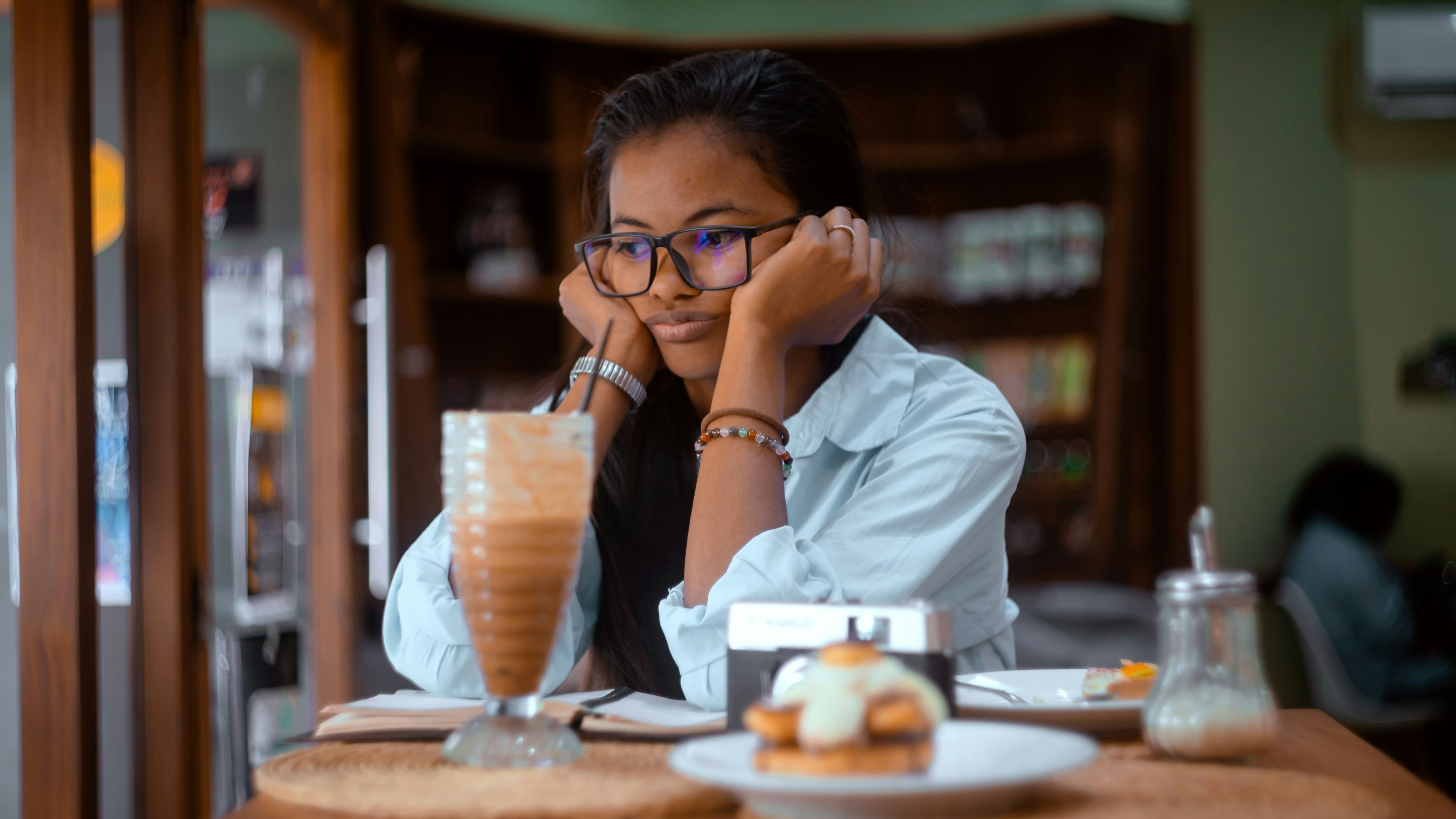
A Kenyan student’s food journey at CMU - from disorientation to adaptation to institutional advocacy
Food was never just food for me.
Back home in Kenya, it was routine. Comfort. The smell of home before I even sat down. At CMU, it became something else - a signal. A test. A quiet measure of whether I belonged.
This is not a story about missing one meal.
It is a story about what happens when your body, your budget, and your sense of self all land in a new place at the same time.
Chapter 1: Arrival

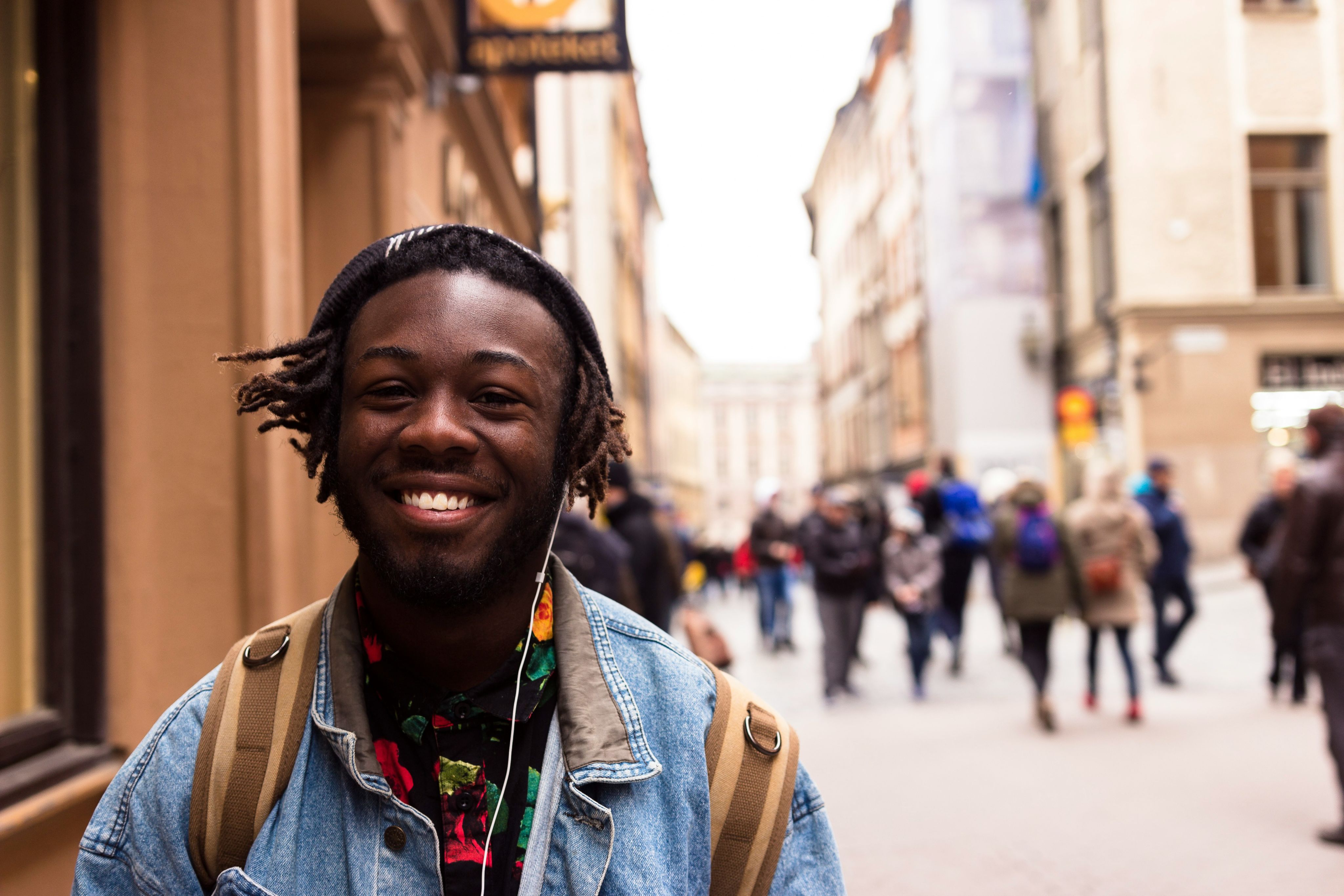

I arrived in Pittsburgh in January 2026, flying in from Kigali, Rwanda. I am originally from Kenya.
I did not know then that the hardest adjustment would not be the weather or the workload. It would be the food.
Over 65,000 African students are studying in the US right now. This is one of their stories.
Chapter 2:
The Cost Reality

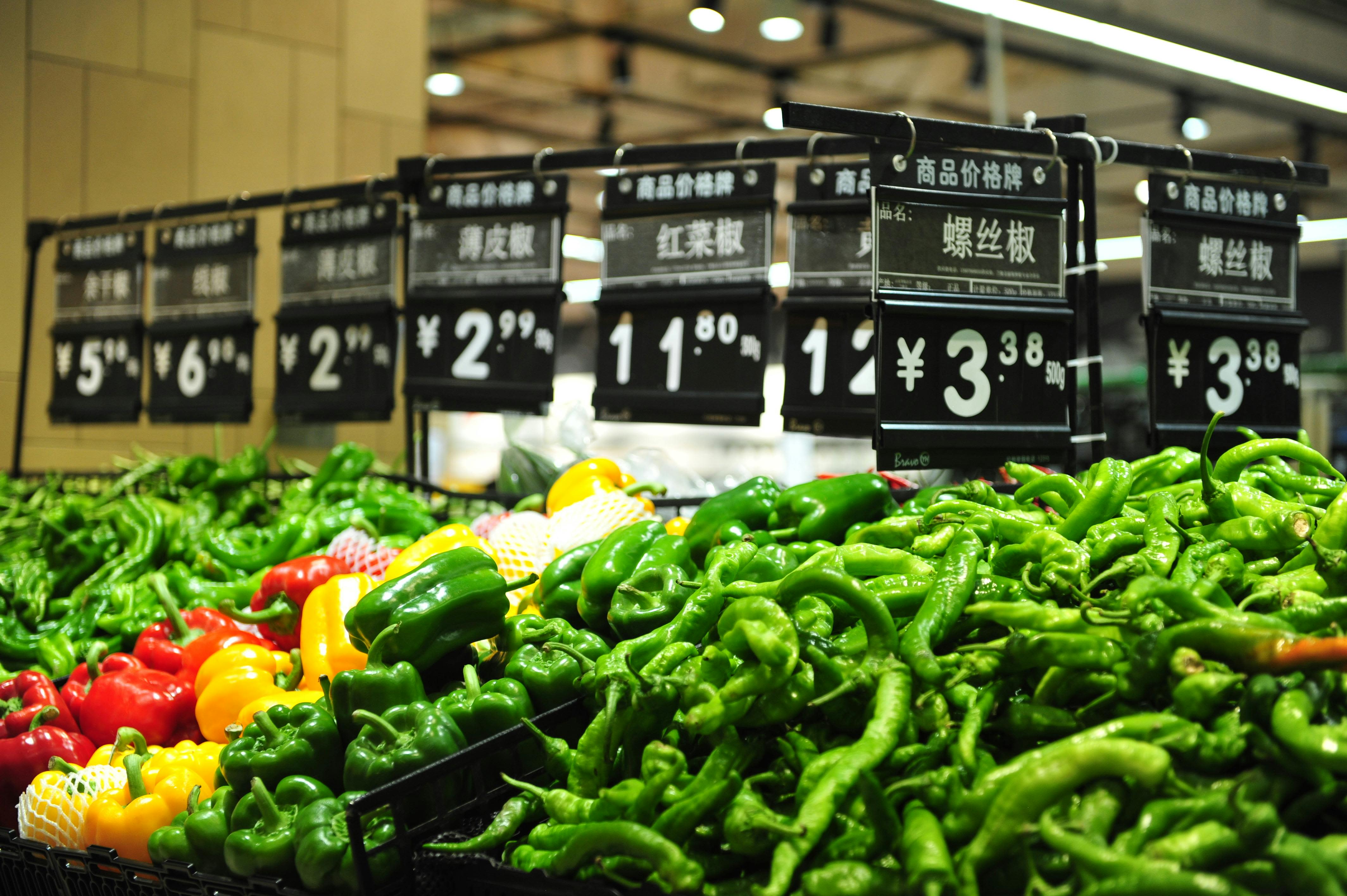
The money part hit fast.
In Kenya, I knew what a reasonable grocery basket looked like. At CMU, I had to relearn that from scratch. A few basics cost more than I expected, and that changed everything - what I bought, how often I cooked, and whether I could afford the foods that felt normal to me.

I started making trade-offs I had never made before. Fresh produce or something filling. Familiar ingredients or cheaper substitutes. A full week of meals or stretching what I had.
That is what food insecurity can look like for international students. Not always empty shelves. Sometimes just constant calculation.

Chapter 3:
What Is Missing



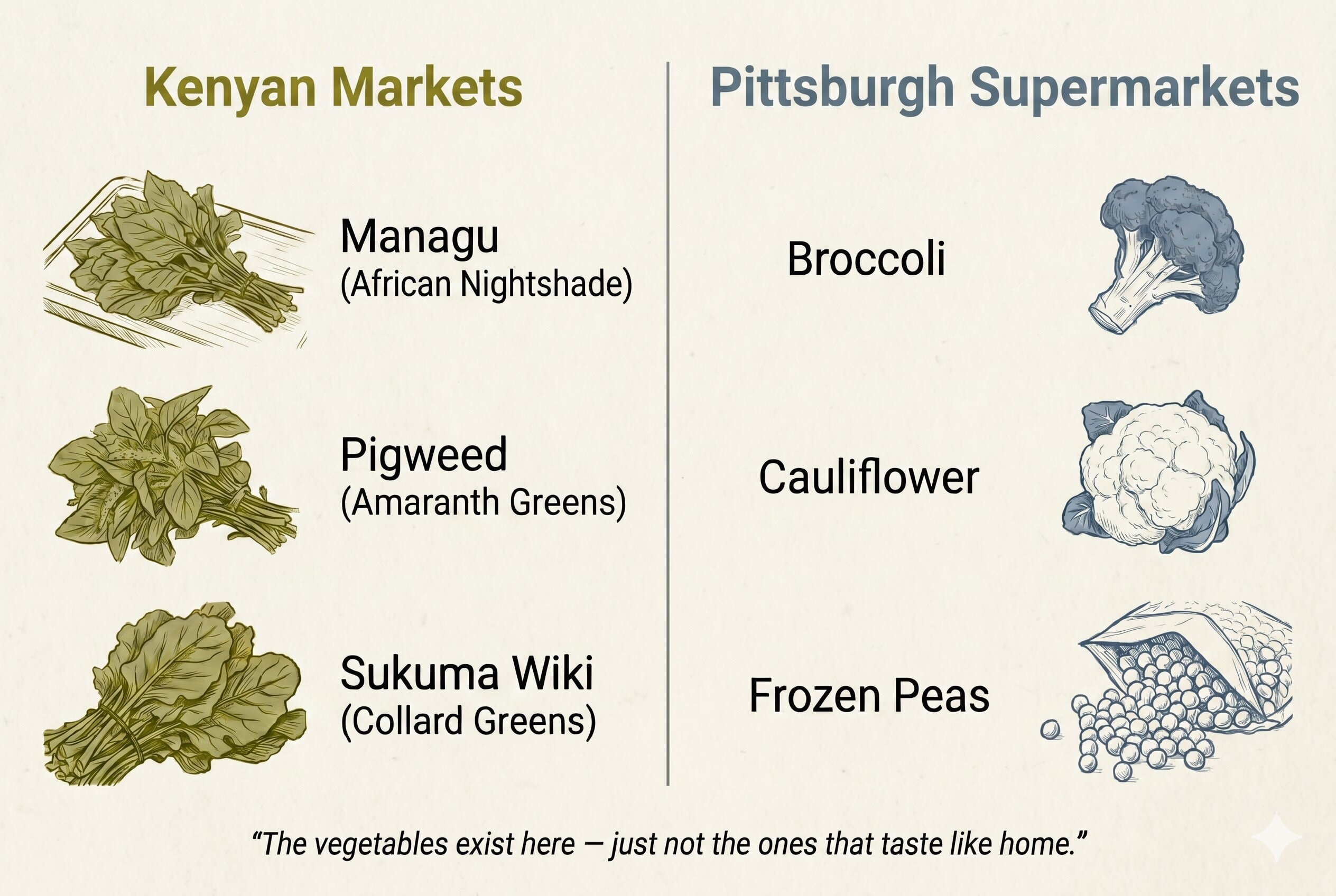
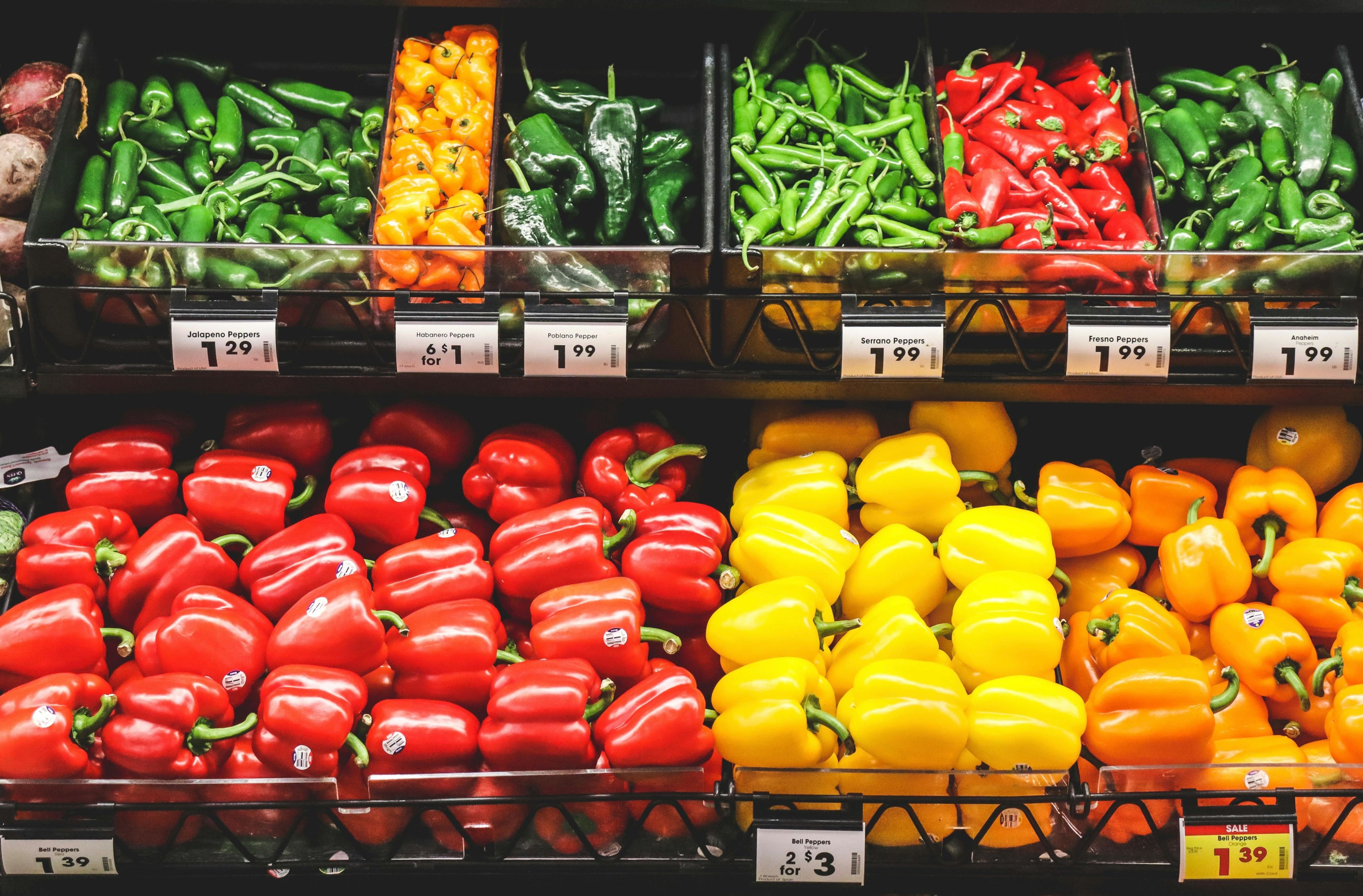
Kenyan markets vs Pittsburgh supermarkets. The vegetables exist here — just not the ones that taste like home.
Kenyan markets vs Pittsburgh supermarkets. The vegetables exist here — just not the ones that taste like home.
What was missing was not only ingredients. It was context.
Back home, food came with a rhythm I did not have to explain. Here, I had to translate everything - what I wanted to eat, where to find it, how to afford it, and why it mattered. That translation was tiring. It made me feel oddly visible and invisible at the same time.
“When you cannot eat like yourself, you start wondering whether you are allowed to belong like yourself.”
Food was not only about hunger. It was about identity. It was about memory. It was about whether the institution around me could see the full student, not just the academic one.
Chapter 4:
Learning to Adapt

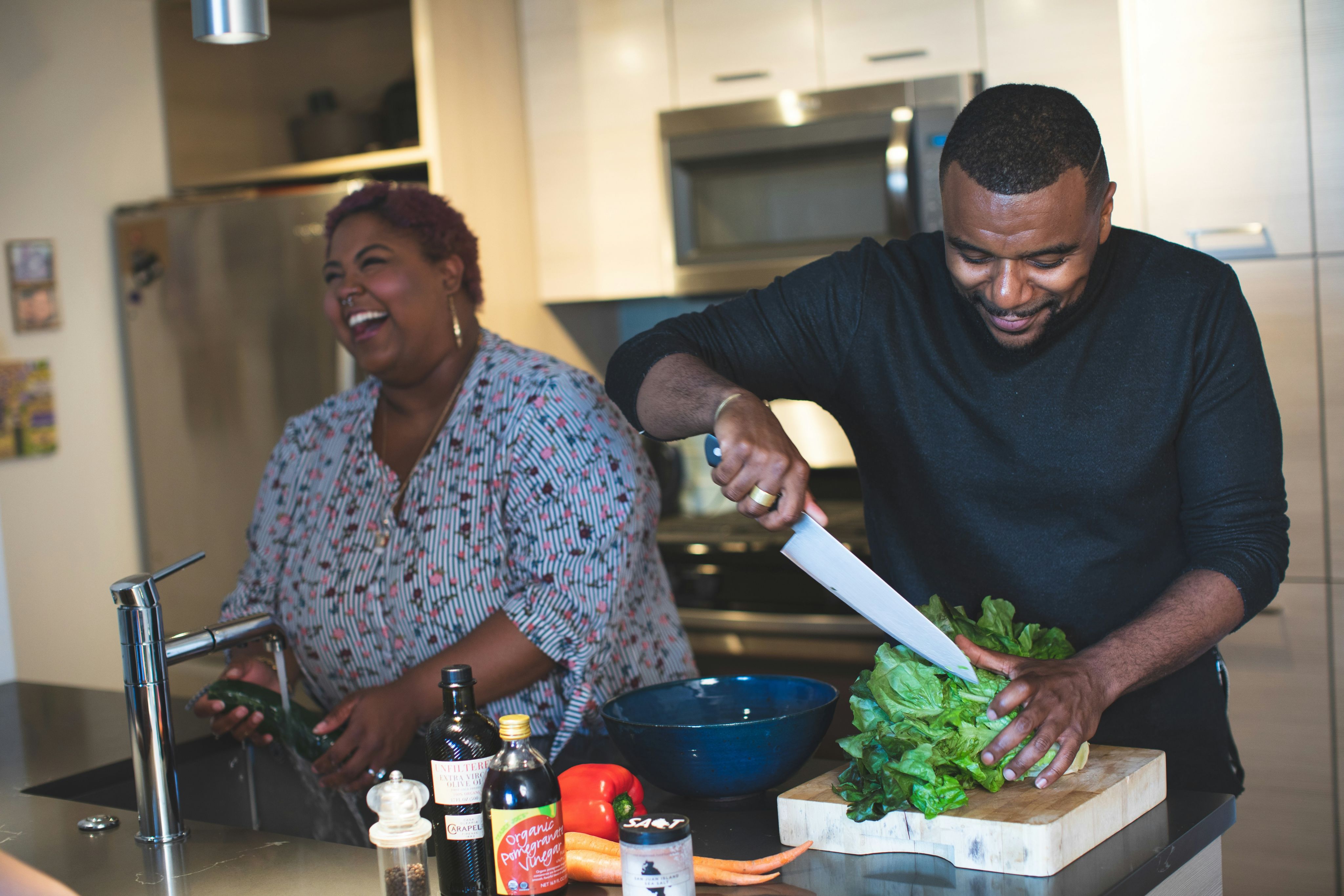
So I adapted.
I learned which stores had the closest substitutes. I learned how to cook differently. I learned how to stretch meals without losing my mind. I learned that adaptation is not the same as ease.
Some days I was proud of how resourceful I had become. Other days I was tired of being resourceful.
But adaptation also taught me something important: students do not just “adjust” on their own. We adjust because we have to. And when many of us are making the same adjustments in silence, that is not just a personal story. That is an institutional one.
Food is where practical life and emotional life meet. If universities want international students to thrive, they have to notice that intersection.





Chapter 5:
Call to Action

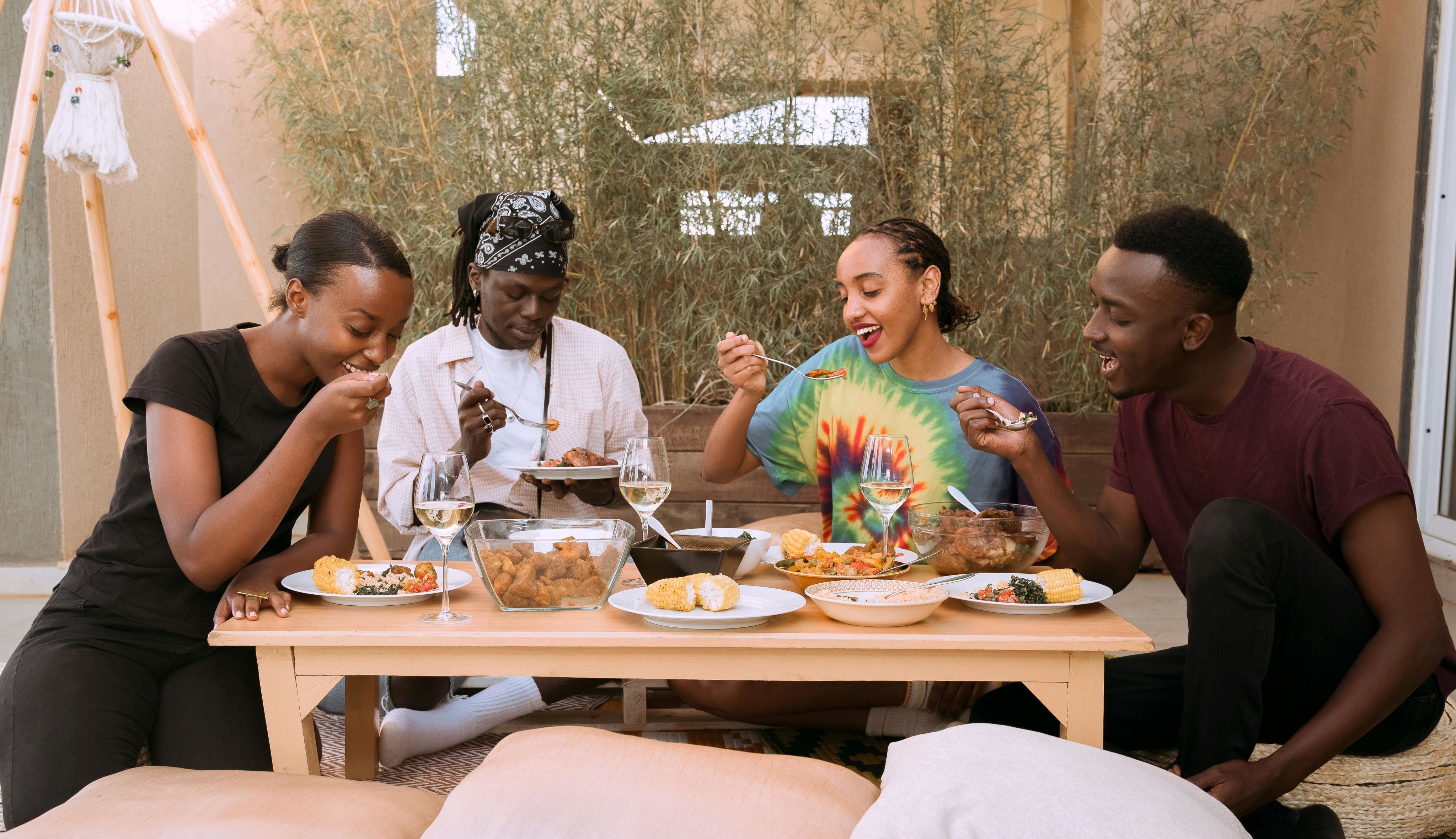

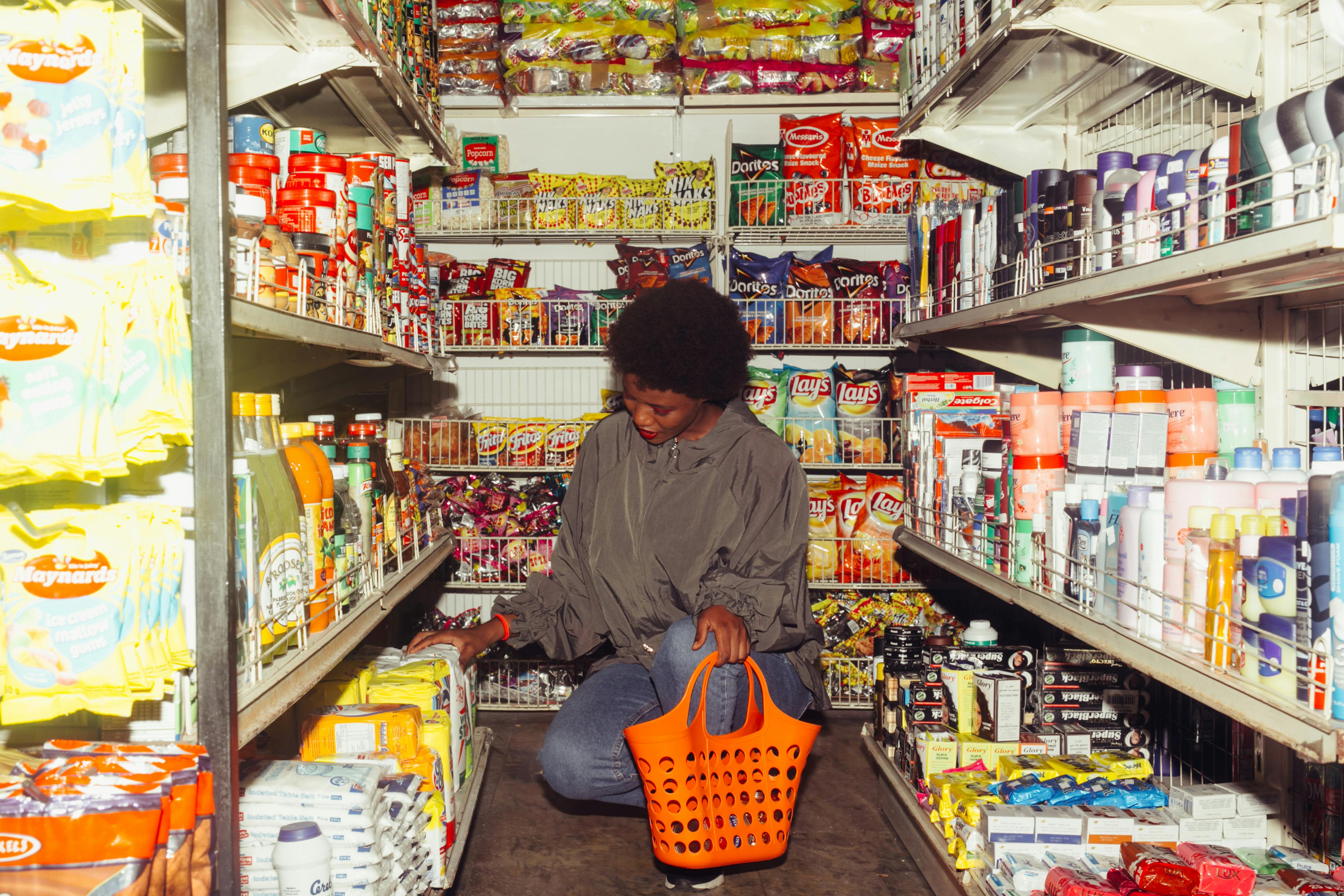
If CMU wants international students to feel like they belong, food has to be part of the conversation.
CMU is not starting from zero. There are Language Lunches, Celebration of Culture events, and college orientations that share resources with incoming students. I have seen these advertised. I am grateful for the connections this institution has made possible — even the conversations this project sparked in class felt like a small version of what belonging can look like.
But there is still a gap. And the data shows it.

CMU has a food pantry where students can book appointments and shop.
It took me about a month or two to find out it existed, and I have been here since January. I arrived in spring, outside the typical orientation window. If it took me that long to find it, I cannot be the only one.
This is not only a message for administrators. It is also for:
- faculty who advise international students,
- dining services teams who decide what goes on the shelves, and
- student groups who organize the events that make people feel seen.
- Please stock the CMU food pantry with culturally diverse ingredients, because access to familiar food should not feel like a privilege that only some students get to experience.
- Please make the CMU food pantry more visible to students who arrive outside the standard orientation cycle, because not every international student lands in the Fall.
- Please keep creating spaces like Language Lunches and Celebration of Culture events, and make sure international students who arrive mid year know these spaces exist and are meant for them too.
I am not asking for luxury. I am asking for recognition.
Closing Statement

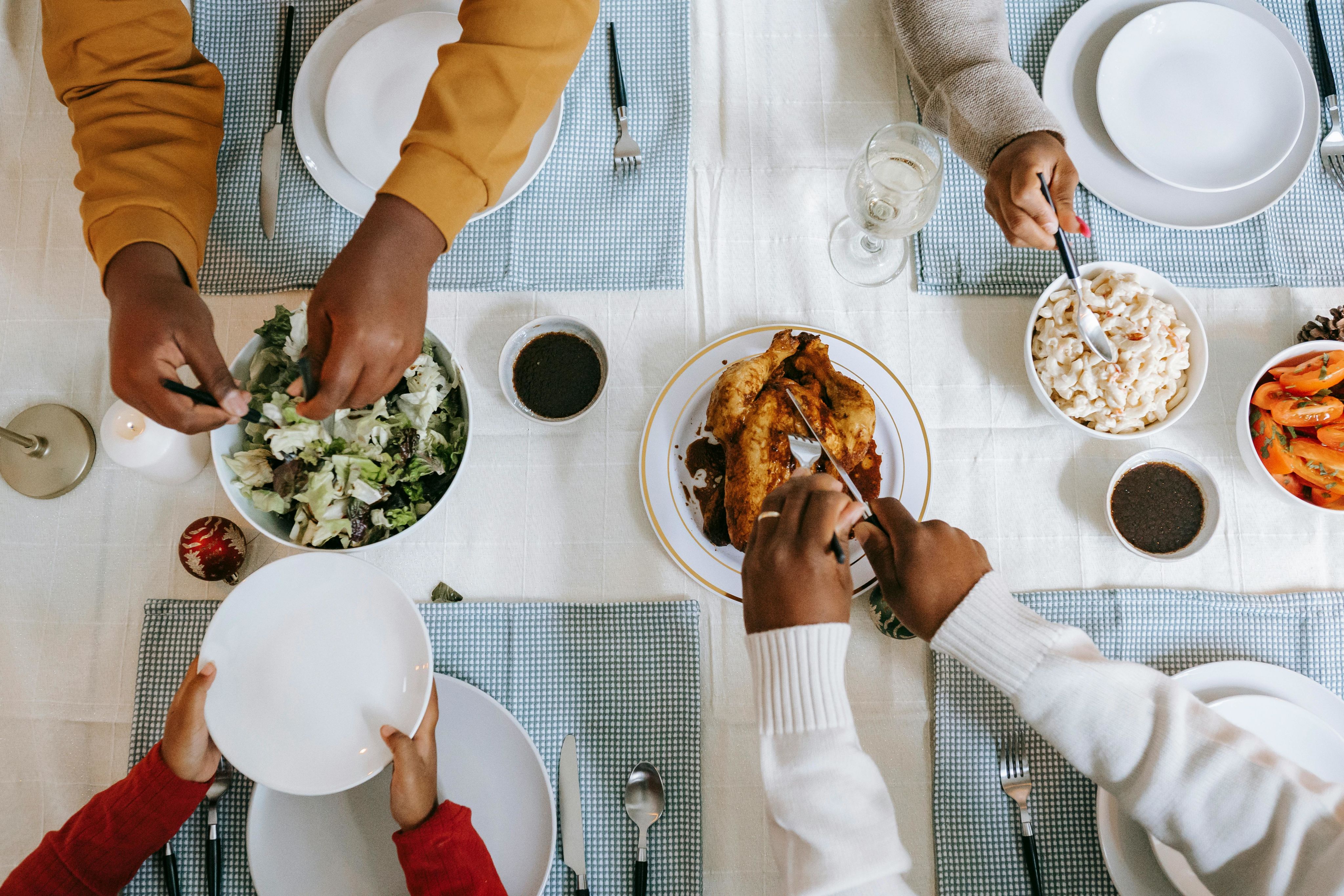
Food stops being invisible the moment you leave home.
Universities should pay attention to what that means.

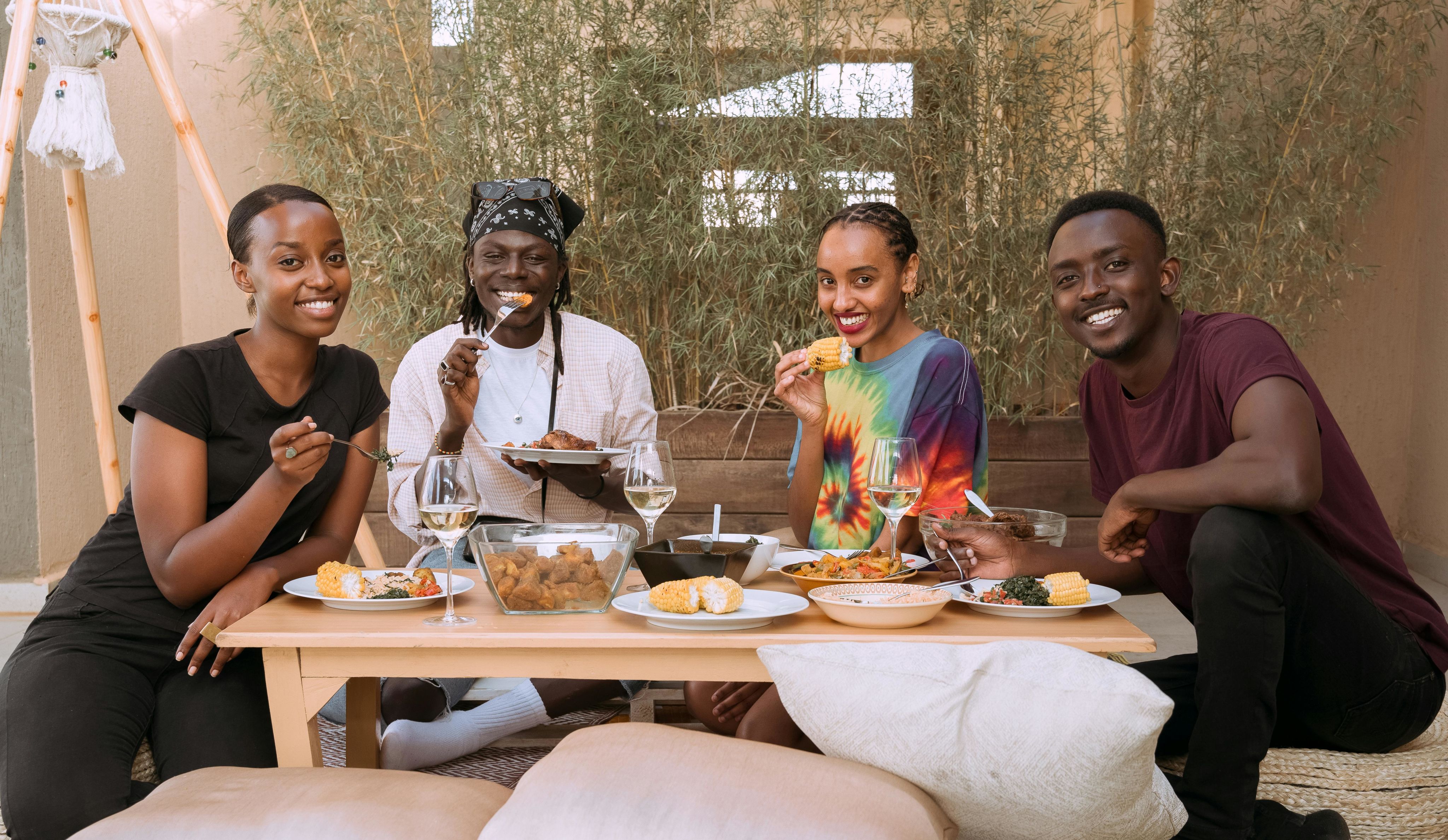
References & Credits
Data Sources
Numbeo. Cost of Living Comparison: United States vs Kenya. April 2026. numbeo.com
Institute of International Education. Open Doors 2025 Report. opendoorsdata.org
Ojo T, et al. Interplay Between Food Insecurity and Stress Among International Students. PMC, 2022. pmc.ncbi.nlm.nih.gov/articles/PMC9193392
Guyot E, et al. Eating Habits and Dietary Acculturation Among International College Students. PMC, 2020. pmc.ncbi.nlm.nih.gov/articles/PMC7327396
Images and Media
Background images sourced from the Shorthand media library
Vegetable comparison graphic generated using Google Gemini based on an original brief by Sheila Wafula
Chapter 1 sketches generated using Google Gemini based on original briefs by Sheila Wafula
Tools
Data visualizations built using Datawrapper
Story platform: Shorthand
AI writing assistance: Shorthand AI companion, Claude by Anthropic
 Built with Shorthand