
Amusement Parks: The Thrill and the Fear
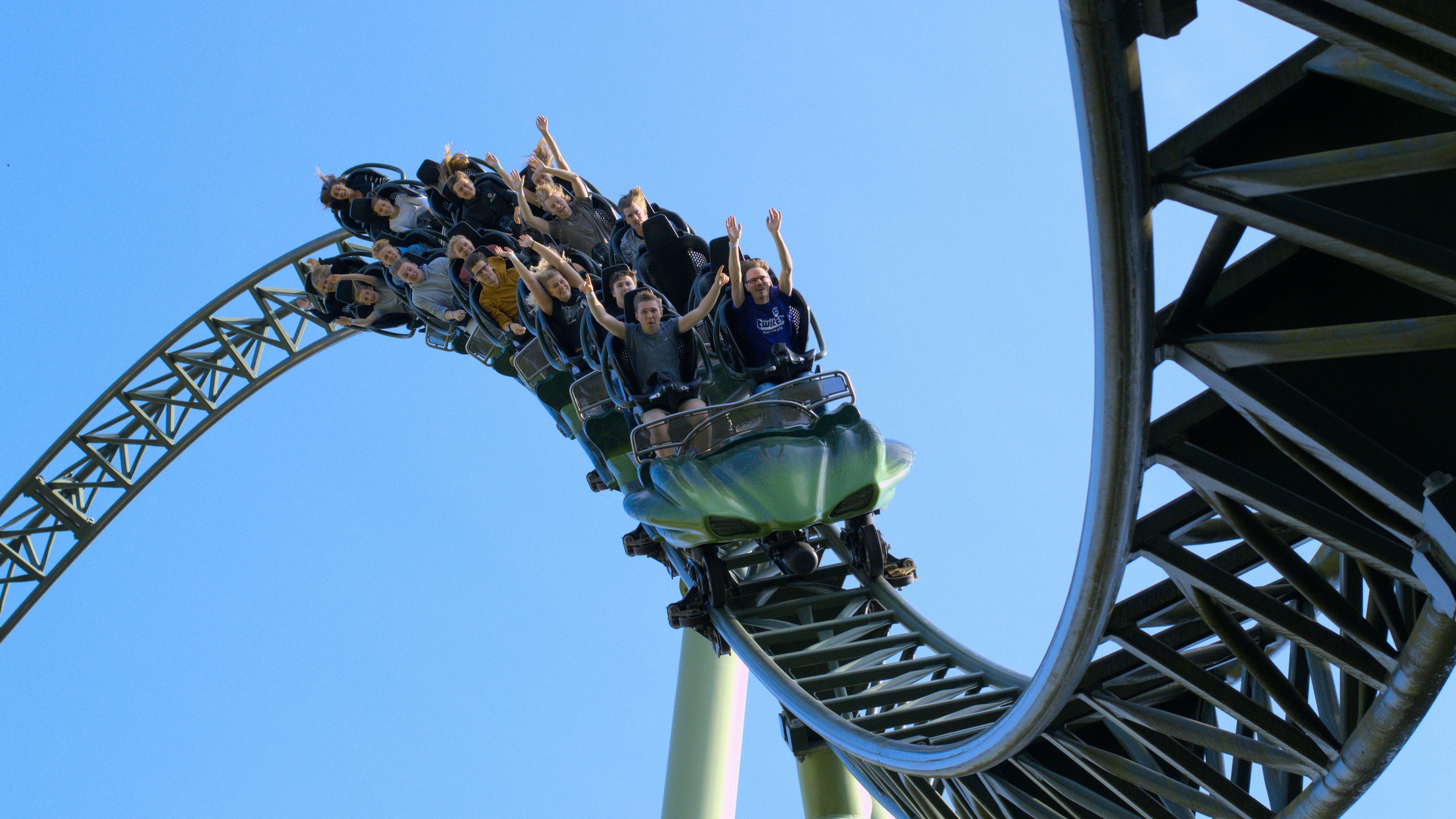


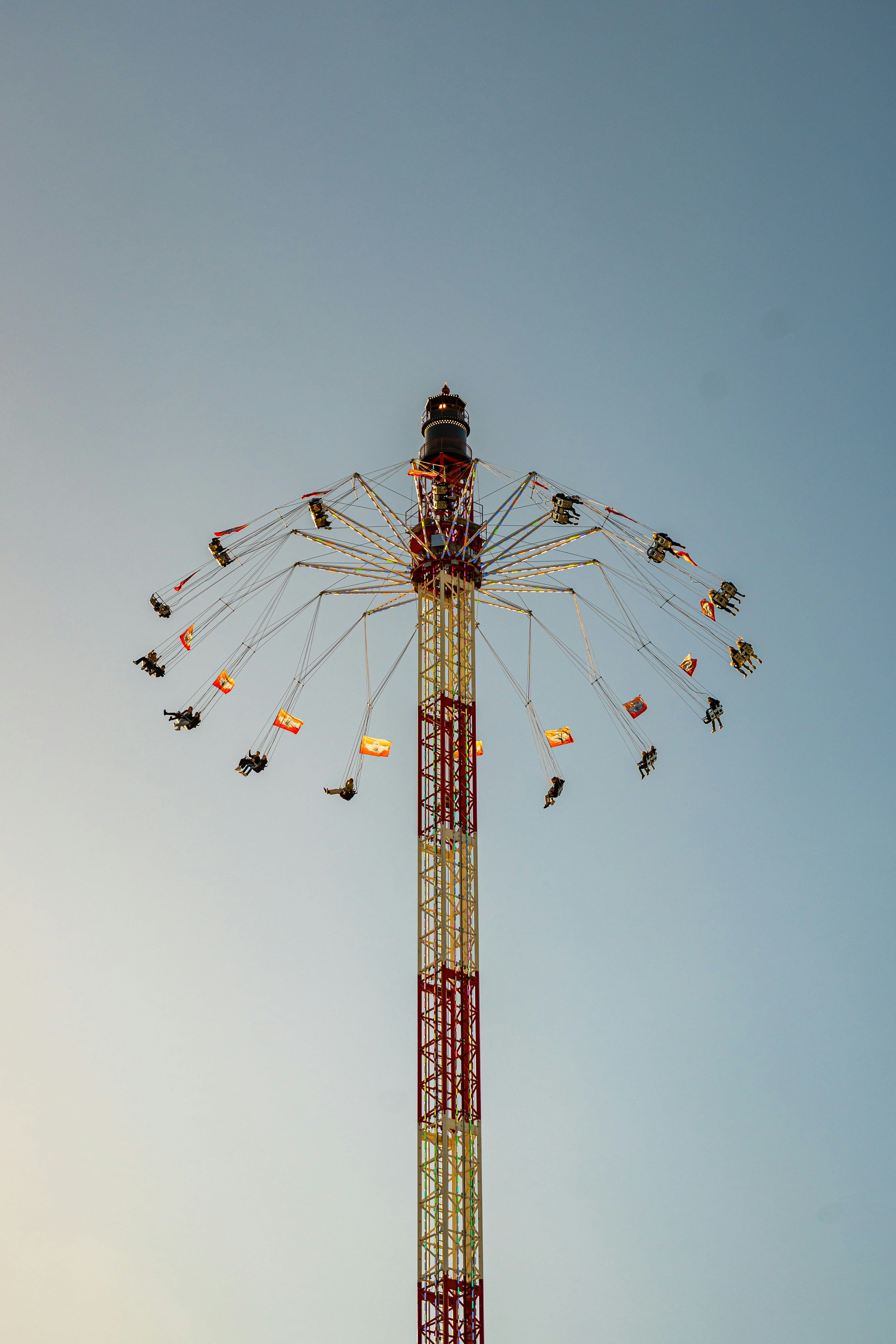
Photo by Jahanzeb Ahsan on Unsplash
Photo by Jahanzeb Ahsan on Unsplash
Background: Understanding the Scope and Rarity of Injuries
I’ve always been the first to jump into the fun at amusement parks. The rush of the roller coasters, the excitement of spinning rides, and the feeling of weightlessness on the water attractions. But everything changed for me after witnessing an incident at one of the parks. I was waiting in line for a roller coaster when a sudden malfunction left a rider injured. The panic and uncertainty I saw on that day stayed with me long after I left. Suddenly, every ride felt less thrilling and more worrying, and I couldn’t shake the fear that something might happen again.
That experience sparked a desire in me to understand the risks better and do something about it. While injuries are rare, they do happen, and the causes like ride malfunctions, water attractions, and spinning rides are more common than we realize. I realized that if parks implemented better safety measures and we, as visitors, stayed more aware, incidents could be prevented. I want to feel that same thrill again, but I also want to know that everyone is safe, and that we can all enjoy these places without fear creeping in. It’s about balancing excitement with responsibility so we can keep having fun, but with peace of mind.

Data Analysis: Key Factors Contributing to Amusement Park Injuries
After that day at the park, I couldn’t stop thinking what causes these injuries, and can they be prevented? Digging into the data, I learned that many incidents happen on roller coasters and spinning rides due to malfunctions or abrupt stops, while water rides often lead to slips or collisions. Even overcrowding can heighten risks as excitement turns into chaos. What struck me most was how preventable many of these accidents are. Better maintenance, stricter safety checks, and improved staff training could make all the difference. For me, it’s more than just numbers it’s about ensuring that every visitor, young or old, can leave the park with nothing but good memories.
Looking at the line chart, it’s impossible not to notice the dramatic spike in injuries in the early 2000s. It makes me think back to that day I witnessed an accident and wonder how many others had their fun turned into fear during those years. But what’s hopeful is the steady decline in incidents since then. Stricter regulations and better ride technology have made parks safer over the years. It’s proof that learning from the past and acting on it can protect the places we love, so they remain a source of joy, not fear.
Note: The sudden hike in 2000s is because the Consumer Product Safety Commission (CPSC) implemented better tracking and reporting systems for amusement ride injuries during this period. After looking at a rise, The International Association of Amusement Parks and Attractions (IAAPA) implemented stronger self-regulatory measures. Many states strengthened their regulatory oversight following high-profile accidents. States implemented more rigorous inspection requirements and mandatory injury reporting systems

Rides that cause the most injuries
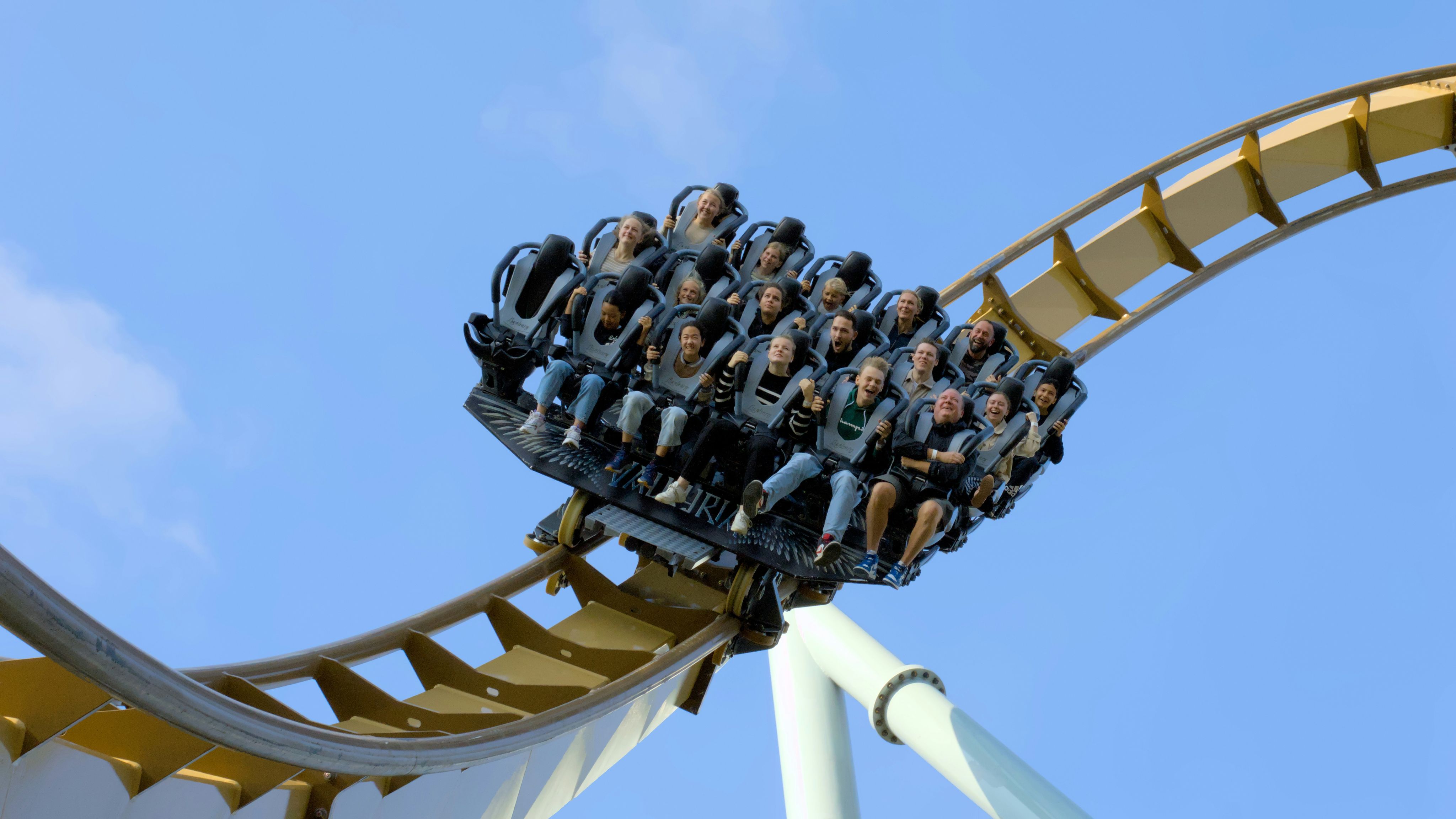
Photo by Hannes Knutsson on Unsplash
Photo by Hannes Knutsson on Unsplash
Roller Coasters
Coasters account for the highest number of injuries, with 2,748 recorded incidents.
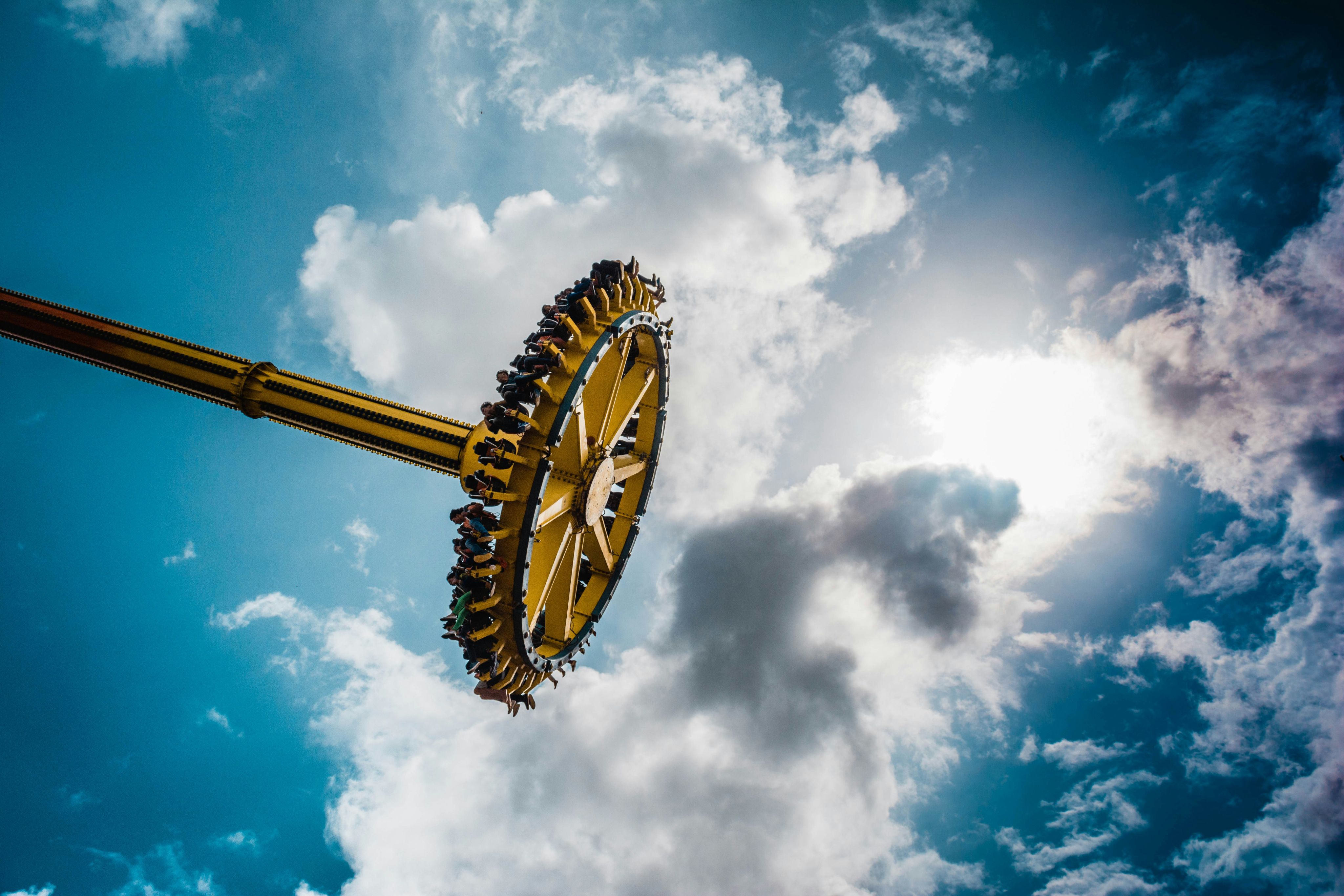
Photo by Mayuresh Kharwade on Unsplash
Photo by Mayuresh Kharwade on Unsplash
Spinning Rides
Spinning rides are responsible for 1,988 injuries, ranking second in causing harm.
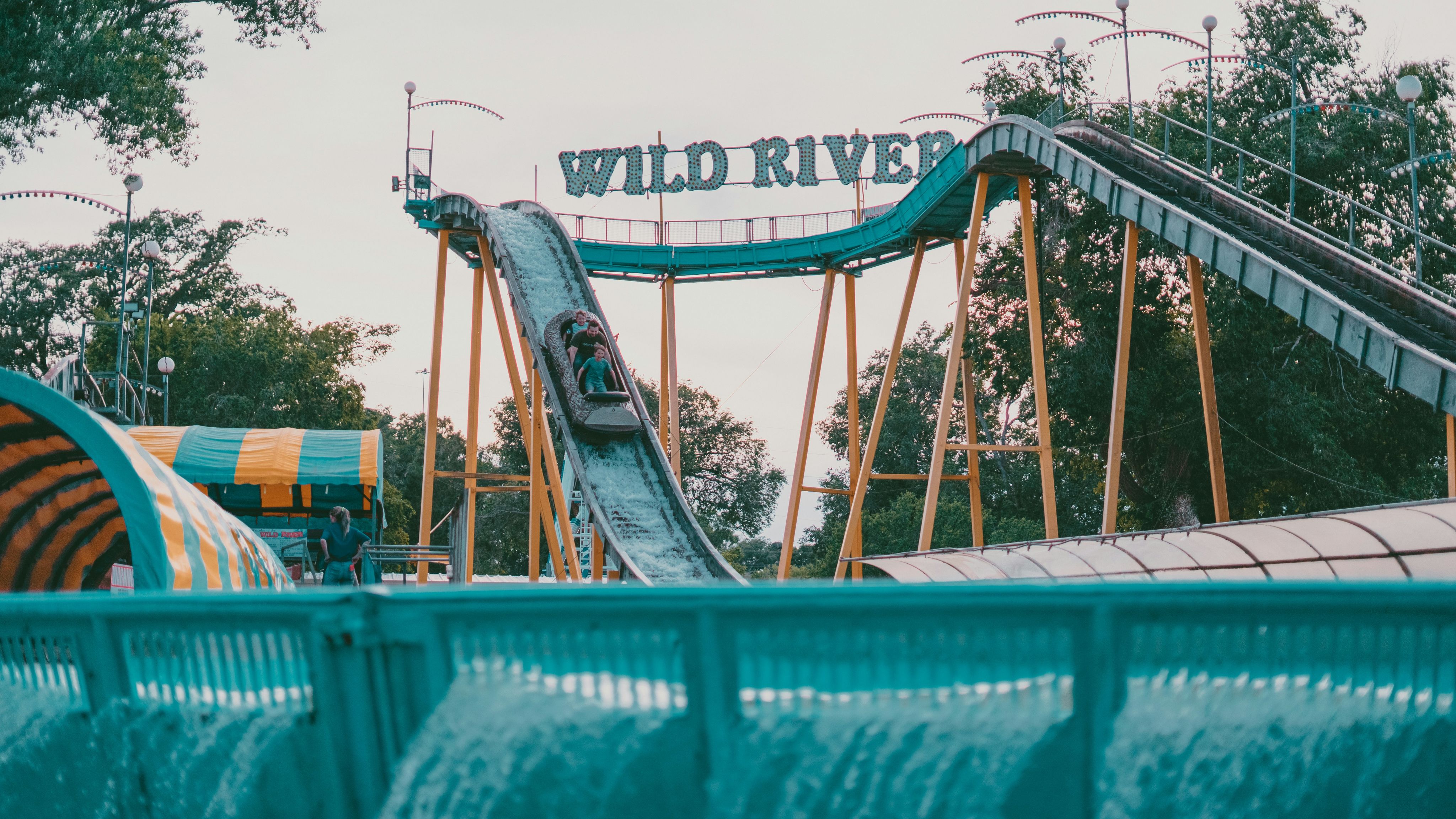
Photo by Anderson Schmig on Unsplash
Photo by Anderson Schmig on Unsplash
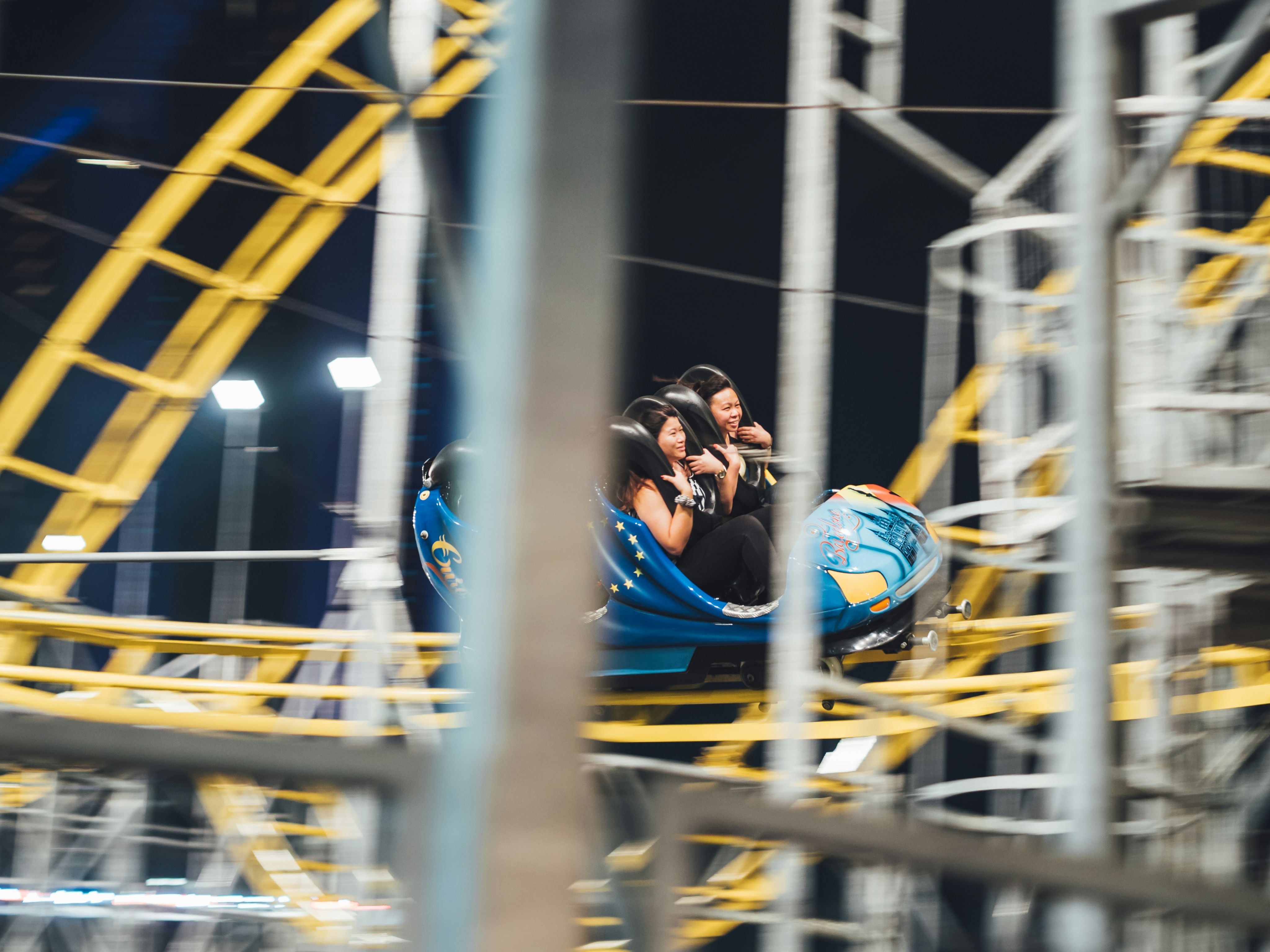
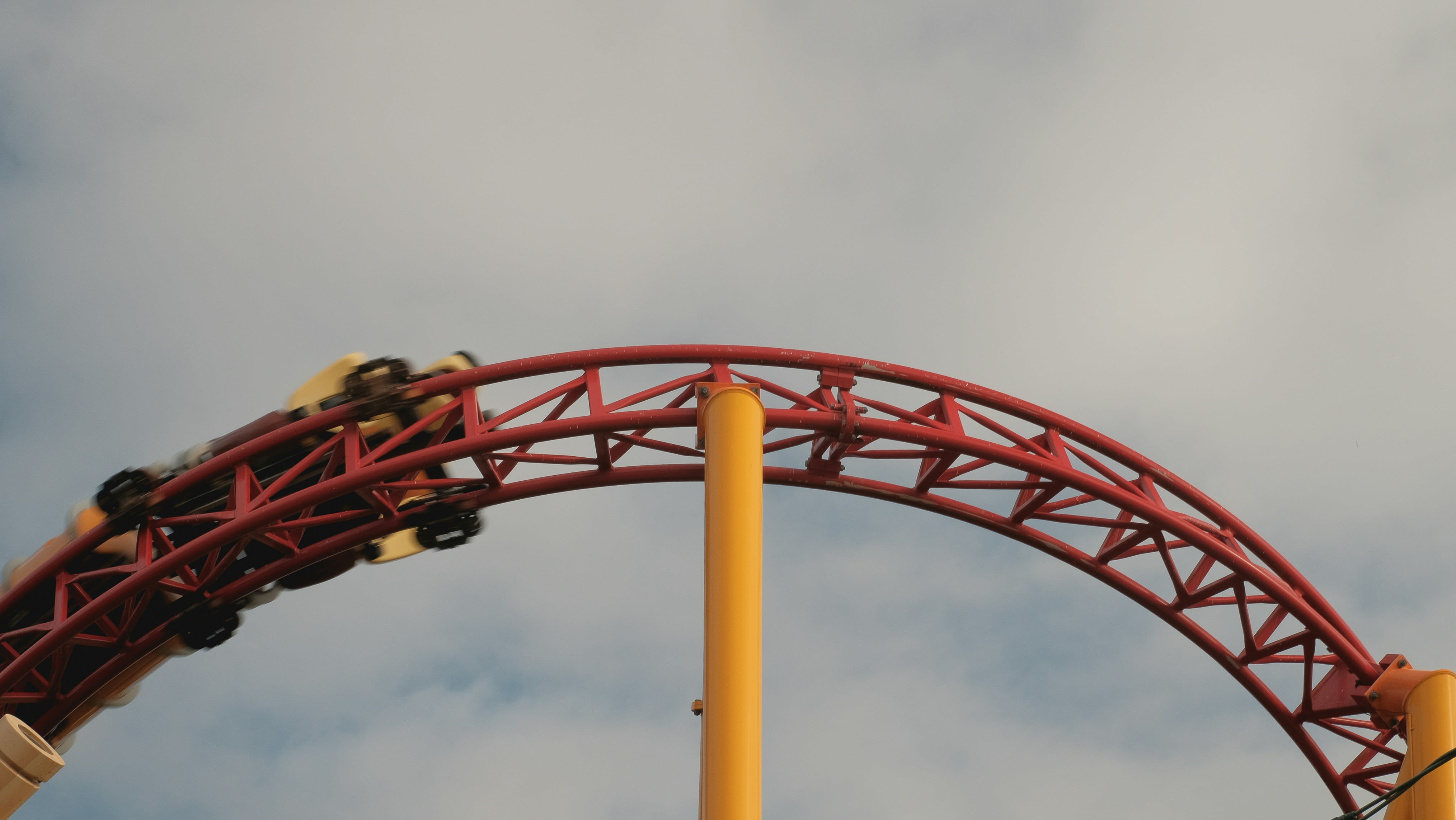
Water Rides
Water rides contributed to 1,163 injuries, the least among the top three but still significant.
Causes Behind Amusement Park Accidents: A Closer Look

The treemap brings the major risks into focus, showing us how mechanical errors, operational mistakes, and human factors contribute to injuries. Each section isn’t just a statistic—it represents moments where fun turned into fear, reminding us of the delicate balance between thrill and caution. Mechanical errors may seem beyond our control, but regular maintenance and inspections can catch problems before they happen. Operational mistakes highlight the need for better training and communication among staff to ensure every ride runs smoothly. And the human factor? It’s a call for both visitors and staff to stay vigilant and aware. For us as visitors, it’s a reminder to follow the rules and respect the limits designed to keep us safe.

The treemap brings the major risks into focus, showing us how mechanical errors, operational mistakes, and human factors contribute to injuries. Each section isn’t just a statistic—it represents moments where fun turned into fear, reminding us of the delicate balance between thrill and caution. Mechanical errors may seem beyond our control, but regular maintenance and inspections can catch problems before they happen. Operational mistakes highlight the need for better training and communication among staff to ensure every ride runs smoothly. And the human factor? It’s a call for both visitors and staff to stay vigilant and aware.
Be away from the states with most incidents in amusement parks


For me, that nervous twinge before a big ride is more than just excitement, it’s a mix of thrill and fear, especially after witnessing an accident firsthand. But instead of avoiding these parks, it’s about making them safer. After all, we all want to enjoy the thrills and leave with only good memories.
Not to our surprise, the bar graph clearly shows that the states with greater number of amusement parks tend to experience more number of accidents.
Solution and Call to Action: What Can Be Done to Improve Safety?

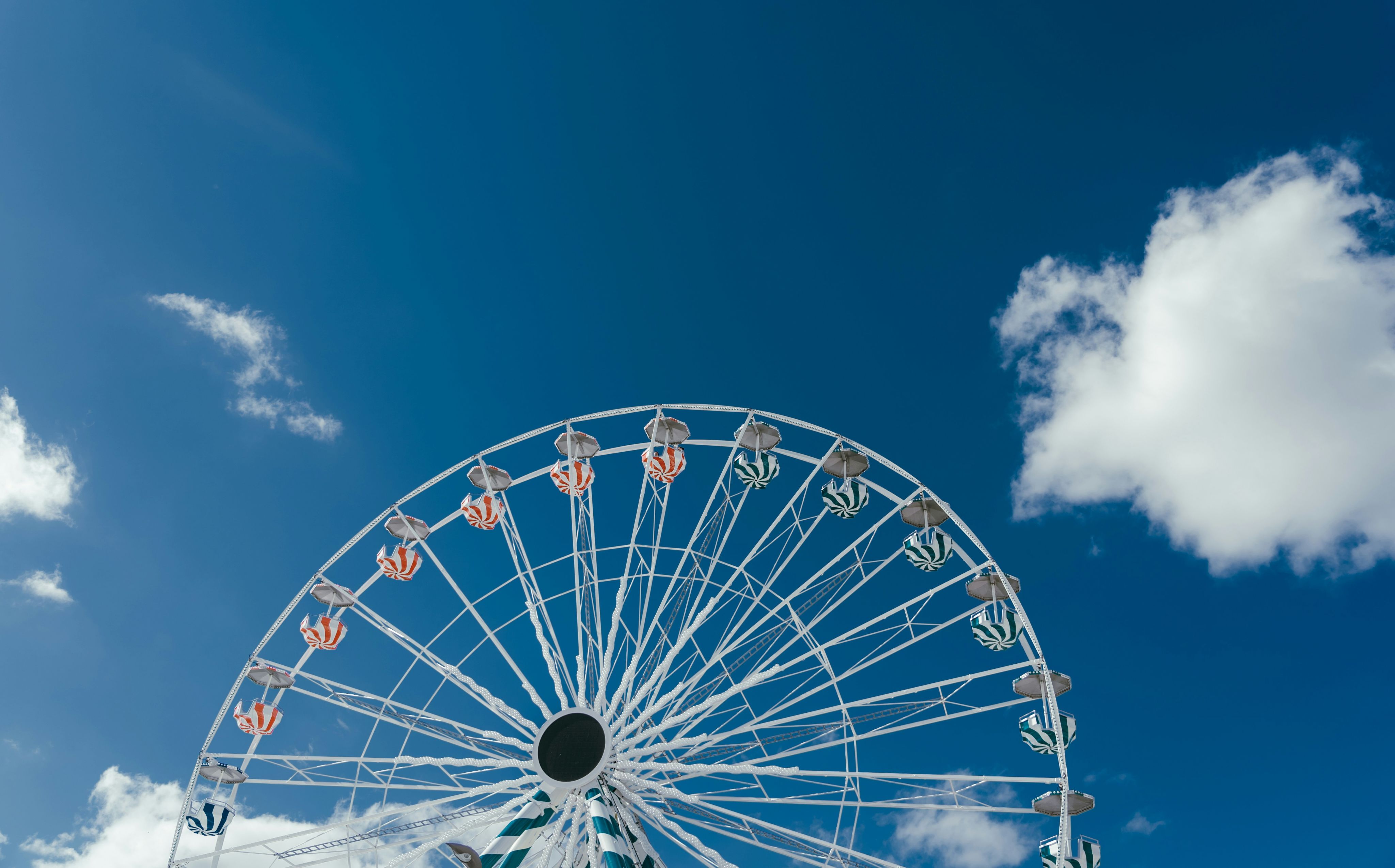
So, what can we do to make this vision a reality? For parks, it starts with transparency—publishing safety reports, encouraging routine inspections, and investing in the latest ride technologies to reduce mechanical failures. Governments and industry leaders must work together to establish universal safety regulations, ensuring that every park, big or small, meets the highest standards.
For us, as visitors, the call to action is simple but powerful: be aware. Take a moment to read posted safety guidelines, check for visible signs of wear or neglect, and never hesitate to speak up if something feels unsafe. Together, we can create an environment where thrills and safety go hand in hand, turning amusement parks into places of joy that everyone can enjoy without fear. Let’s make every ride a celebration of fun, where safety is always part of the experience.
Call to Action Checklist
✅Go through the rides safety video produced by Outdoor Amusement Business Association (OABA)
✅Have a look at the tips for consumer before visiting
✅Find the ride that fits best for you
✅Review the rules and regulations of park safety for that particular state
✅See if the park has any certifications from recognized safety organizations, such as ASTM or the International Association of Amusement Parks and Attractions (IAAPA).
✅Ensure the park has up-to-date safety measures in place, such as ride maintenance schedules and regular safety audits.
✅Research any recent injuries or incidents reported at the park and whether steps were taken to address them.

 Built with Shorthand