
Kelp Deforestation
How & Why Kelp Forests are Disappearing
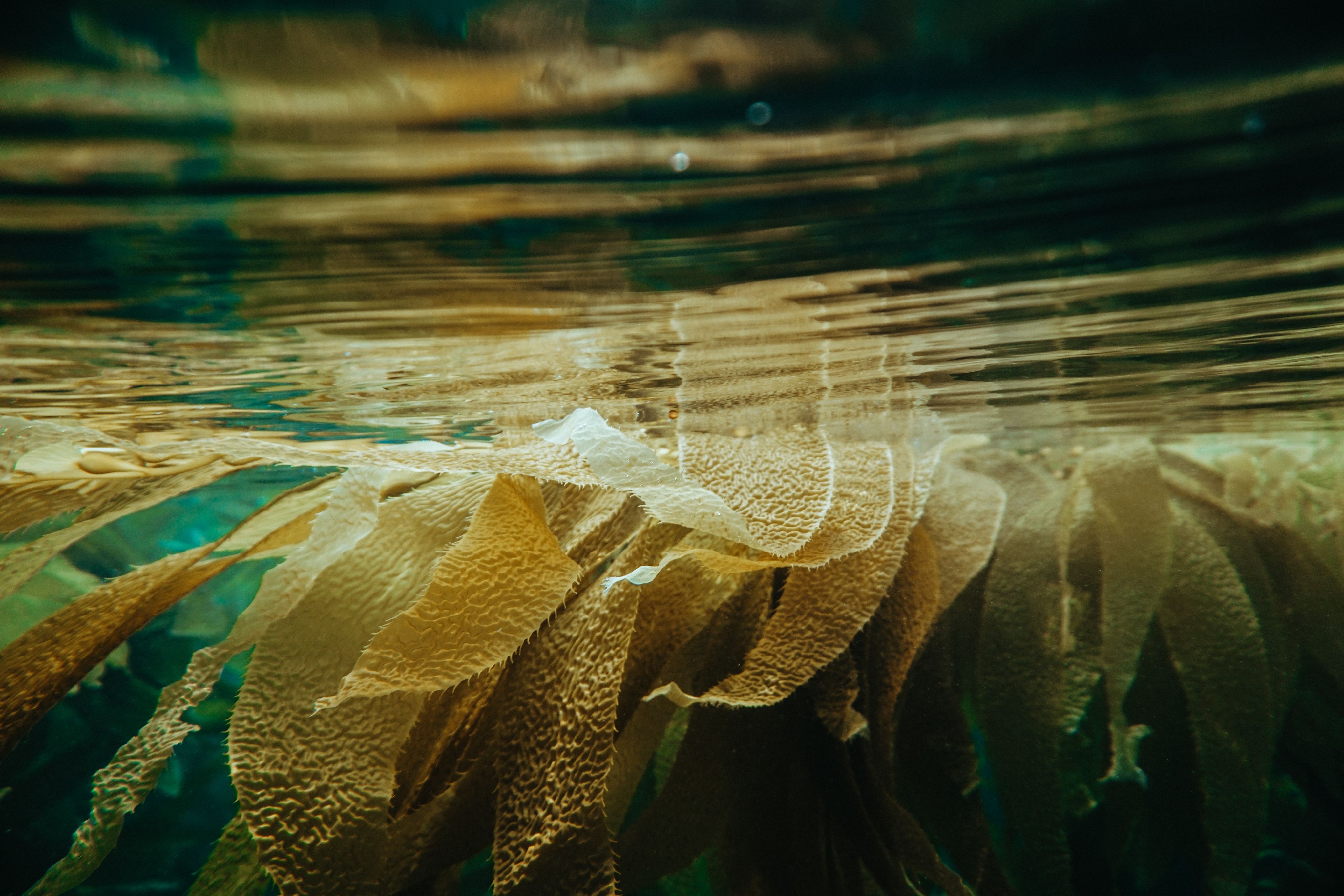

Kelp forests are one of the most iconic ecosystems of the western United States. They are a major tourist destination, creating an elegant collage sea life for divers to explore from the surface all the way to seafloor. Beyond their natural beauty, kelp forests are of paramount importance in coastal ecosystems. They are one of the most productive environments known to man, regularly stretching to heights of over 100 feet. Some species of kelp are so efficient they grow up to two feet each day.
However, kelp alone is not self-sustaining--it relies on a plethora of other species to sustain itself and the ecosystem. Kelp forests provide sanctuary to some of the US' favorite marine life, including otters, seals, sharks, and octopi. In return, they perform important ecosystem services that preserve kelp forests and keep other species that inhabit them alive.
Sea Otter, Keystone Predator

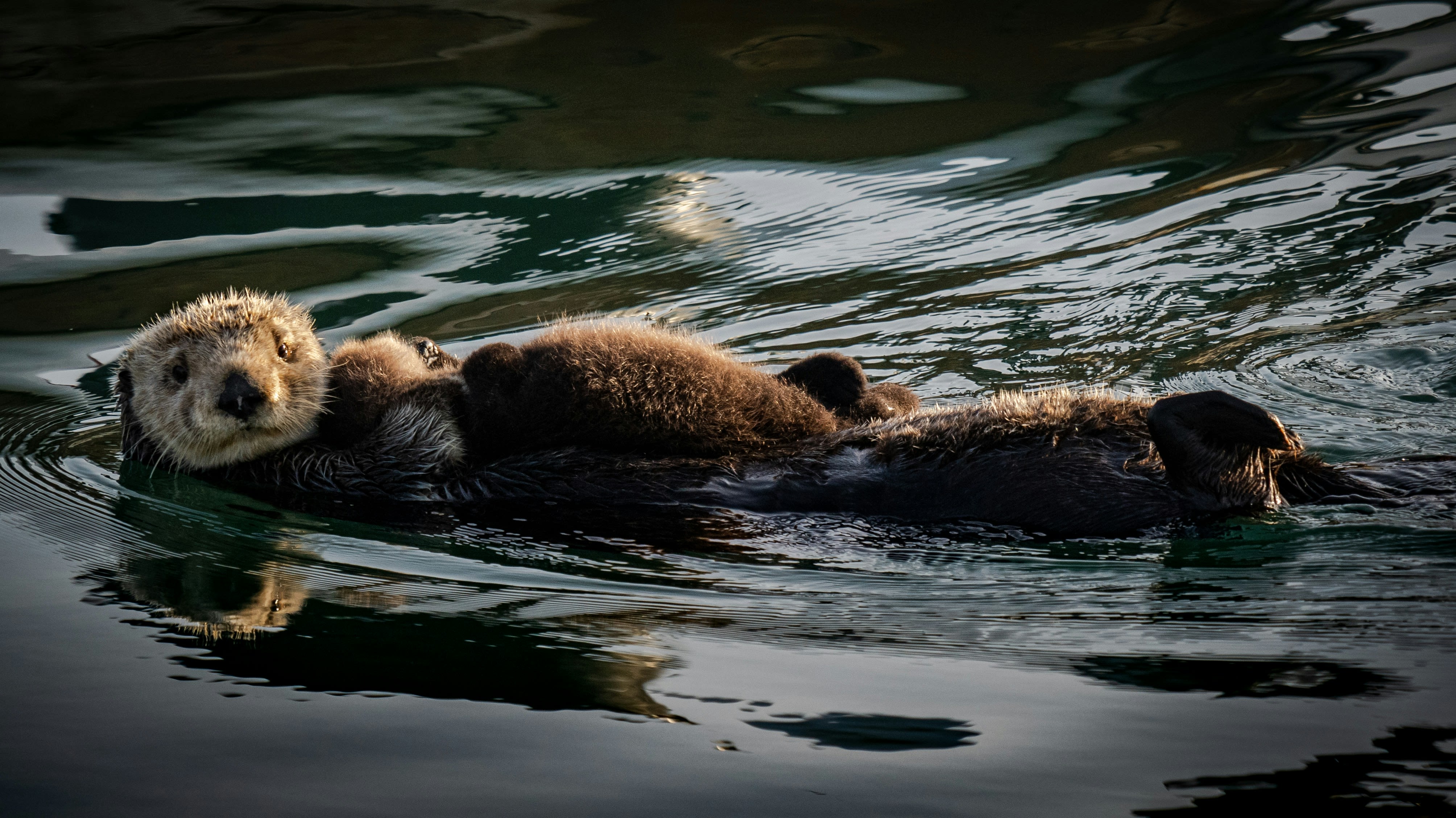
Beyond being eye candy for tourists, sea otters play a more important role in the region's ecology. In kelp forests, they serve as apex predators, having an outsized impact on their environment. Their position in the trophic system—or food web—historically made the sea otter a primary caretaker of kelp populations because of their favorite prey: sea urchins. Without predatory pressure keeping urchin populations in check, they are capable of over-grazing kelp to the point of total deforestation.
However, sea otters have been unable to have the impact they once had. Once numbering in the hundreds of thousands, the arrival of Europeans to the West Coast of the Americas imperiled the species. Many otter populations were extirpated, while most remaining communities numbered in the double-digits.

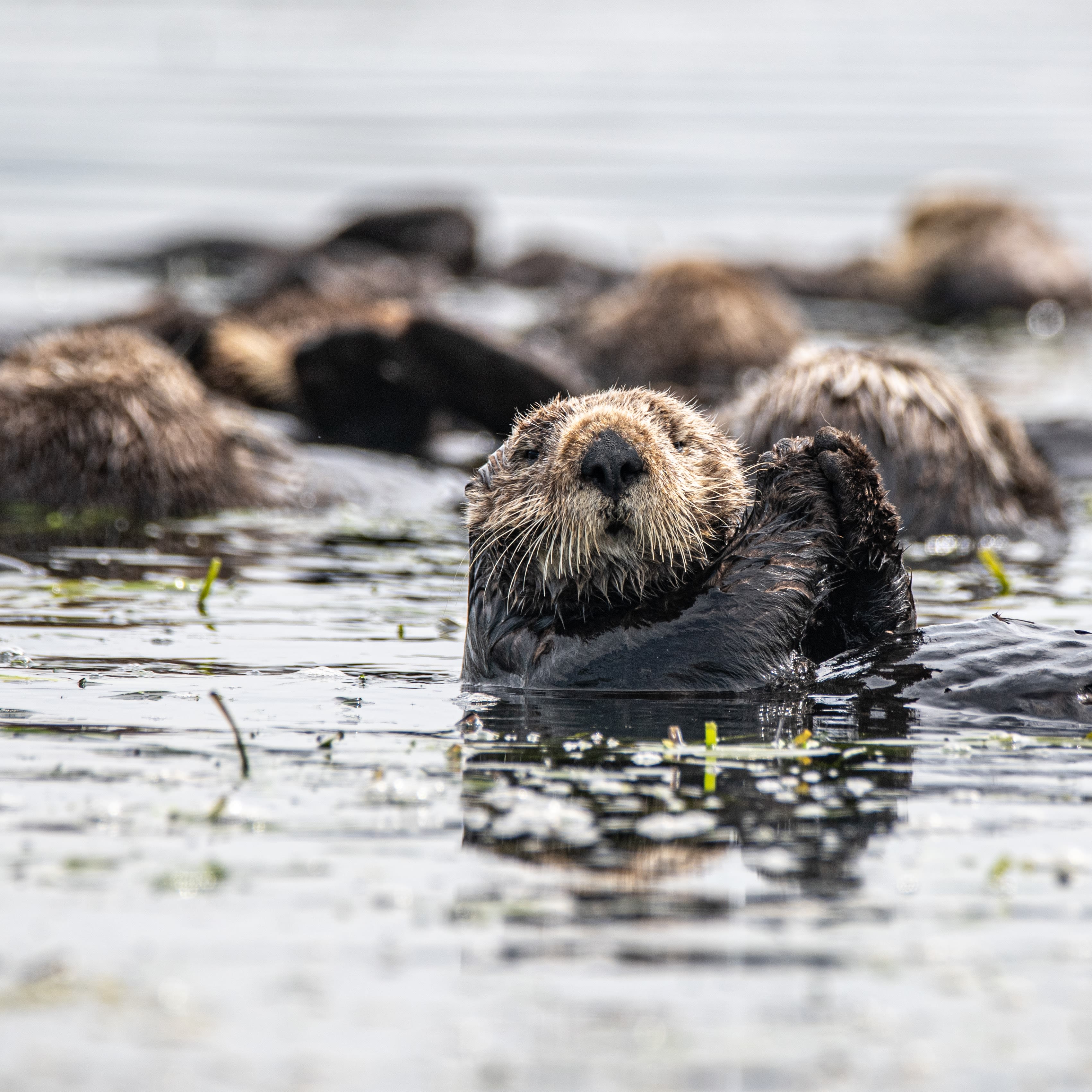
The fur trade of the 1700s and 1800s were the primary culprit of human-induced otter extirpation, with pelt trade numbers as high as 250,000 by 1790.
Beginning in the early 1900s, however, conservationists and government have worked hard to recover otter populations to ecologically relevant levels.
In 1911, sea otters were given hunting protections by the Northern Pacific Fur Seal Treaty. This outlawed open-water hunting by the major fur trading countries of the time: United States, Russia, Great Britain, Canada, and Japan. In the years since, the US has passed other legislation that protects sea otters and other marine mammals in its waters. Currently, the species is protected under the Marine Mammal Protection Act of 1972 and the Endangered Species Act of 1973.
Since the passage of those historic laws in the 1970s, otter populations have recovered considerably given their near-extinction levels during the late 1890s.
The Southern Sea Otter, which resides off the coasts of California, has increased its mainland populations from 1,277 individuals in 1983 to 2,996 individuals in 2019, in addition to gains on islands further out.

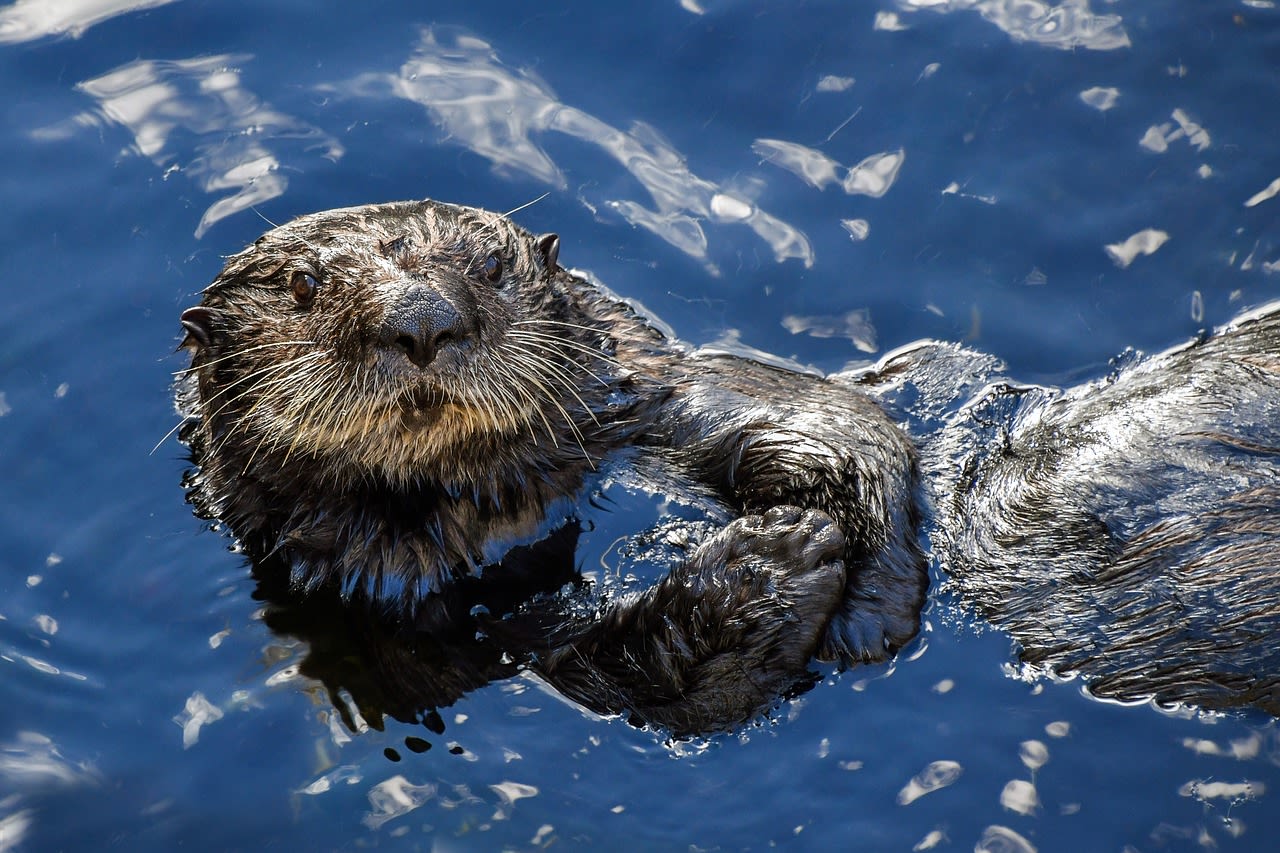
Photo by Pixabay
Photo by Pixabay

Map of Otter Population Changes Since 1983
The Sunflower Sea Star

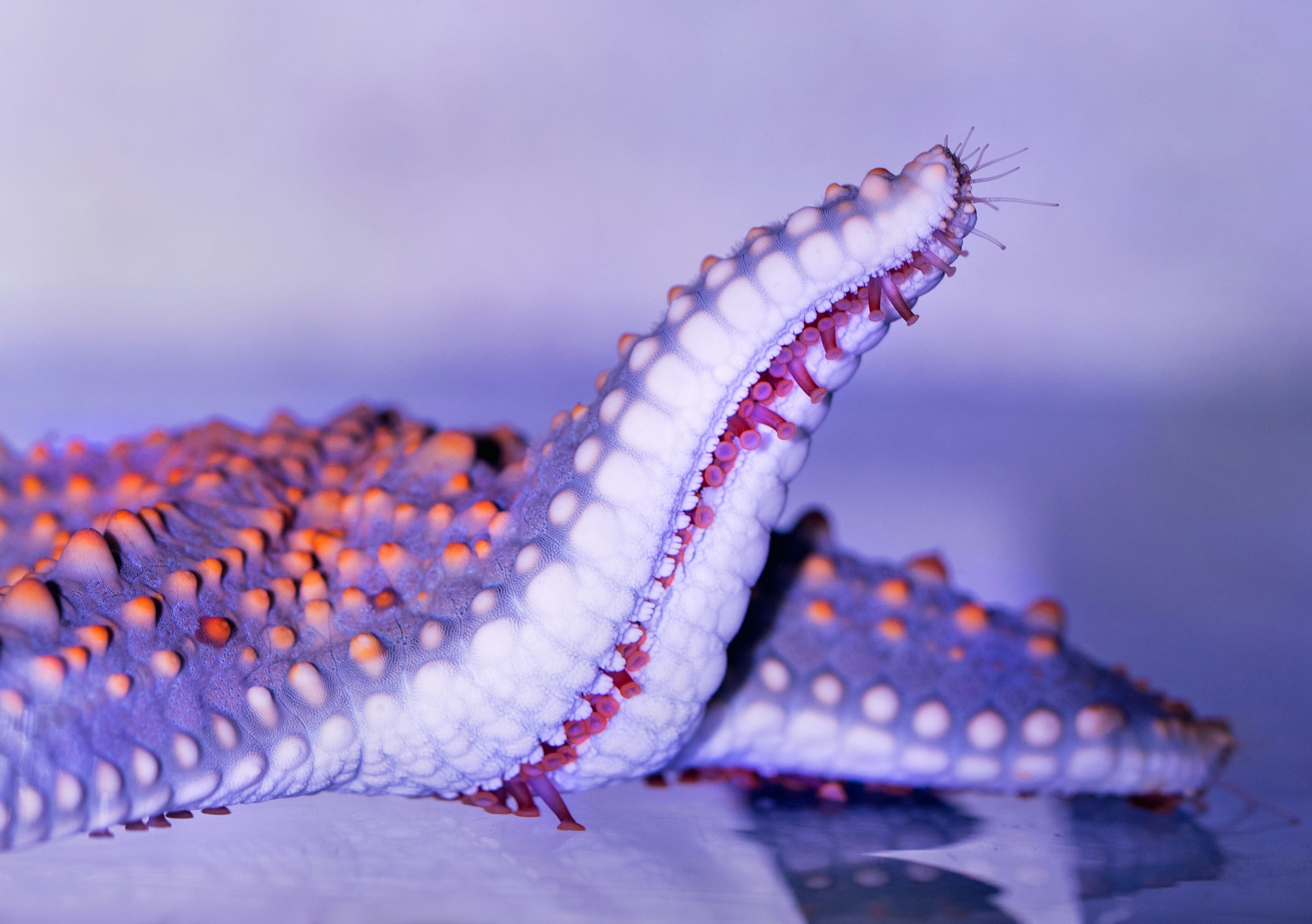
Like the sea otter, the sunflower sea star is also a keystone predator of urchins. While some might cringe at the idea of millions of tentacled creepy-crawlies scuttling on the sea floor, they are essential to maintaining the health of kelp ecosystems.
Unlike sea otters, this ocean-dweller has been largely spared from the impacts of human activity in the oceans. However, in 2013, a disease known as sea star wasting syndrome began to spread, eventually leading to a global pandemic for the species. This, in addition to changing ocean temperatures due to climate change, has lead to a global population decline of over 90%.

In Southern California, the sunflower sea star population went from 55,188,143 down to just 96,831 within the span of four years. That is a decline of 99.8%.


Image and below icons generated by Bing Copilot.
Image and below icons generated by Bing Copilot.
Theoretically, sea otters could help mitigate the effect of the loss in terms of urchin predation--and they partially do. But there is no way that they can make up for all the sunflower sea star's losses.
A male southern sea otter can typically eat up to 50 urchins a day. That is impressive compared to the sunflower star's 0.68 urchins per day. However, sea stars outnumbered otters by the tens of millions prior to the wasting syndrome pandemic. To compensate, otters would need to eat 12,648 urchins every day, or about 244 times their normal daily intake.

Kelp Forests Disappearing

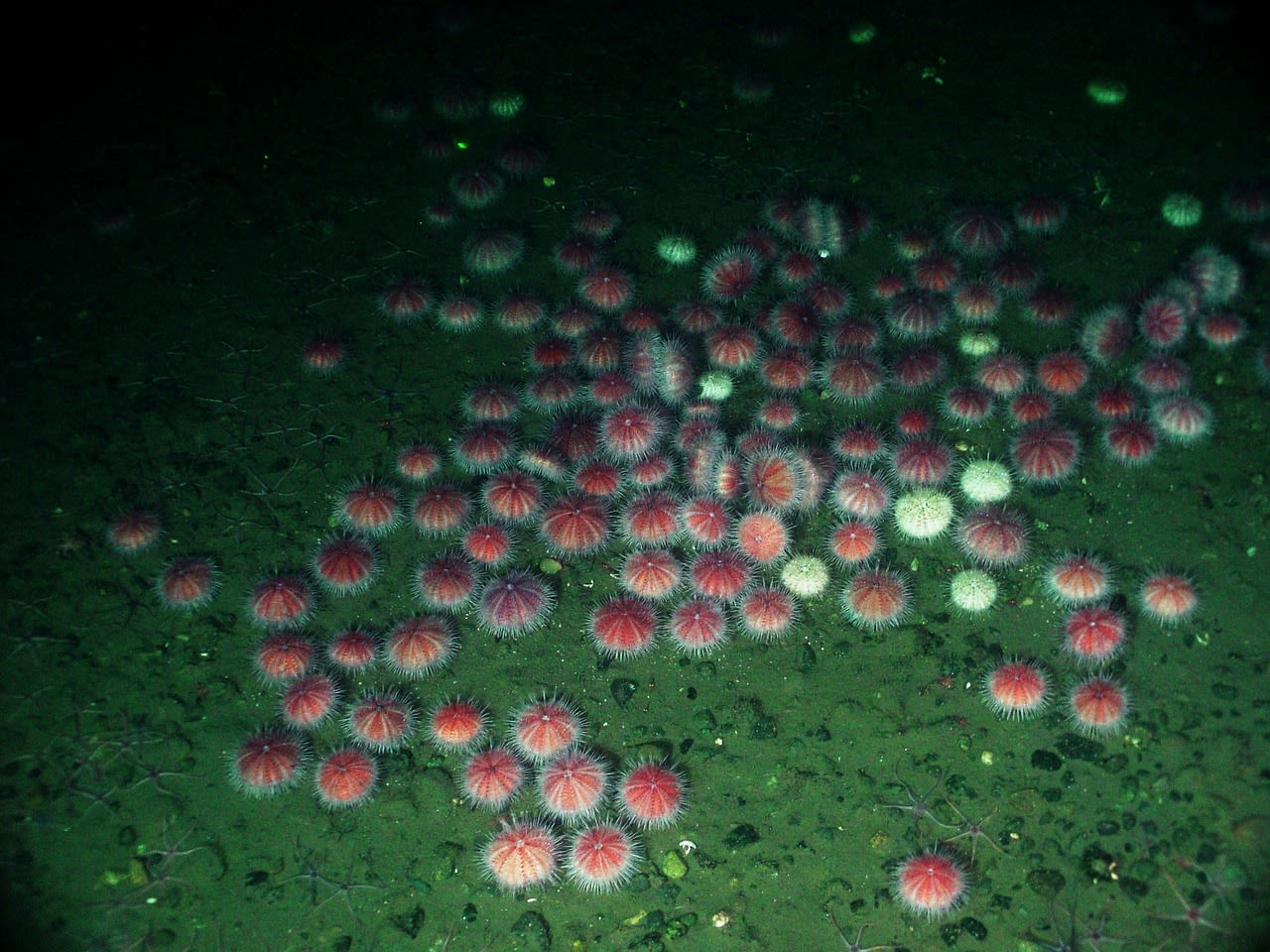
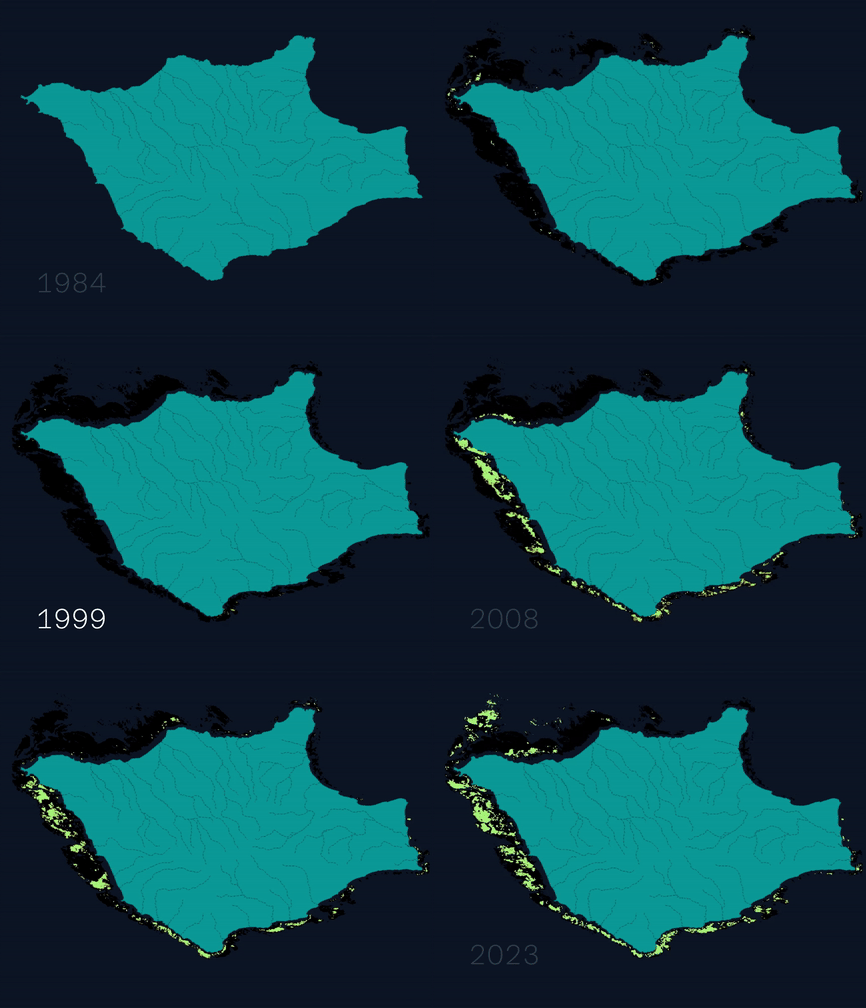
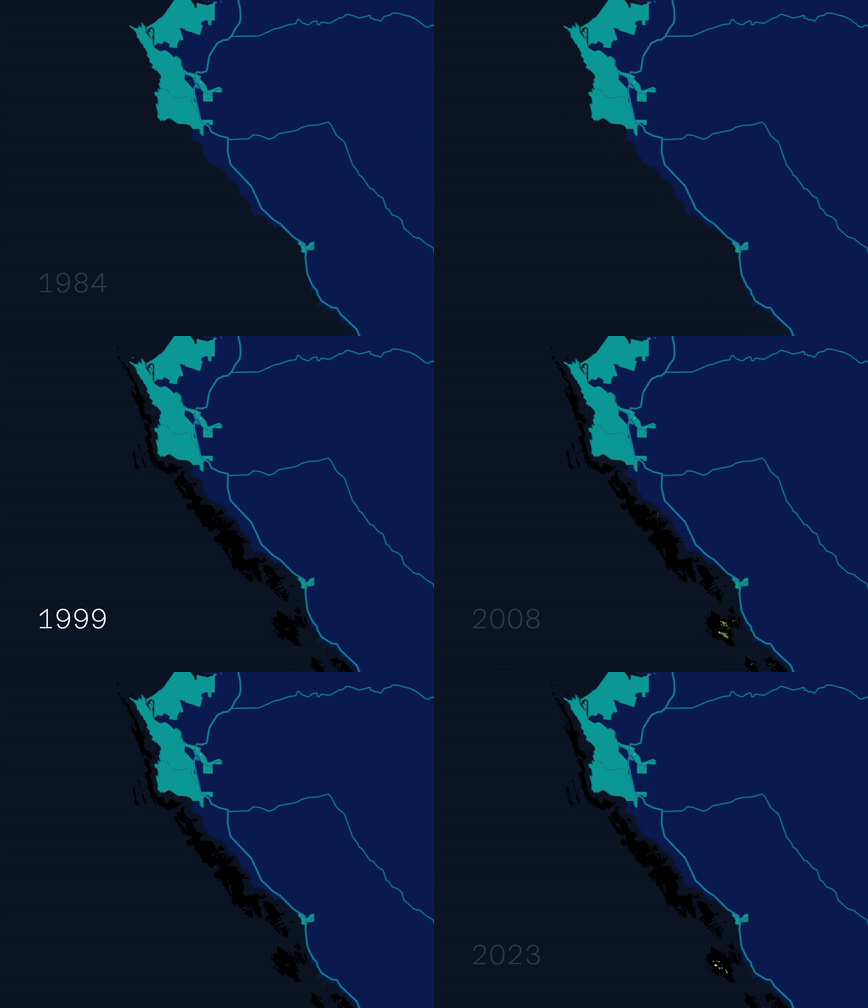
Kelp forests are in decline because of the low abundance of their keystone predators. Without enough otters or sunflower sea stars to prey on sea urchins, their numbers have ballooned to the point that they are changing the ecology of the US's coastal regions.
Urchins are natural grazers of kelp. When they are in overabundance, they eat kelp faster than it can grow back, even when the algae is at its most productive. Sustained over-grazing of kelp by urchins leads to urchin barrens--rocky sea floor devoid of almost anything except urchins. With the global collapse of sunflower sea star numbers, these barrens pose a major threat to kelp forests worldwide.
In combination with other stressors, including climate change, kelp forests are at extreme risk of disappearing.
Santa Rosa Island

Southern Mendocino County


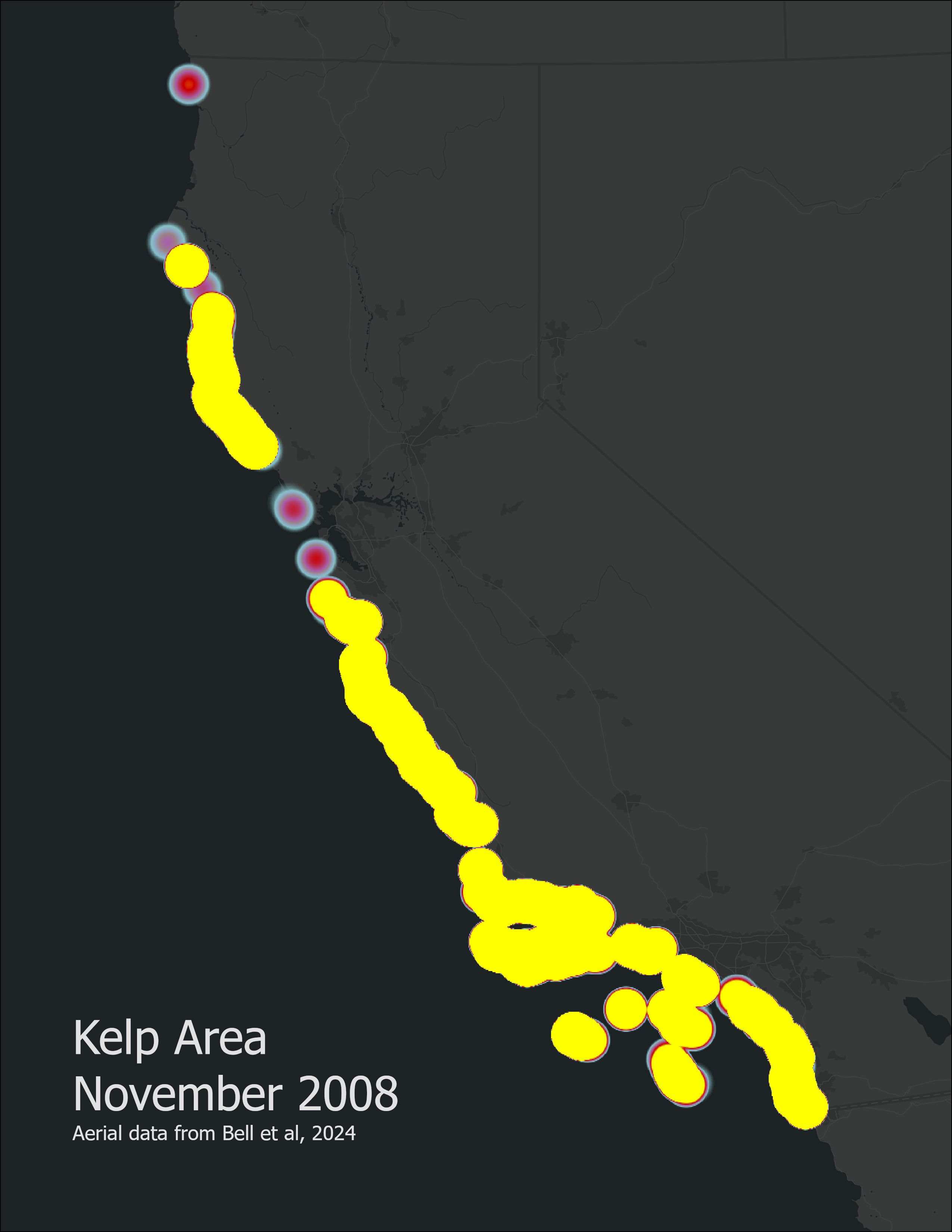
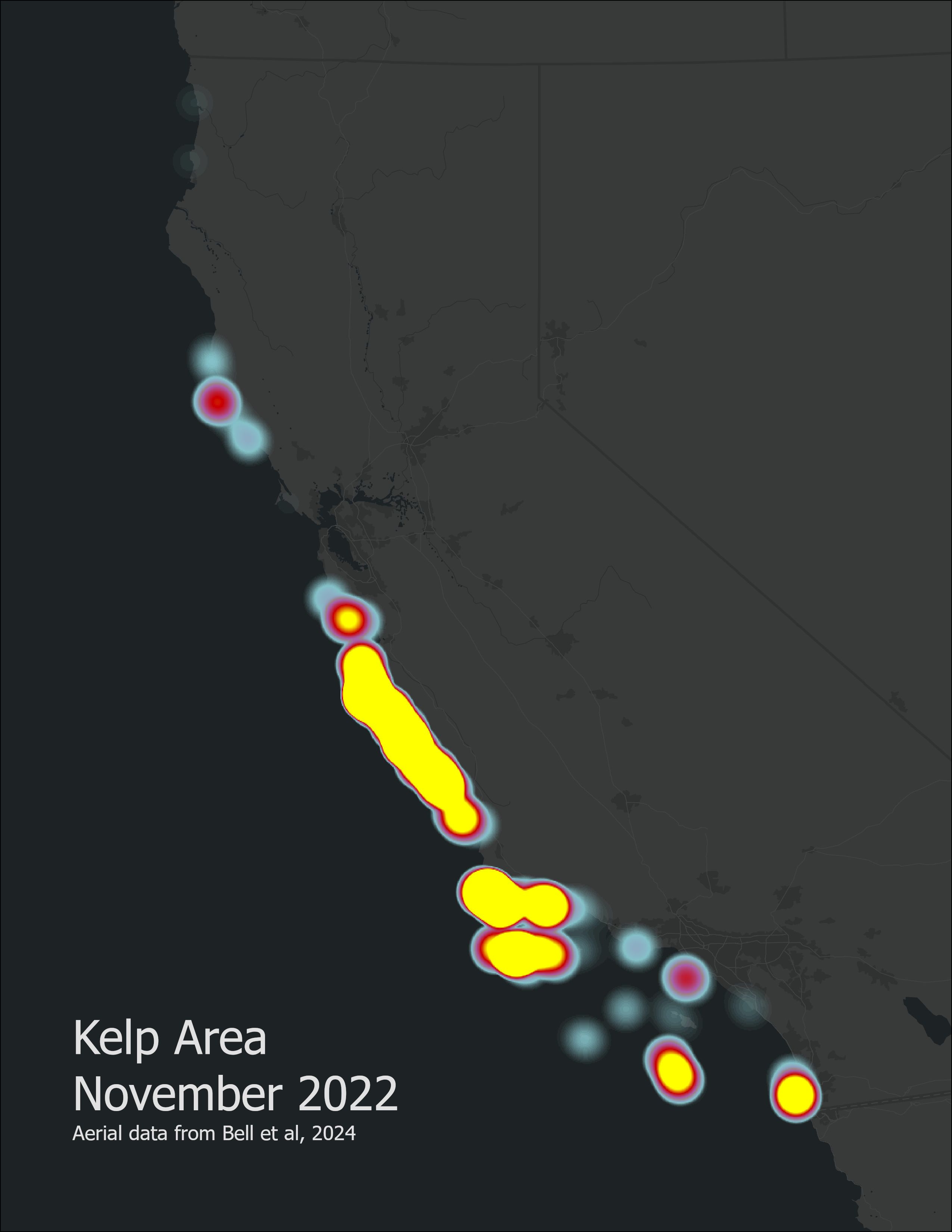
What Can You do to Help?

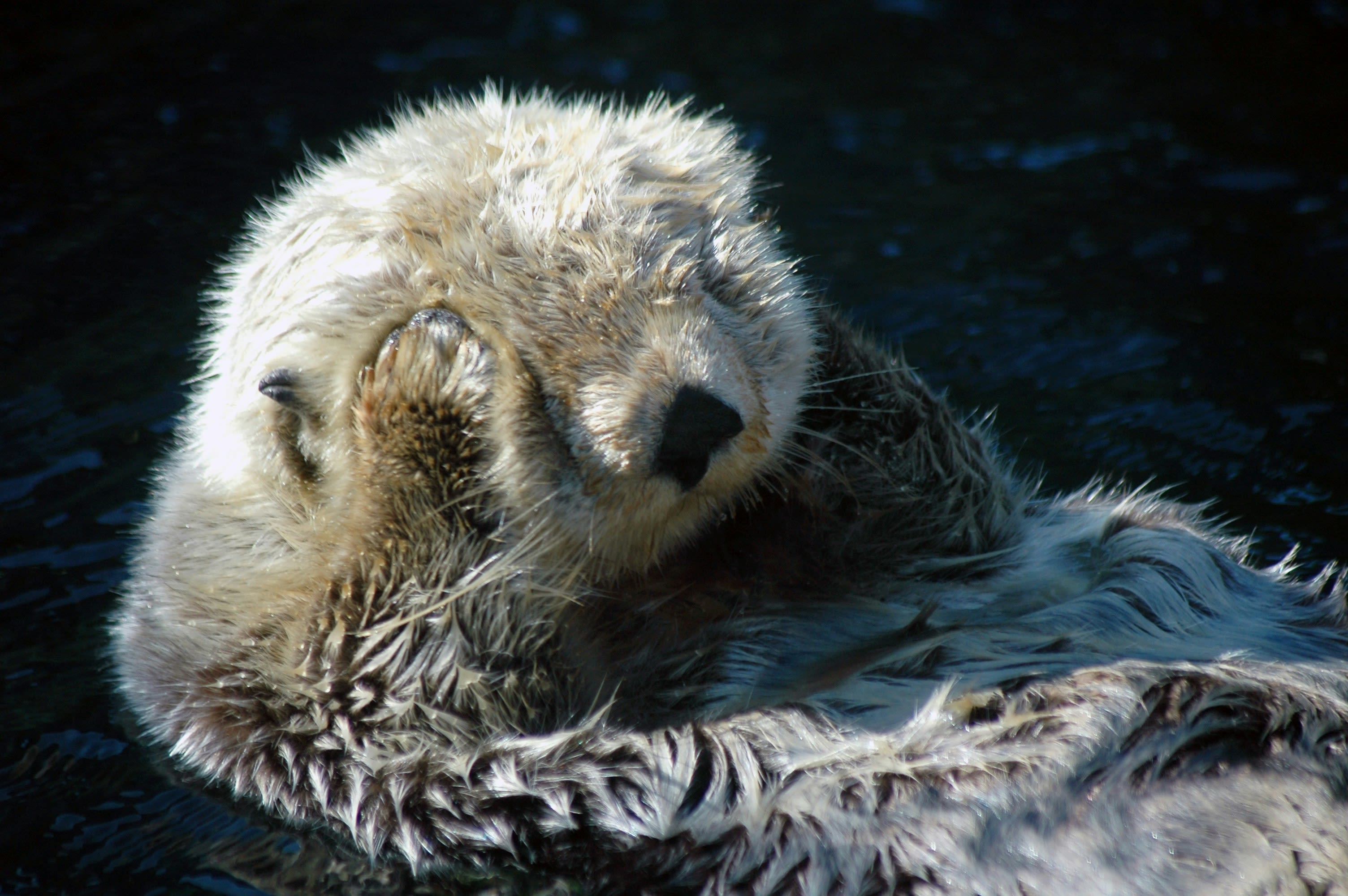
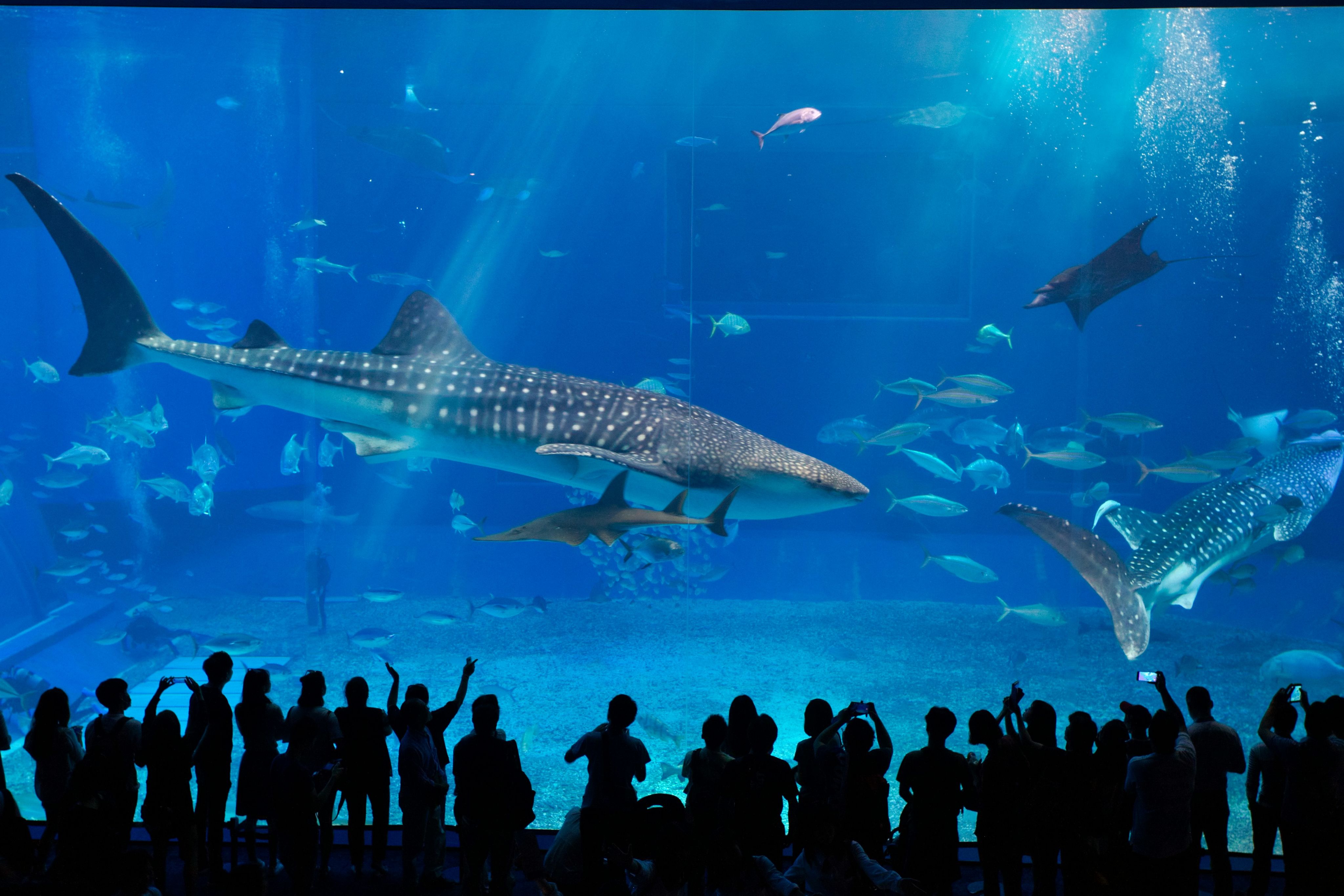
Donate to Monterey Bay Aquarium
The aquarium funds research on kelp forests, sea stars, and otters.
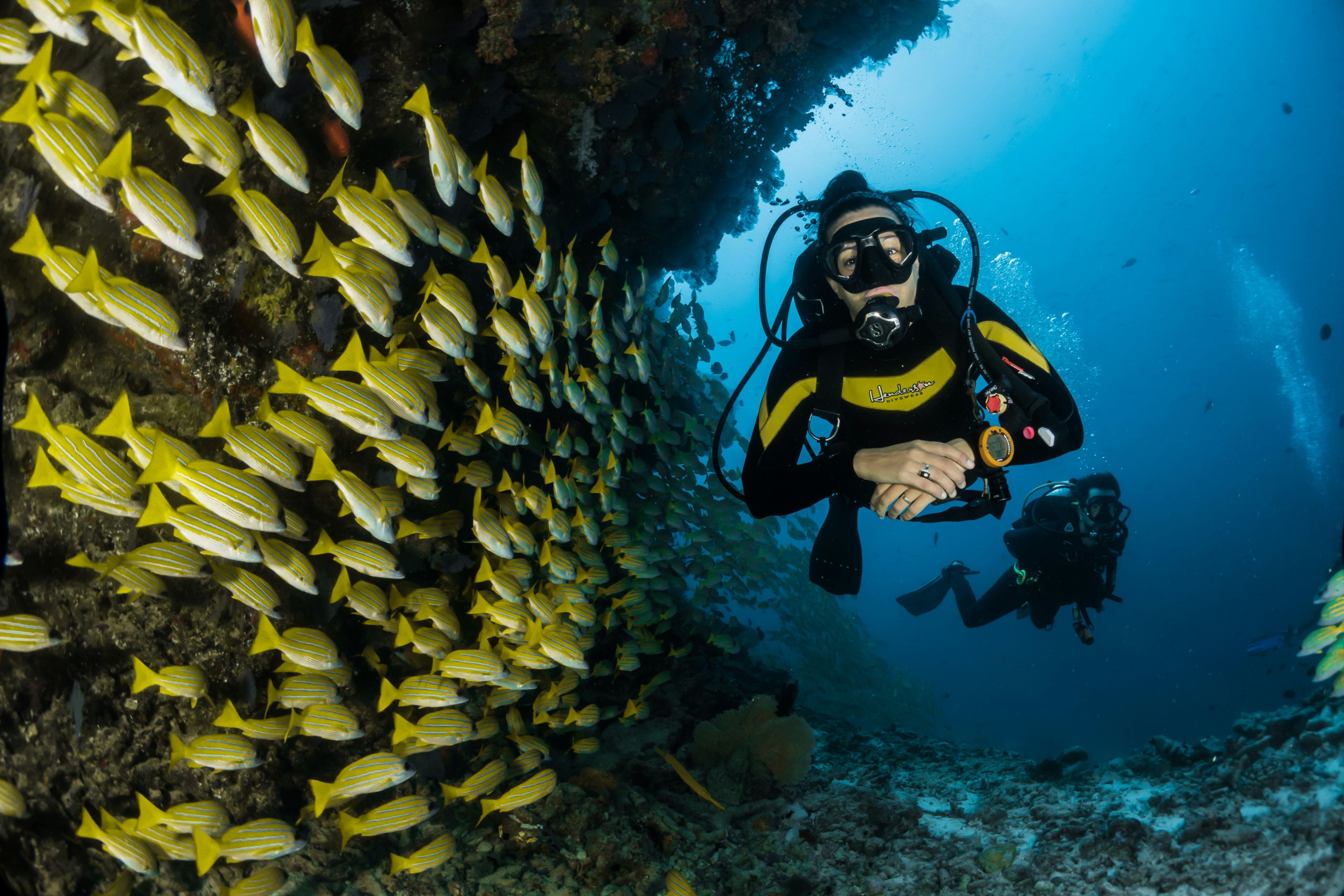
Photo by Sebastian Pena Lambarri on Unsplash
Photo by Sebastian Pena Lambarri on Unsplash
Get Trained to Dive
Amateur divers are an essential part of preservation and data collection.
References (In Order of Appearance)
Gonzales, K. (2021, April 29). California’s ocean habitats: kelp forests. California Department of Fish and Wildlife. https://cdfwmarine.wordpress.com/2021/04/29/californias-ocean-habitats-kelp-forests/
Williams, P. J., Hooten, M. B., Esslinger, G. G., Womble, J. N. , Bodkin, J. L., & M. R. Bower, M. R. (2021, October 26). Predator Recolonization. National Park Service. https://www.nps.gov/articles/deglaciationpredators.htm#:~:text=Sea%20otters%20are%20apex%20predators,were%20extirpated%20from%20southeast%20Alaska.
US Fish and Wildlife Service. (n. d.). Historical and Current Sea Otter Distribution. US Department of the Interior. https://www.fws.gov/sites/default/files/documents/Sea%20Otter%20History%20and%20Distribution%2007282021.pdf
McAllister, T. (2022, April 15). Sea otter. Oregon Encyclopedia. https://www.oregonencyclopedia.org/articles/sea_otter/
Sea Otter Savvy. (2024). Laws & protections. https://www.seaottersavvy.org/laws-protections
Hatfield, B. B., Yee, J. L., Kenner, M. C., & Tomoleoni, J. A. (2019). California sea otter (enhydra lutris nereis) census results, spring 2019. US Geological Survey. https://doi.org/10.3133/ds1118
Tinker, M. T., Yee, J. L. (2024). Annual California Sea Otter Census (2.184.0-551-g9ed0eac-0) [Data set]. USGS Western Ecological Research Center. https://www.sciencebase.gov/catalog/item/5601b6dae4b03bc34f5445ec
Galloway A. W. E., Gravem, S. A., Kobelt, J. N., Heady, W. N., Okamoto, D. K., Sivitilli, D. M., Saccomanno, V. R., Hodin, J., & Whippo, R. (2023). Sunflower sea star predation on urchins can facilitate kelp forest recovery. Proceedings of the Royal Society B: Biological Sciences, 290(1993). https://doi.org/10.1098/rspb.2022.1897
Harvell, C. D., Montecino-Latorre, D., Caldwell, J. M., Burt, J. M., Bosley, K., Keller, A., Heron, S. F., Salomon, A. K., Lee, L., Pontier, L., Pattengill-Semmens, C., & Gaydos, J. K. (2019). Disease epidemic and a marine heat wave are associated with the continental-scale collapse of a pivotal predator (pycnopodia helianthoides). Science Advances 5,eaau7042. https://doi.org/10.1126/sciadv.aau7042
Gravem, S. A., Heady, W. N., Saccomanno, V. R., Alvstad, K. F., Gehman, A. L. M., Frierson, T. N. & Hamilton, S.L. (2021). Pycnopodia helianthoides (amended version of 2020 assessment). The IUCN Red List of Threatened Species 2021: e.T178290276A197818455. https://dx.doi.org/10.2305/IUCN.UK.2021-1.RLTS.T178290276A197818455.en.
Smith, J. G., Tomoleoni, J., Staedler, M., & Tinker, M. T. (2020). Behavioral responses across a mosaic of ecosystem states restructure a sea otter–urchin trophic cascade. PNAS, 118(11), Article e2012493118. https://doi.org/10.1073/pnas.2012493118
Georgia Aquarium. (n. d.). Southern sea otter. Georgia Aquarium. https://www.georgiaaquarium.org/animal/southern-sea-otter/
Rogers-Bennett, L. & Catton, C. A. (2019). Marine heat wave and multiple stressors tip bull kelp forest to sea urchin barrens. Scientific Reports, 9, Article 15050. https://doi.org/10.1038/s41598-019-51114-y
Bell, T., Cavanaugh, K. & Siegel, D. (2024). SBC LTER: Time series of quarterly NetCDF files of kelp biomass in the canopy from Landsat 5, 7 and 8, since 1984 (ongoing) ver 23. Environmental Data Initiative. https://doi.org/10.6073/pasta/2c1218b7ebe6967da52000adf02f6a8b
 Built with Shorthand